The Drum · Weekly AI news, freeSubscribe →

Share
As healthcare evolves, outdated support systems struggle to meet modern patient demands for seamless, retail-quality experiences, driving the need for innovative Direct-to-Patient models to bridge the gap.
Legacy patient support systems are no longer adequate for the evolving healthcare landscape. Fragmented manual processes have led to data silos, delays, and lower adherence rates, ultimately decreasing both patient and prescriber satisfaction and failing to capture a meaningful return on investment (ROI) for manufacturers. The industry urgently needs a transformation in patient access, and Direct-to-Patient (DTP) models offer a promising solution.
Patient expectations have evolved significantly over the past two decades. Today, patients demand a simple, retail-grade experience that offers fast access, transparent pricing, and tailored support. However, legacy systems were designed to navigate complex access hurdles rather than deliver an enhanced user experience. This mismatch is particularly problematic for lower-income and medically complex patients, who often face significant barriers to treatment.
The use of formulary controls such as prior authorization (PA) and step therapy has exacerbated these issues. According to IQVIA, up to 90% of commercially insured patients are initially rejected when trying to begin therapy, and up to 70% still lack payer approval after a year. These delays not only hinder treatment but also raise concerns about equitable access to care.
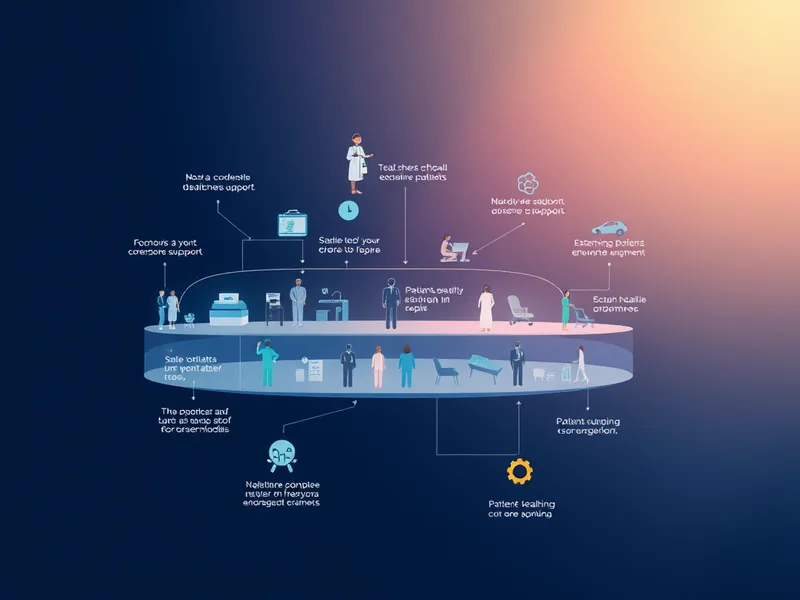
DTP models create a continuous loop of value by integrating seamless patient and provider experiences with strategic branding and data analytics. This approach not only improves adherence and loyalty but also generates valuable insights that brands can use to refine their strategies continuously.
Consider the example of a specialty drug manufacturer that implemented a DTP model. By integrating patient support services with digital platforms, they were able to:
The healthcare industry stands at a critical juncture. Legacy systems are failing to meet the evolving needs of patients and providers, leading to suboptimal outcomes and missed opportunities for growth. DTP models offer a viable solution by creating a frictionless, data-driven patient experience that enhances adherence, captures valuable insights, and fosters brand loyalty. As the cost of drug development continues to rise, particularly for specialty drugs, the ability to deliver value through innovative patient support will be crucial for long-term success.
Tags
Original Sources
About the author
Marcus began tracking AI's market implications in 2016, noticing AI-related patent filings accelerating ahead of earnings upgrades before most of the sell-side had caught on. A former fixed-income quantitative analyst, he spent two decades building models that priced risk across emerging markets before pivoting to cover the economic impact of AI full-time. His writing translates opaque technical developments into clear risk/reward terms — and he's rarely diplomatic about the gap between AI valuations and underlying fundamentals. He believes most market participants still underestimate AI's long-run deflationary effect on knowledge work.
More from The Analyst →This Week's Edition
30 April 2026
29 articles
Related Articles

Rosarium Health Partners With Anthem Medi-Cal to Fund Home Modifications for Older Californians
Products & Applications · 5 min

Meta's new open-weight model runs on Macs, if you have 1TB of RAM to spare
Products & Applications · 5 min

Persona AI Bets on Calm Execution in a Noisy Humanoid Robotics Market
Products & Applications · 5 min
Related Articles
Rosarium Health Partners With Anthem Medi-Cal to Fund Home Modifications for Older Californians
Products & Applications · 5 min
Meta's new open-weight model runs on Macs, if you have 1TB of RAM to spare
Products & Applications · 5 min
Persona AI Bets on Calm Execution in a Noisy Humanoid Robotics Market
Products & Applications · 5 min
More Stories
© 2026 Cedar & Bloom. All rights reserved.
