The Drum · Weekly AI news, freeSubscribe →

Share
As Substack's popularity soars, AI-generated content and scams are creeping in, challenging the platform’s integrity and undermining the value of genuine human writing.
In the digital age, platforms like Substack have transformed the way writers connect with their audiences. For many, it’s a lifeline-a direct channel to share stories, insights, and ideas without the filter of traditional media. However, as these platforms grow in popularity, they also attract those who seek to exploit them for personal gain. One such issue is the use of artificial intelligence (AI) to generate content, raising questions about authenticity and the value of human authorship.
Will Storr, a Sunday Times bestselling author known for his work on storytelling and psychology, has been a keen observer of these trends. In a recent essay, he delves into the darker side of Substack, where some writers are using AI tools to create content that garners likes and subscriptions without offering genuine value. This practice not only undermines the integrity of the platform but also raises ethical concerns about what it means to be an author in the digital age.
The use of AI in writing is not new, but its application has become more sophisticated. AI tools can now generate articles, blog posts, and even entire books with minimal human input. For some, this technology offers a way to produce content quickly and efficiently. However, when used to deceive readers, it becomes problematic.
Storr highlights several instances where AI-generated content has been passed off as original work on Substack. These pieces often follow a formulaic structure, using buzzwords and emotional triggers to capture attention. While they may generate likes and shares, they lack the depth and authenticity that comes from human creativity and personal experience.
The implications of this trend are far-reaching. For readers, it means being exposed to content that is shallow and potentially misleading. For genuine writers, it can be demoralizing to see their hard work overshadowed by machine-generated content. Storr argues that this not only devalues the craft of writing but also erodes trust in online platforms.
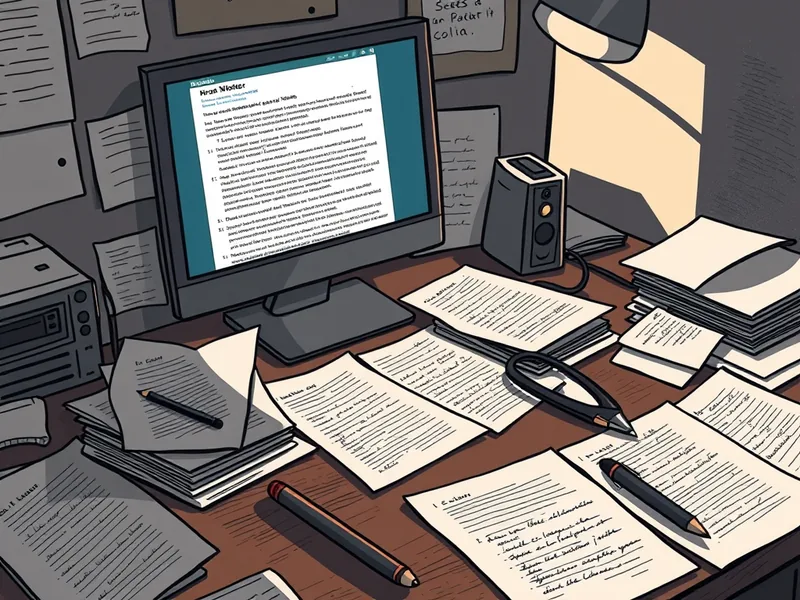
Substack’s subscription model relies on readers trusting that the content they pay for is worth the investment. When AI-generated content floods the platform, it can dilute the value of paid subscriptions. This could have long-term consequences for writers who depend on these subscriptions to support their work.
Storr points out that while some writers are using AI to supplement their output, others are entirely relying on it. This not only undermines the quality of content but also creates an uneven playing field where genuine writers struggle to compete.
To address this issue, Storr calls for greater transparency from both platform providers and content creators. Substack could implement measures to detect and flag AI-generated content, ensuring that readers are aware of what they are reading. Writers, on the other hand, should be upfront about their use of AI tools, allowing readers to make informed decisions.
For readers, it’s important to be critical consumers of online content. Taking the time to verify sources and support writers who produce original, high-quality work can help maintain the integrity of platforms like Substack. For writers, embracing transparency and authenticity is key to building a loyal audience that values their contributions.
The future of online writing depends on the choices we make today. By promoting ethical practices and valuing human creativity, we can ensure that platforms like Substack continue to be a force for good in the digital landscape.
Tags
Original Sources
↗ https://willstorr.substack.com/p/scamming-substack?utm_source=tldrai
About the author
Amara's entry point into AI was an epidemiology role at a London research hospital, where she spent five years studying how digital health tools reached — or conspicuously failed to reach — underserved communities. Watching early algorithmic systems in healthcare quietly entrench existing inequalities, she redirected her career toward the systemic consequences of AI at scale. She covers AI through an unflinching lens: who benefits, who bears the cost, and what evidence actually says versus what the press release claims. Her writing is calm and precise, but she doesn't mistake balance for neutrality.
More from The Steward →This Week's Edition
30 July 2025
29 articles
Related Articles

Ottawa Expands AI Funding for Northern Ontario Businesses, Aims to Close the Regional Tech Gap
Job Market & Society · 6 min

AI Is Lowering the Cost of Starting a Business. It's Not Lowering the Cost of Running One.
Job Market & Society · 6 min

Iambic Therapeutics Raises $150 Million in IPO to Fund AI-Designed Cancer Drugs
Finance & Markets · 5 min
Related Articles
Ottawa Expands AI Funding for Northern Ontario Businesses, Aims to Close the Regional Tech Gap
Job Market & Society · 6 min
AI Is Lowering the Cost of Starting a Business. It's Not Lowering the Cost of Running One.
Job Market & Society · 6 min
Iambic Therapeutics Raises $150 Million in IPO to Fund AI-Designed Cancer Drugs
Finance & Markets · 5 min
More Stories
© 2026 Cedar & Bloom. All rights reserved.
