The Drum · Weekly AI news, freeSubscribe →

Share
As generative AI tools like WoeBot enter the mental health space, they bring both unprecedented opportunities and significant ethical concerns.
In a world where one in four people will experience a mental health issue at some point in their lives, the demand for accessible and effective therapy is more pressing than ever. Enter WoeBot, an AI-powered chatbot designed to offer cognitive behavioral therapy (CBT) techniques to users struggling with anxiety and depression. While this technology holds the promise of making mental health support more widely available, it also raises critical questions about patient safety, data privacy, and the ethics of AI in healthcare.
WoeBot is just one example of a growing trend where generative AI is being applied to mental health care. These tools can provide 24/7 support, which is particularly valuable for individuals who may not have access to traditional therapy due to cost, location, or stigma. However, the integration of AI into such sensitive areas also comes with significant risks and challenges that need to be carefully addressed.
One of the primary benefits of AI in mental health care is its ability to offer immediate support. Traditional therapy often involves waiting weeks or even months for an appointment, which can be detrimental for individuals experiencing acute symptoms. WoeBot and similar chatbots can provide instant access to evidence-based techniques like CBT, helping users manage their symptoms more effectively in the moment.
AI tools can help bridge the gap in mental health care for underserved populations. In rural areas or low-income communities, access to trained therapists is often limited. AI-powered platforms can reach these individuals where traditional services fall short, potentially improving outcomes and reducing the overall burden on healthcare systems.
However, the use of AI in mental health also raises significant ethical concerns. One of the most pressing issues is data privacy. Mental health information is among the most sensitive types of personal data, and there are stringent regulations around its handling. If an AI tool like WoeBot is compromised, it could lead to severe consequences for users, including blackmail, discrimination, or further trauma.
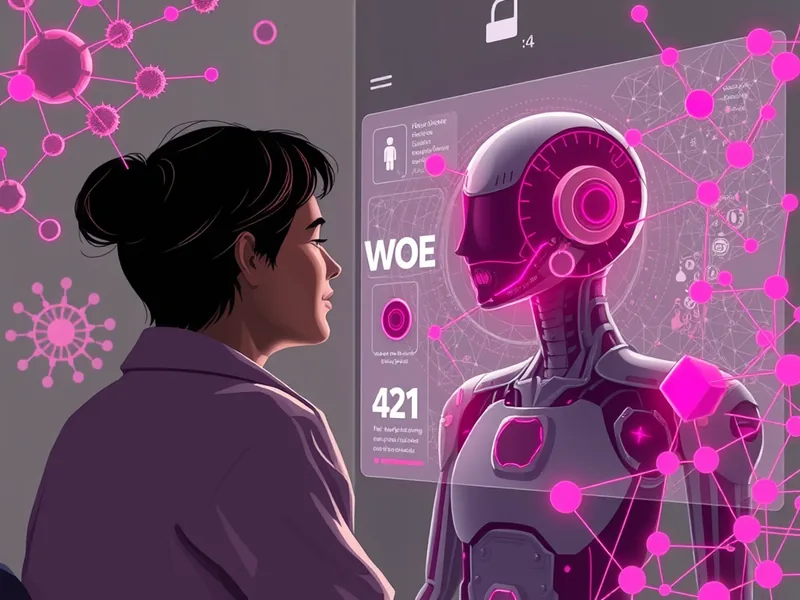
To address these concerns, developers must prioritize transparency and user control. For instance, WoeBot allows users to delete their conversation history at any time, giving them a sense of ownership over their data. AI tools should be designed with robust security measures to protect against breaches and unauthorized access.
Another ethical issue is the potential for misdiagnosis or ineffective treatment. While AI can provide valuable support, it cannot replace the nuanced understanding and empathy that human therapists bring to the table. There is a risk that users may rely too heavily on these tools, potentially delaying necessary in-person care. Therefore, it is crucial that AI platforms are used as adjuncts to traditional therapy rather than replacements.
The accuracy of AI-generated responses is also a significant concern. In mental health care, context and nuance are essential. A misinterpreted response or a lack of understanding of cultural or individual differences could lead to ineffective or even harmful advice. Developers must continuously refine their algorithms to ensure they can handle the complexity of human emotions and experiences.
The integration of AI into mental health care represents a double-edged sword. On one hand, it has the potential to revolutionize access to support and improve outcomes for millions of people. On the other hand, it introduces new risks that could undermine trust in these technologies and harm vulnerable individuals.
As we move forward, it is essential to strike a balance between innovation and responsibility. Policymakers, healthcare providers, and AI developers must work together to establish clear guidelines and regulations that protect patient rights while fostering the development of safe and effective AI tools. Only by addressing these challenges head-on can we ensure that AI truly becomes a force for good in mental health care.
Tags
Original Sources
Do We Dare Use Generative AI for Mental Health?
↗ https://spectrum.ieee.org/woebot/particle-4
About the author
Amara's entry point into AI was an epidemiology role at a London research hospital, where she spent five years studying how digital health tools reached — or conspicuously failed to reach — underserved communities. Watching early algorithmic systems in healthcare quietly entrench existing inequalities, she redirected her career toward the systemic consequences of AI at scale. She covers AI through an unflinching lens: who benefits, who bears the cost, and what evidence actually says versus what the press release claims. Her writing is calm and precise, but she doesn't mistake balance for neutrality.
More from The Steward →This Week's Edition
29 June 2026
29 articles
Related Articles

Epic's Mortality Model and the Widening Ambitions of Health Tech's Product Roadmaps
Health & Science · 5 min

HHS Moves to Cut Animal Testing From Drug Development, Backing Human-Based Science
Health & Science · 5 min

Amgen's Dazodalibep Clears Key Sjögren's Hurdle, Setting Up Race With Novartis
Health & Science · 5 min
Related Articles
Epic's Mortality Model and the Widening Ambitions of Health Tech's Product Roadmaps
Health & Science · 5 min
HHS Moves to Cut Animal Testing From Drug Development, Backing Human-Based Science
Health & Science · 5 min
Amgen's Dazodalibep Clears Key Sjögren's Hurdle, Setting Up Race With Novartis
Health & Science · 5 min
More Stories
© 2026 Cedar & Bloom. All rights reserved.
