The Drum · Weekly AI news, freeSubscribe →

Share
As public enthusiasm for AI and automation cools, concerns over job displacement and privacy erode initial optimism, prompting a critical examination of technology's pervasive influence on society.
The rapid advancement of artificial intelligence (AI) and automation is reshaping our world, but the public's enthusiasm for these technologies seems to be waning. Despite the tech industry's excitement, many people are growing increasingly wary of how these changes will impact their lives and communities.
This shift in public sentiment can be understood through a concept I've been thinking about called "software brain." It’s a way of seeing the world that fits everything into algorithms, databases, and loops-essentially, software. This perspective has been instrumental in creating our modern digital landscape. Marc Andreessen, a prominent figure in the tech industry, famously articulated this idea in 2011 with his op-ed "Why Software Is Eating the World" in The Wall Street Journal. He argued that software was transforming every industry and sector.
However, recent developments in AI have accelerated this trend to an unprecedented degree. While tech leaders are enthusiastic about the potential of AI to revolutionize industries, many regular people are becoming more skeptical. This skepticism is rooted in concerns about job displacement, privacy, and the broader societal implications of these technologies.
The tech industry's excitement about AI is palpable. Companies like Google, Microsoft, and Amazon are pouring billions into research and development, touting the benefits of increased efficiency, personalized services, and innovative solutions to complex problems. However, this enthusiasm doesn't always translate to public support.
A growing number of people are concerned about the potential downsides of widespread AI adoption. For instance, automation could lead to significant job losses in sectors like manufacturing, retail, and transportation. According to a report by the World Economic Forum, while AI has the potential to create 12 million jobs globally by 2025, it could also displace 85 million jobs over the same period.
Public opinion reflects these concerns. A survey conducted by Pew Research Center found that 76% of Americans believe automation will lead to significant job losses in their communities. This sentiment is not limited to low-skilled jobs; even white-collar professions like law, medicine, and finance are at risk as AI systems become more sophisticated.
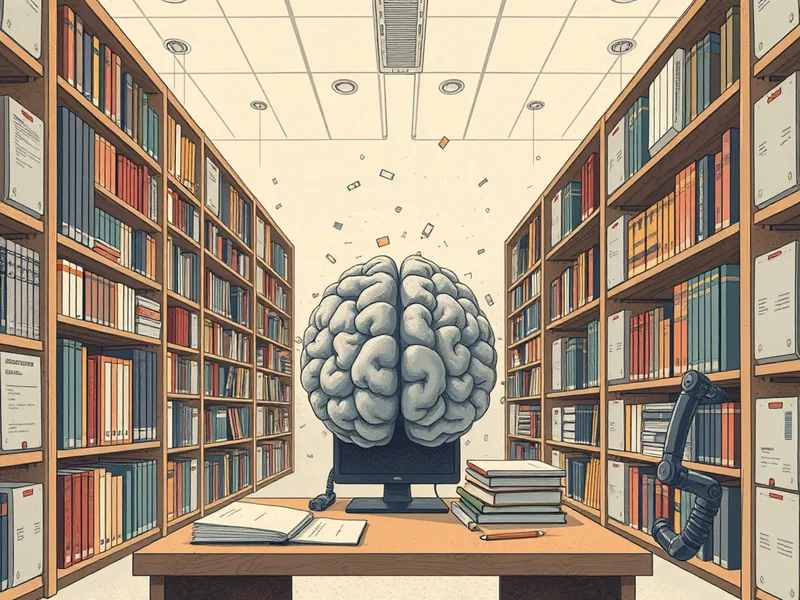
Moreover, there are broader societal concerns. People are worried about the ethical implications of decision-making algorithms, data privacy, and the concentration of power in tech companies. These issues have led to a growing backlash against AI, with movements and advocacy groups calling for stricter regulations and transparency.
While it's important to acknowledge these risks, it’s equally crucial to consider the potential benefits of AI. For example, AI can improve healthcare outcomes by enabling more accurate diagnoses and personalized treatment plans. It can also enhance environmental sustainability by optimizing energy use and reducing waste.
The key is to strike a balance between innovation and responsible implementation. This involves:
As we navigate this technological shift, it’s essential to listen to the public's concerns and work towards solutions that benefit everyone. The tech industry has a responsibility to communicate the potential of AI clearly and transparently while addressing legitimate fears. By doing so, we can foster a more inclusive and equitable future where technology serves as a tool for progress rather than a source of division.
Tags
Original Sources
About the author
Amara's entry point into AI was an epidemiology role at a London research hospital, where she spent five years studying how digital health tools reached — or conspicuously failed to reach — underserved communities. Watching early algorithmic systems in healthcare quietly entrench existing inequalities, she redirected her career toward the systemic consequences of AI at scale. She covers AI through an unflinching lens: who benefits, who bears the cost, and what evidence actually says versus what the press release claims. Her writing is calm and precise, but she doesn't mistake balance for neutrality.
More from The Steward →This Week's Edition
25 April 2026
29 articles
Related Articles

Ottawa Expands AI Funding for Northern Ontario Businesses, Aims to Close the Regional Tech Gap
Job Market & Society · 6 min

AI Is Lowering the Cost of Starting a Business. It's Not Lowering the Cost of Running One.
Job Market & Society · 6 min

Iambic Therapeutics Raises $150 Million in IPO to Fund AI-Designed Cancer Drugs
Finance & Markets · 5 min
Related Articles
Ottawa Expands AI Funding for Northern Ontario Businesses, Aims to Close the Regional Tech Gap
Job Market & Society · 6 min
AI Is Lowering the Cost of Starting a Business. It's Not Lowering the Cost of Running One.
Job Market & Society · 6 min
Iambic Therapeutics Raises $150 Million in IPO to Fund AI-Designed Cancer Drugs
Finance & Markets · 5 min
More Stories
© 2026 Cedar & Bloom. All rights reserved.
