The Drum · Weekly AI news, freeSubscribe →
Share
President Donald Trump's timely investment in SpaceX, just two weeks after its blockbuster IPO, raises questions about market dynamics and insider influence.
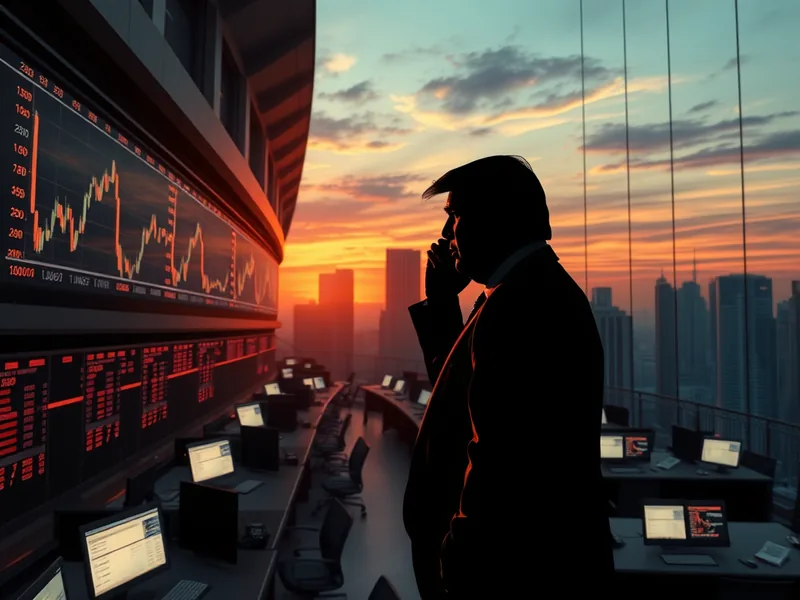
President Donald Trump has purchased up to $50,000 worth of SpaceX shares on June 23, according to a financial disclosure filed with the Office of Government Ethics. The acquisition comes just two weeks after SpaceX's highly anticipated initial public offering (IPO), which priced at $135 per share. As of Monday, SpaceX's stock had returned to its IPO price, trading at $135.
The timing of Trump's investment is noteworthy, as it coincides with a period of market volatility and investor scrutiny over the space industry. SpaceX, founded by Elon Musk in 2002, has become a leading player in aerospace manufacturing and satellite services. The company's IPO was one of the most highly anticipated events of the year, drawing significant attention from both retail and institutional investors.
The decision to invest in SpaceX at this juncture reflects Trump's strategic approach to market opportunities. When he made the purchase, SpaceX shares were trading in the mid-$150 range, suggesting a potential for short-term gains or long-term growth. However, the stock's return to its IPO price indicates that market sentiment may be more cautious than initially anticipated.
The space industry has been subject to intense scrutiny due to its high capital requirements and long development cycles. SpaceX, in particular, has faced challenges with regulatory approvals and technical hurdles, such as the recent delays in the Starship rocket program. Despite these obstacles, the company's innovative approach and successful missions have solidified its position as a key player in the commercial space sector.
Investor sentiment is also influenced by broader economic trends and geopolitical factors. The ongoing trade tensions between the U.S. And China, for example, could impact SpaceX's ability to secure international contracts and partnerships. The regulatory environment for space exploration and satellite operations remains complex and evolving, with potential implications for SpaceX's future growth.
For investors, Trump's purchase of SpaceX shares may serve as a signal of confidence in the company's long-term prospects. However, it is important to consider the broader market dynamics and the specific risks associated with investing in the space industry. SpaceX's stock performance will likely be influenced by its ability to execute on key projects, secure government contracts, and maintain a competitive edge in a rapidly evolving market.
The financial disclosure also highlights the potential for insider influence in the market. While there is no evidence of impropriety, the timing of Trump's investment raises questions about access to non-public information and the impact of high-profile investors on stock prices. Investors should remain vigilant and conduct thorough due diligence before making any investment decisions.
President Trump's acquisition of SpaceX shares two weeks after its IPO underscores the company's significance in the space industry. While the timing may suggest a strategic opportunity, investors must carefully weigh the risks and rewards associated with this high-growth sector. The market's response to SpaceX's stock performance will be closely watched, as it could provide insights into the broader trends shaping the future of aerospace and satellite services.
Tags
Original Sources
Trump bought SpaceX shares two weeks after blockbuster IPO | TechCrunch
↗ https://techcrunch.com/2026/08/24/trump-bought-spacex-shares-two-weeks-after-blockbuster-ipo
About the author
Marcus began tracking AI's market implications in 2016, noticing AI-related patent filings accelerating ahead of earnings upgrades before most of the sell-side had caught on. A former fixed-income quantitative analyst, he spent two decades building models that priced risk across emerging markets before pivoting to cover the economic impact of AI full-time. His writing translates opaque technical developments into clear risk/reward terms — and he's rarely diplomatic about the gap between AI valuations and underlying fundamentals. He believes most market participants still underestimate AI's long-run deflationary effect on knowledge work.
More from The Analyst →This Week's Edition
31 August 2026
17 articles
Related Articles
Related Articles
More Stories
© 2026 Cedar & Bloom. All rights reserved.