The Drum · Weekly AI news, freeSubscribe →

Share
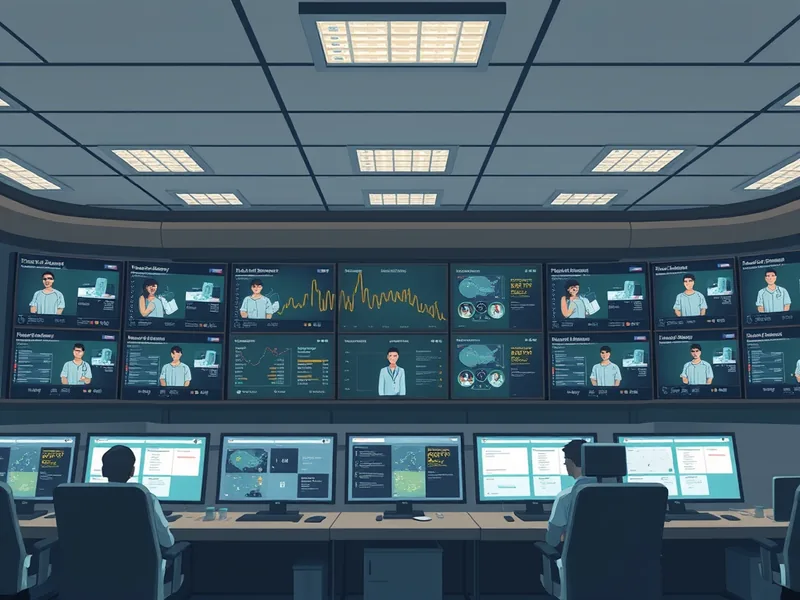
UnityAI’s new agentic AI platform uses real-time data to optimize healthcare staffing, ensuring hospitals are neither overburdened nor understaffed, ultimately enhancing patient care and operational efficiency.
UnityAI, a leading technology firm, has developed an agentic workforce platform tailored for high-risk, high-complexity care environments. This innovative solution aims to streamline day-to-day staff scheduling and match it in real-time with patient demand, addressing critical challenges in healthcare labor management.
Healthcare providers face constant pressure to balance staffing levels with fluctuating patient volumes. Overstaffing can lead to unnecessary expenses, while understaffing can compromise patient care quality and staff morale. UnityAI's platform leverages advanced AI algorithms to predict and manage these dynamics more effectively, potentially reducing operational costs and improving patient outcomes.
While the potential benefits of UnityAI's platform are significant, several risks must be considered:
The healthcare industry is ripe for technological innovation, particularly in areas that can improve operational efficiency. According to a report by Grand View Research, the global AI in healthcare market is expected to reach $130 billion by 2027, growing at a compound annual growth rate (CAGR) of 40% from 2020 to 2027. UnityAI's agentic AI platform is well-positioned to capture a share of this rapidly expanding market.
UnityAI's agentic AI platform represents a significant step forward in addressing the complex challenges of healthcare staffing. By leveraging advanced AI and predictive analytics, the platform has the potential to enhance operational efficiency, improve patient care, and drive cost savings for healthcare organizations. However, successful implementation will require careful consideration of data privacy, staff engagement, and integration with existing systems.
Tags
Original Sources
↗ https://www.fiercehealthcare.com/keyword/unityai
About the author
Marcus began tracking AI's market implications in 2016, noticing AI-related patent filings accelerating ahead of earnings upgrades before most of the sell-side had caught on. A former fixed-income quantitative analyst, he spent two decades building models that priced risk across emerging markets before pivoting to cover the economic impact of AI full-time. His writing translates opaque technical developments into clear risk/reward terms — and he's rarely diplomatic about the gap between AI valuations and underlying fundamentals. He believes most market participants still underestimate AI's long-run deflationary effect on knowledge work.
More from The Analyst →This Week's Edition
30 April 2026
24 articles
Related Articles

xAI Launches Grok Bot, an Autonomous Agent That Logs Into Your Tools and Does the Work
Products & Applications · 5 min

Robotics Experts Pour Cold Water on Tesla's Optimus Debut
Products & Applications · 5 min

Replit Swaps Anthropic for OpenAI as Default Model, Muddying a Lucrative Partnership
Products & Applications · 5 min
Related Articles
xAI Launches Grok Bot, an Autonomous Agent That Logs Into Your Tools and Does the Work
Products & Applications · 5 min
Robotics Experts Pour Cold Water on Tesla's Optimus Debut
Products & Applications · 5 min
Replit Swaps Anthropic for OpenAI as Default Model, Muddying a Lucrative Partnership
Products & Applications · 5 min
More Stories
© 2026 Cedar & Bloom. All rights reserved.
