The Drum · Weekly AI news, freeSubscribe →
Share
Universal Music and Meta deepen their partnership, integrating AI tools to boost artist revenue and safeguard original content across multiple platforms including WhatsApp for the first time.
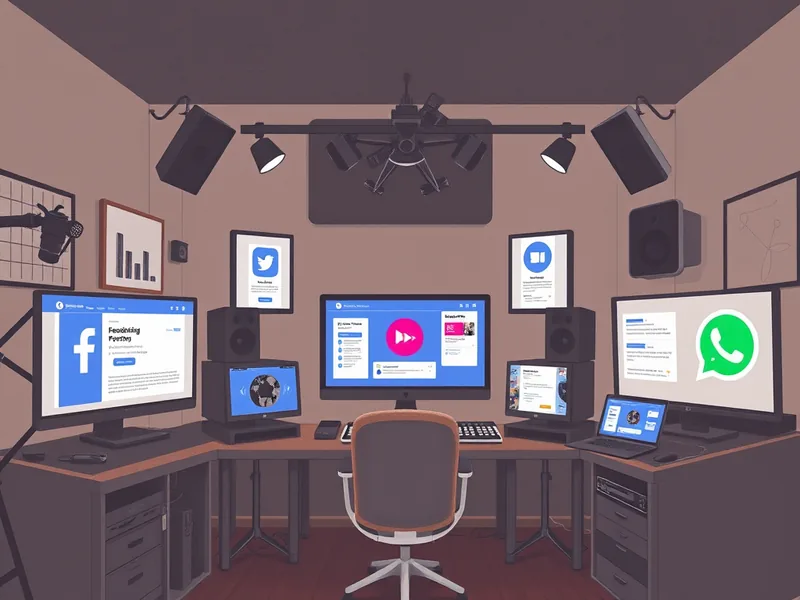
Universal Music Group (UMG) and Meta have announced an expanded global, multi-year agreement that aims to enhance creative and commercial opportunities for UMG artists and Universal Music Publishing Group (UMPG) songwriters across Meta’s platforms. This includes Facebook, Instagram, Messenger, Horizon, Threads, and, notably, WhatsApp for the first time.
The deal underscores a significant shift in how major music labels and tech giants are collaborating to address the evolving landscape of content creation and monetization. The agreement is designed to protect human creators and ensure fair compensation for artists and songwriters, particularly in the context of AI-generated content. This is crucial as AI continues to transform the music industry, raising concerns about copyright infringement and the devaluation of human creativity.
While the specific financial terms were not disclosed, the agreement emphasizes several key points:
Despite the positive aspects of this agreement, several risks remain:
The agreement presents several opportunities for both UMG and Meta:
This partnership between UMG and Meta sets a precedent for how major music labels can work with tech companies to navigate the challenges of AI in content creation. It also highlights the growing importance of monetization strategies that are aligned with both technological advancements and the need to protect human creators.
Tamara Hrivnak, VP Music and Content Business Development at Meta, commented on the renewal: “We are thrilled to announce our renewal with Universal Music Group and Universal Music Publishing Group, both of whom are innovators for music on social media, especially with regard to Meta’s family of apps. This partnership builds on the recognition of the value that music brings to our platforms and the importance of fair compensation for creators.”
Tags
Original Sources
About the author
Marcus began tracking AI's market implications in 2016, noticing AI-related patent filings accelerating ahead of earnings upgrades before most of the sell-side had caught on. A former fixed-income quantitative analyst, he spent two decades building models that priced risk across emerging markets before pivoting to cover the economic impact of AI full-time. His writing translates opaque technical developments into clear risk/reward terms — and he's rarely diplomatic about the gap between AI valuations and underlying fundamentals. He believes most market participants still underestimate AI's long-run deflationary effect on knowledge work.
More from The Analyst →This Week's Edition
15 August 2024
29 articles
Related Articles
Related Articles
More Stories
© 2026 Cedar & Bloom. All rights reserved.