The Drum · Weekly AI news, freeSubscribe →

Share
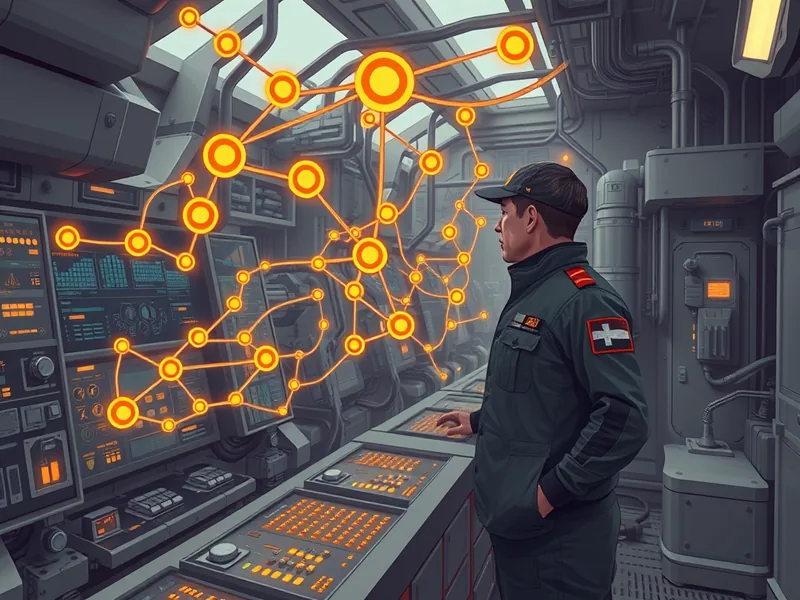
As the US Army rolls out its AI Officer Program, it emboldens a new generation of tech-savvy leaders to navigate complex battle systems, blending human intuition with machine precision on future battlegrounds.
The integration of artificial intelligence (AI) into the military is no longer a futuristic concept but a growing reality. The US Army, recognizing the strategic importance of AI in modern warfare, has announced a new initiative aimed at training and reclassifying officers to specialize in AI and machine learning (ML). This move underscores the Army's commitment to staying ahead in an increasingly technology-driven battlefield.
The introduction of AI into military operations promises significant advancements in efficiency, accuracy, and decision-making. However, it also raises important ethical and operational questions. The new AI officer program is designed to ensure that these technologies are managed by well-trained professionals who can navigate the complex landscape of AI integration while maintaining the Army's core values.
Starting in January 2026, the US Army will begin accepting candidates for its new AI/ML officer area of concentration through the Volunteer Transfer Incentive Program (VTIP). This program is designed to reclassify existing officers who show a strong aptitude and interest in AI technologies. While the exact number of AI officers the Army plans to train remains unspecified, the goal is to have all selected candidates formally reclassified by the end of the 2026 fiscal year.
The training for AI/ML officers will be at the graduate level, providing hands-on experience in building, deploying, and maintaining cutting-edge AI-enabled systems. These officers will play a crucial role in ensuring that AI technologies are effectively integrated into various aspects of military operations, from tactical decision-making to logistical support.
The Army has already made significant strides in integrating AI into its operations. Notable projects include:
Young Bang, the US Army's deputy assistant secretary for acquisition, logistics, and technology under the Biden administration, has emphasized the Army's strategy of leveraging third-party AI algorithms rather than developing its own. This approach allows the Army to benefit from the rapid advancements in AI being made by the private sector.
As with any significant technological shift, the integration of AI into military operations comes with ethical considerations. The Army must ensure that these systems are used responsibly and transparently. Training AI officers who understand both the technical and ethical dimensions of their work is crucial to maintaining public trust and upholding the principles of the military.
The launch of the AI officer program signals a broader trend in the military's adoption of advanced technologies. As other branches of the armed forces and nations around the world follow suit, the landscape of modern warfare will continue to evolve. The success of this program could set a precedent for how other organizations approach AI integration, both within and outside the military.
The US Army's initiative to create a specialized corps of AI/ML officers is a significant step towards harnessing the potential of artificial intelligence in military operations. By investing in the training and development of these officers, the Army aims to ensure that it remains at the forefront of technological innovation while maintaining ethical standards and operational excellence.
Tags
Original Sources
About the author
Amara's entry point into AI was an epidemiology role at a London research hospital, where she spent five years studying how digital health tools reached — or conspicuously failed to reach — underserved communities. Watching early algorithmic systems in healthcare quietly entrench existing inequalities, she redirected her career toward the systemic consequences of AI at scale. She covers AI through an unflinching lens: who benefits, who bears the cost, and what evidence actually says versus what the press release claims. Her writing is calm and precise, but she doesn't mistake balance for neutrality.
More from The Steward →This Week's Edition
1 January 2026
29 articles
Related Articles

Ottawa Expands AI Funding for Northern Ontario Businesses, Aims to Close the Regional Tech Gap
Job Market & Society · 6 min

AI Is Lowering the Cost of Starting a Business. It's Not Lowering the Cost of Running One.
Job Market & Society · 6 min

Iambic Therapeutics Raises $150 Million in IPO to Fund AI-Designed Cancer Drugs
Finance & Markets · 5 min
Related Articles
Ottawa Expands AI Funding for Northern Ontario Businesses, Aims to Close the Regional Tech Gap
Job Market & Society · 6 min
AI Is Lowering the Cost of Starting a Business. It's Not Lowering the Cost of Running One.
Job Market & Society · 6 min
Iambic Therapeutics Raises $150 Million in IPO to Fund AI-Designed Cancer Drugs
Finance & Markets · 5 min
More Stories
© 2026 Cedar & Bloom. All rights reserved.
