The Drum · Weekly AI news, freeSubscribe →

Share
As venture capitalists pour billions into artificial intelligence startups, OpenAI’s decision to shutter its advanced AI chatbot, Sora, raises questions about the sustainability of the AI boom.
Venture capital firms are placing massive bets on the next wave of artificial intelligence (AI) technologies. According to recent data, VCs have committed over $10 billion in AI-related investments over the past year alone. This surge in funding reflects a growing belief that AI will be a transformative force across multiple industries. However, this bullish sentiment is being tested by OpenAI's decision to terminate its advanced chatbot project, Sora.
OpenAI, one of the leading AI research organizations, announced the discontinuation of Sora, an AI chatbot designed to engage in natural and meaningful conversations with users. The company cited ethical concerns and the potential for misuse as primary reasons for this move. While OpenAI’s decision is laudable from a responsible AI perspective, it also highlights the challenges and risks inherent in developing cutting-edge AI technologies.
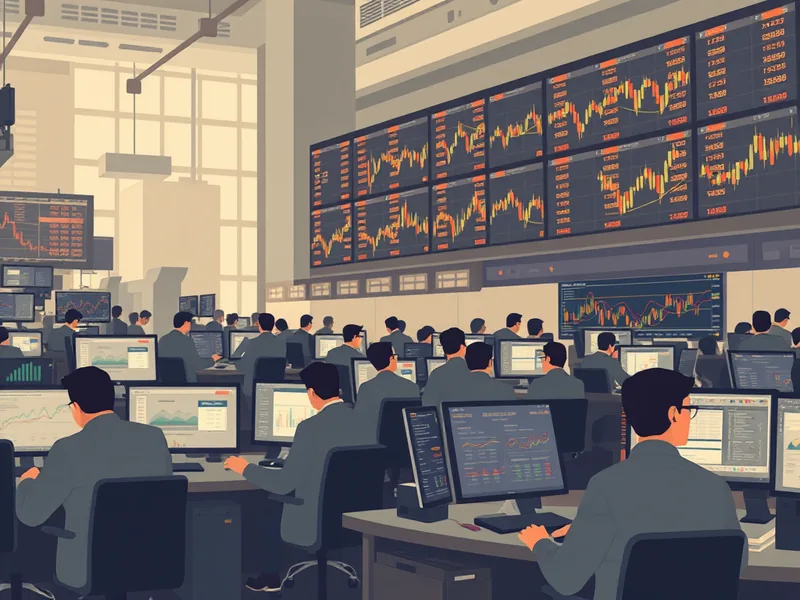
The broader market dynamics surrounding AI investments are complex. Despite the high-profile termination of Sora, investor enthusiasm remains robust. According to Interactive Brokers, distinguishing between genuine earnings potential and speculative hype is crucial for investors navigating this space. A soaring stock price alone does not necessarily indicate sustainable value; it’s essential to analyze underlying financials and technological capabilities.
CNBC reports that AI demand continues to stay strong, even as interest rates and valuations pose challenges to the market. The resilience of AI stocks suggests a belief among investors that these technologies will drive significant long-term growth. However, this optimism is tempered by concerns about regulatory scrutiny and ethical considerations, which can impact both development timelines and commercial viability.
OpenAI’s decision to halt Sora underscores the importance of aligning technological advancements with ethical standards. While the company has not disclosed detailed financial implications, the move could influence investor perceptions and potentially lead to a more cautious approach in funding similar projects. For startups and established players alike, balancing innovation with responsibility is becoming increasingly critical.
For investors, OpenAI’s decision to terminate Sora serves as a reminder of the multifaceted risks associated with AI investments. While the sector offers substantial growth potential, it also presents significant ethical, regulatory, and technological challenges. Investors must conduct thorough due diligence, focusing on companies that demonstrate a commitment to responsible AI development.
The key is to identify firms that not only possess strong technical capabilities but also have robust governance frameworks in place to address ethical concerns. Companies that can navigate these complexities while delivering tangible value are more likely to sustain long-term investor interest and market success.
The AI landscape remains dynamic and promising, with venture capitalists continuing to pour billions into the sector. However, OpenAI’s decision to discontinue Sora highlights the need for a balanced approach that prioritizes ethical considerations alongside technological innovation. Investors who can effectively navigate these challenges will be well-positioned to capitalize on the opportunities presented by the AI revolution.
Tags
Original Sources
VCs are betting billions on AI's next wave, so why is OpenAI killing Sora?
↗ https://techcrunch.com/podcast/vcs-are-betting-billions-on-ais-next-wave-so-why-is-openai-killing-sora
About the author
Marcus began tracking AI's market implications in 2016, noticing AI-related patent filings accelerating ahead of earnings upgrades before most of the sell-side had caught on. A former fixed-income quantitative analyst, he spent two decades building models that priced risk across emerging markets before pivoting to cover the economic impact of AI full-time. His writing translates opaque technical developments into clear risk/reward terms — and he's rarely diplomatic about the gap between AI valuations and underlying fundamentals. He believes most market participants still underestimate AI's long-run deflationary effect on knowledge work.
More from The Analyst →This Week's Edition
29 June 2026
29 articles
Related Articles

Oura Prices IPO at Up to $15.6 Billion Valuation, Betting on AI-Driven Preventive Health
Finance & Markets · 5 min
Digital Health Funding Stays Robust as Capital Concentrates in AI-Native Platforms
Finance & Markets · 5 min

Anthropic's Claude Opus 5.5 Ships as Five Models in One, Tuning Intelligence Against Cost
Models & Research · 5 min
Related Articles
Oura Prices IPO at Up to $15.6 Billion Valuation, Betting on AI-Driven Preventive Health
Finance & Markets · 5 min
Digital Health Funding Stays Robust as Capital Concentrates in AI-Native Platforms
Finance & Markets · 5 min
Anthropic's Claude Opus 5.5 Ships as Five Models in One, Tuning Intelligence Against Cost
Models & Research · 5 min
More Stories
© 2026 Cedar & Bloom. All rights reserved.
