The Drum · Weekly AI news, freeSubscribe →
Share
Despite impressive overall safety stats, an analysis of 45 serious crashes reveals most are caused by human error rather than software failures, raising questions about liability and vehicle design.
Waymo recently released new safety statistics for its fleet of self-driving cars, and the numbers are impressive. After completing 96 million miles of driving through June, Waymo estimates that its vehicles were involved in far fewer crashes compared to human drivers under similar conditions. Specifically, while typical human drivers would have experienced 159 airbag-triggering crashes over 96 million miles, Waymo reported only 34 such incidents-a 79 percent reduction.
But what about the more serious crashes? To get a closer look at the safety of Waymo's vehicles, I analyzed 45 major crashes that occurred in recent months. Here’s what stood out:
One of the most significant crashes occurred on May 31st in Austin, Texas. At 1:14 AM, a Waymo vehicle was driving on South Lamar Boulevard when the front left wheel detached. The car skidded to a stop, scraping against the pavement and causing minor injuries to the passenger. This incident is one of the few that can be clearly attributed to Waymo, but it was due to a mechanical failure rather than a software error.
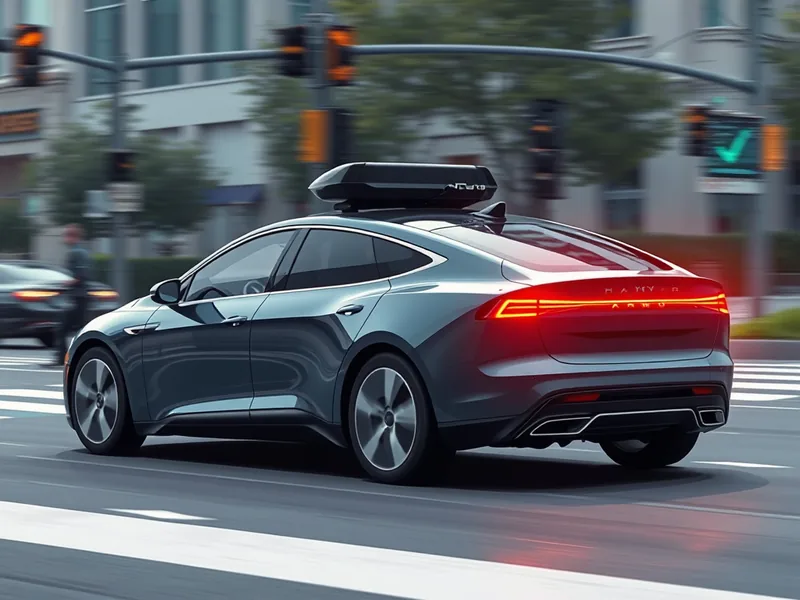
Waymo is required to report every significant crash to the National Highway Traffic Safety Administration (NHTSA). This week, NHTSA published a new batch of crash reports covering incidents through August 15. Here are some key findings from these reports:
While these statistics are encouraging, it’s important to remain critical of any data published by a company about its own products. However, experts have previously noted that Waymo's methodology is credible. The transparency in reporting each crash to NHTSA adds an additional layer of accountability.
Waymo's safety record is impressive, and the data suggests that self-driving technology has the potential to significantly reduce the number of crashes caused by human error. While there are still occasional mechanical issues, they are rare and not indicative of broader systemic failures in Waymo’s technology. As the company continues to refine its systems and expand its fleet, it will be crucial to maintain this level of transparency and safety.
Tags
Original Sources
About the author
Kai built ML infrastructure at a Bay Area startup before developing an obsession with transformer architectures and inference optimisation that eventually pulled him out of product work entirely. A stint at a compute research lab sharpened his instinct for what actually matters in a model release versus what is marketing. He writes from the inside — from the perspective of someone who has debugged the systems he is describing at three in the morning. He is allergic to hype and instinctively drawn to the unglamorous plumbing questions that everyone else skips over.
More from The Engineer →This Week's Edition
19 September 2025
29 articles
Related Articles

Rosarium Health Partners With Anthem Medi-Cal to Fund Home Modifications for Older Californians
Products & Applications · 5 min

Meta's new open-weight model runs on Macs, if you have 1TB of RAM to spare
Products & Applications · 5 min

Persona AI Bets on Calm Execution in a Noisy Humanoid Robotics Market
Products & Applications · 5 min
Related Articles
Rosarium Health Partners With Anthem Medi-Cal to Fund Home Modifications for Older Californians
Products & Applications · 5 min
Meta's new open-weight model runs on Macs, if you have 1TB of RAM to spare
Products & Applications · 5 min
Persona AI Bets on Calm Execution in a Noisy Humanoid Robotics Market
Products & Applications · 5 min
More Stories
© 2026 Cedar & Bloom. All rights reserved.
