The Drum · Weekly AI news, freeSubscribe →

Share
Windsurf's new SWE-1 models aim to revolutionize software development by handling everything from coding to testing and bug fixing, streamlining the entire engineering workflow with AI assistance.
Windsurf, a leading developer of AI-assisted tools for software engineering, has just launched its first family of models, dubbed SWE-1. These models are specifically designed to optimize the entire software development process, not just coding tasks. The SWE-1 family includes three distinct models: SWE-1, SWE-1-lite, and SWE-1-mini.
The core innovation in SWE-1 lies in its ability to handle the full spectrum of software engineering activities, from writing code to testing, debugging, and even understanding user feedback. Here’s a breakdown of each model:
The traditional approach of building models focused solely on coding has limitations. Software development involves a wide range of tasks beyond writing code, such as working in the terminal, accessing external knowledge, testing products, and interpreting user feedback. SWE-1 is designed to address these broader needs by:
In recent years, AI models capable of coding have made significant strides, moving from simple autocomplete suggestions to building complete applications in a single shot. However, these advancements have also highlighted several limitations:
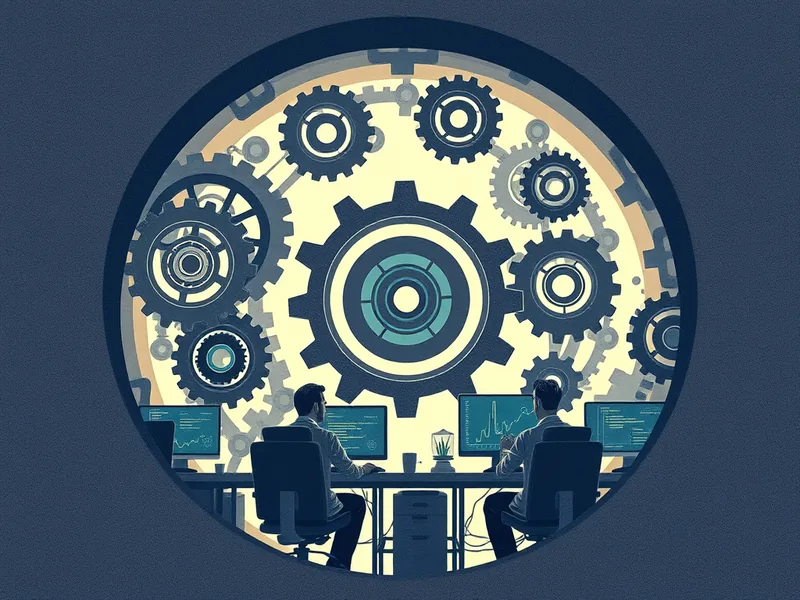
The development of SWE-1 was driven by insights from the heavily-used Windsurf Editor. Key technical details include:
Initial benchmarks show that SWE-1 outperforms existing models in several key areas:
Windsurf’s SWE-1 models represent a significant step forward in AI-assisted software development. By addressing the full range of engineering tasks and long-term project needs, these models aim to accelerate the entire software development process by 99%. Whether you're a solo developer or part of a large team, SWE-1 is designed to enhance your productivity and help you build better, more sustainable software.
Tags
Original Sources
About the author
Kai built ML infrastructure at a Bay Area startup before developing an obsession with transformer architectures and inference optimisation that eventually pulled him out of product work entirely. A stint at a compute research lab sharpened his instinct for what actually matters in a model release versus what is marketing. He writes from the inside — from the perspective of someone who has debugged the systems he is describing at three in the morning. He is allergic to hype and instinctively drawn to the unglamorous plumbing questions that everyone else skips over.
More from The Engineer →This Week's Edition
16 May 2025
29 articles
Related Articles

Rosarium Health Partners With Anthem Medi-Cal to Fund Home Modifications for Older Californians
Products & Applications · 5 min
Meta's new open-weight model runs on Macs, if you have 1TB of RAM to spare
Products & Applications · 5 min

Persona AI Bets on Calm Execution in a Noisy Humanoid Robotics Market
Products & Applications · 5 min
Related Articles
Rosarium Health Partners With Anthem Medi-Cal to Fund Home Modifications for Older Californians
Products & Applications · 5 min
Meta's new open-weight model runs on Macs, if you have 1TB of RAM to spare
Products & Applications · 5 min
Persona AI Bets on Calm Execution in a Noisy Humanoid Robotics Market
Products & Applications · 5 min
More Stories
© 2026 Cedar & Bloom. All rights reserved.
