The Drum · Weekly AI news, freeSubscribe →

Share
As tensions boil over personal conflicts and ethical dilemmas, the leadership of AI trailblazer Thinking Machines Lab faces a crisis that threatens to derail its innovative work and reshape the industry's culture.
In the rapidly evolving world of artificial intelligence, where groundbreaking technology meets intense competition for talent, a recent incident at one of the industry's hottest startups highlights the human side of this high-stakes field. At Thinking Machines Lab, a company known for pushing the boundaries of AI research, a series of events involving personal relationships and professional disagreements have led to significant upheaval.
Mira Murati, the CEO of Thinking Machines Lab, found herself at the center of a contentious meeting with her co-founders last week. The tension had been building for months, stemming from a relationship between Barret Zoph, the company's chief technology officer (CTO), and another colleague. This relationship, which came to light last summer, raised ethical concerns within the company, particularly around potential conflicts of interest and the impact on team dynamics.
Murati, who had already expressed dissatisfaction with Zoph's productivity, was blindsided when she was invited to an impromptu meeting with Zoph, another co-founder, and a third employee. The trio presented their grievances about the direction of the company and demanded that Zoph be given full authority over all technical decisions. Murati, who had already appointed Zoph as CTO, was taken aback by this request and questioned why he hadn't been fulfilling his responsibilities.
The situation came to a head just two days later when Zoph was fired. In a swift and unexpected turn of events, all three employees who participated in the meeting signed offers to rejoin OpenAI, the AI lab they had left a year ago to join Thinking Machines Lab.
This drama underscores the delicate balance between personal relationships and professional responsibilities in the tech industry. It also highlights the challenges that startups face when managing talent and maintaining ethical standards. The incident at Thinking Machines Lab is not just a story of internal conflict; it has broader implications for how AI companies handle sensitive issues like workplace ethics and employee loyalty.
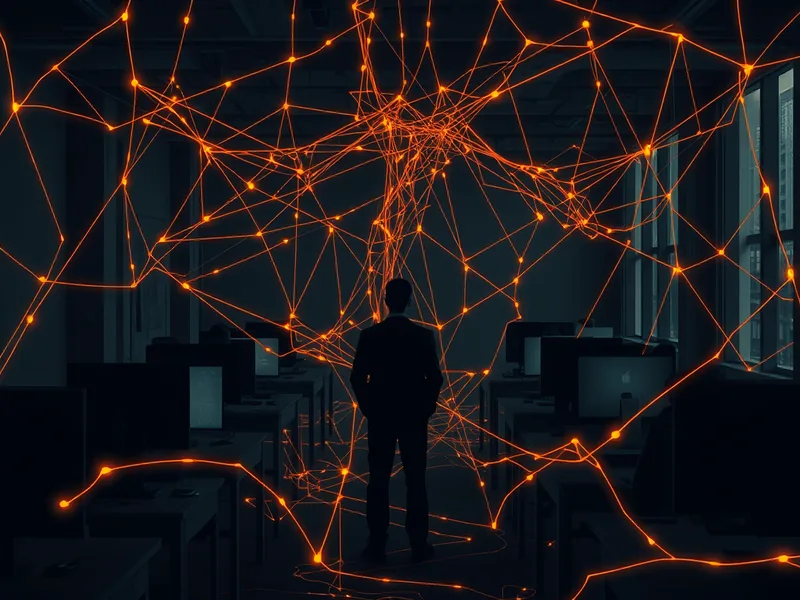
For Murati, the situation must have been particularly difficult. As a leader in a field dominated by technical expertise, she was forced to navigate complex interpersonal dynamics that could have long-term consequences for her company's reputation and success. The firing of Zoph, while necessary from a business perspective, may have created a rift within the team and sent a strong message about the company's values.
The tech industry is no stranger to high-profile departures and internal conflicts, but this case stands out because it involves some of the brightest minds in AI research. OpenAI, known for its pioneering work in ethical AI development, has now welcomed back key figures from Thinking Machines Lab. This move could bolster OpenAI's position in the competitive landscape while leaving Thinking Machines Lab to grapple with the aftermath of a significant loss of talent.
The incident also raises questions about how startups can better manage relationships and conflicts among their leadership teams. In an industry where innovation often depends on collaboration and trust, personal issues can quickly escalate into major disruptions. For other AI companies, this story serves as a cautionary tale about the importance of clear communication, transparent policies, and robust conflict resolution mechanisms.
As Thinking Machines Lab moves forward, it will need to address these challenges head-on. Rebuilding trust within the team and maintaining a strong ethical foundation will be crucial for the company's future success. The tech community will be watching closely to see how Murati and her team navigate this difficult period and whether they can continue to lead in the field of AI research.
Tags
Original Sources
About the author
Amara's entry point into AI was an epidemiology role at a London research hospital, where she spent five years studying how digital health tools reached — or conspicuously failed to reach — underserved communities. Watching early algorithmic systems in healthcare quietly entrench existing inequalities, she redirected her career toward the systemic consequences of AI at scale. She covers AI through an unflinching lens: who benefits, who bears the cost, and what evidence actually says versus what the press release claims. Her writing is calm and precise, but she doesn't mistake balance for neutrality.
More from The Steward →This Week's Edition
21 January 2026
29 articles
Related Articles
Ottawa Expands AI Funding for Northern Ontario Businesses, Aims to Close the Regional Tech Gap
Job Market & Society · 6 min

AI Is Lowering the Cost of Starting a Business. It's Not Lowering the Cost of Running One.
Job Market & Society · 6 min

Iambic Therapeutics Raises $150 Million in IPO to Fund AI-Designed Cancer Drugs
Finance & Markets · 5 min
Related Articles
Ottawa Expands AI Funding for Northern Ontario Businesses, Aims to Close the Regional Tech Gap
Job Market & Society · 6 min
AI Is Lowering the Cost of Starting a Business. It's Not Lowering the Cost of Running One.
Job Market & Society · 6 min
Iambic Therapeutics Raises $150 Million in IPO to Fund AI-Designed Cancer Drugs
Finance & Markets · 5 min
More Stories
© 2026 Cedar & Bloom. All rights reserved.
