The Drum · Weekly AI news, freeSubscribe →

Share
As artificial intelligence becomes more pervasive, a new study reveals how kids aged 10 to 18 are navigating this technology-often with surprising maturity and skepticism.
When we set out to talk to kids about artificial intelligence (AI), we had our assumptions. We expected some would use it to cheat on homework, much like previous generations relied on CliffsNotes or programmed formulas into their calculators. Others, we thought, might share inspiring stories of innovation. But what we found was far more nuanced.
Many of the same kids who can talk endlessly about music, sports, or hobbies met our questions with a shrug and an “meh” or were so opposed to AI that they didn’t want to discuss it at all. One teen shared that his peers use AI for things they know are wrong, like writing papers. Another refused to engage because of the environmental impact. Some found the entire field disheartening. “AI isn’t the solution to our problems,” said Winter, a 17-year-old. “I’m afraid it’s going to be the end of creativity and critical thinking.”
Yet, most of the kids we spoke to admitted to using AI at least occasionally. For many elementary- and middle-school-age children, AI is simply part of their digital landscape-embedded in devices and apps they already use, like Google searches or social media platforms. It’s just there, seamlessly integrated into their daily lives.
The data from a recent Pew Research Center survey supports this nuanced view. According to the February 2026 report, 57% of U.S. Teens had used chatbots to search for information, 54% tapped them for schoolwork, and 47% used them for fun or entertainment. Only 12% sought emotional support or advice from AI. These numbers suggest that while teens are engaging with AI in various ways, they are more likely to use it for benign purposes than potentially harmful ones.
Some kids are even using AI to create. Whether it’s designing characters, building tech platforms, or developing tutors to help other students, these young users are finding creative and constructive applications for the technology. This creativity is a testament to their adaptability and problem-solving skills.
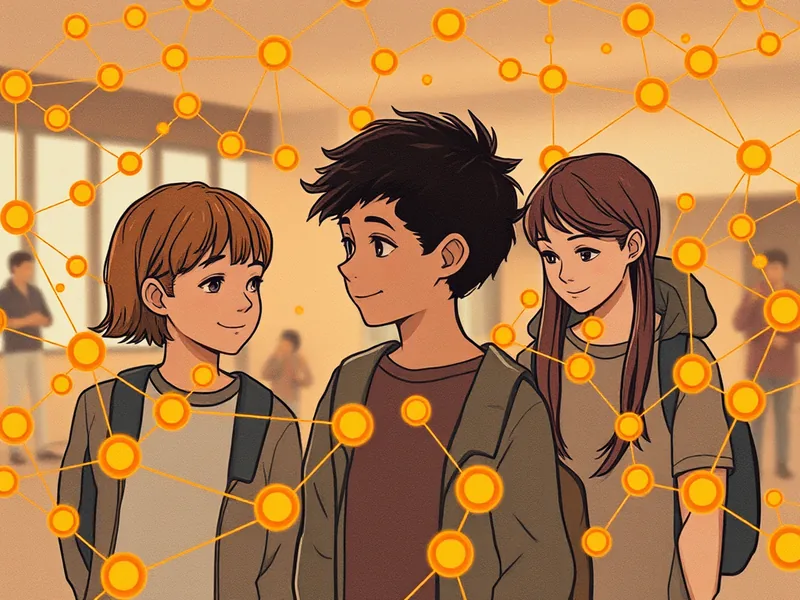
However, this doesn’t mean the concerns are unfounded. Kids can stumble into unfiltered content, rely too heavily on chatbots, or trust incorrect information. These risks highlight the importance of education and guidance. Just as we don’t teach teens to never drive, we should equip them with the skills to navigate AI safely and responsibly.
What surprised us most was how much young people might be able to teach adults about AI. The kids who use it can clearly articulate what they will and won’t share with these systems. They are less worried about job displacement and more concerned about broader societal impacts. This perspective is crucial as we shape policies and practices around AI.
Understanding how young people perceive and interact with AI is essential for several reasons. First, it helps us design educational programs that address their concerns and leverage their insights. Second, it informs policymakers who must balance innovation with protection. Finally, it underscores the need for ongoing dialogue between generations to ensure that AI serves everyone’s best interests.
As we continue to explore the role of AI in society, listening to young voices can provide valuable guidance. Their perspectives offer a balanced view of the technology's potential and its pitfalls, helping us navigate this complex landscape with greater clarity and responsibility.
Tags
Original Sources
How kids feel about AI, in their own words
↗ https://www.technologyreview.com/2026/08/13/1141410/how-kids-feel-about-ai-own-words
About the author
Amara's entry point into AI was an epidemiology role at a London research hospital, where she spent five years studying how digital health tools reached — or conspicuously failed to reach — underserved communities. Watching early algorithmic systems in healthcare quietly entrench existing inequalities, she redirected her career toward the systemic consequences of AI at scale. She covers AI through an unflinching lens: who benefits, who bears the cost, and what evidence actually says versus what the press release claims. Her writing is calm and precise, but she doesn't mistake balance for neutrality.
More from The Steward →This Week's Edition
17 August 2026
18 articles
Related Articles

A Media Executive's Open Letter to Young People on AI Tells Them: It's Not Too Late
Job Market & Society · 6 min

Twenty-Five Years After the Anthrax Letters, the Lessons Are More Urgent Than Ever
Security & Risk · 5 min
DARPA's Robotic Repair Mission Aims to Service Satellites 22,000 Miles Up
Products & Applications · 5 min
Related Articles
A Media Executive's Open Letter to Young People on AI Tells Them: It's Not Too Late
Job Market & Society · 6 min
Twenty-Five Years After the Anthrax Letters, the Lessons Are More Urgent Than Ever
Security & Risk · 5 min
DARPA's Robotic Repair Mission Aims to Service Satellites 22,000 Miles Up
Products & Applications · 5 min
More Stories
© 2026 Cedar & Bloom. All rights reserved.
