The Drum · Weekly AI news, freeSubscribe →

Share
YouTube and CAA's partnership aims to safeguard celebrities from the damaging effects of deepfakes, offering them tools to swiftly remove unauthorized videos that exploit their likenesses and threaten their reputations.
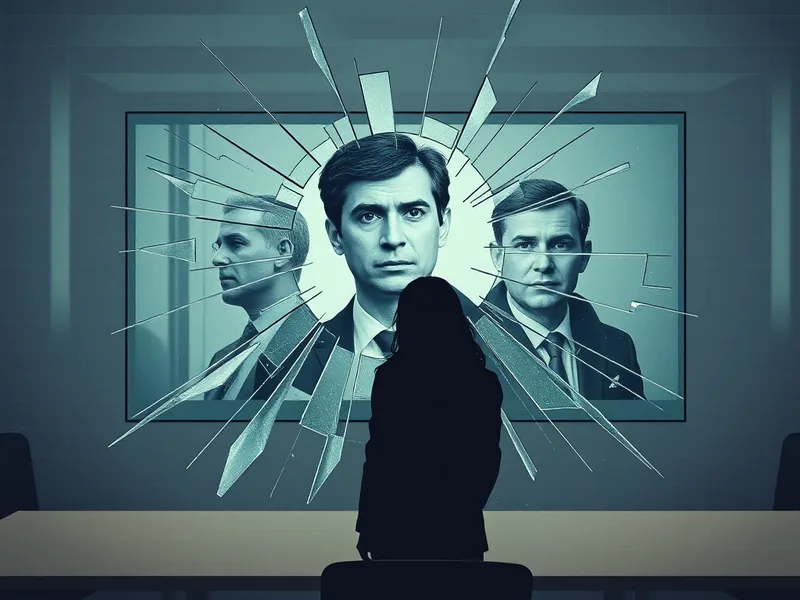
In a groundbreaking move to combat the growing issue of AI-generated deepfakes, YouTube has partnered with Creative Artists Agency (CAA) to develop a new system that allows actors, athletes, and other public figures to identify and remove unauthorized deepfake videos featuring their likenesses. This collaboration is seen as a significant step in protecting the rights and reputations of individuals who have been increasingly impacted by AI technology.
The rise of AI-generated content has brought with it a host of ethical and legal challenges, particularly for public figures whose images are often used without consent. Deepfakes, which use artificial intelligence to superimpose one person’s face onto another's body in a video, can be used maliciously to spread misinformation, damage reputations, or even commit financial fraud. This partnership between YouTube and CAA aims to empower talent to take control of their digital personas and protect themselves from such abuses.
Under this new program, CAA clients will have access to YouTube's early-stage likeness management technology. This tool is designed to identify AI-generated content featuring the faces of public figures at scale. Once identified, these individuals can submit requests to remove unauthorized deepfakes from the platform. According to YouTube, this is just the first step in a broader effort to build responsible AI practices.
YouTube plans to begin testing its new likeness management technology in early 2025 with a select group of leading celebrities. This includes award-winning actors and top athletes from the NBA and NFL. While specific names have not been disclosed, these initial participants will provide critical feedback to help refine the detection systems and user controls.
Bryan Lourd, CAA’s CEO and co-chairman, emphasized the importance of this collaboration: “We are excited to work with YouTube on this pioneering initiative to protect our clients’ digital identities. This is a crucial step in ensuring that AI technology is used responsibly and ethically.”
The partnership between YouTube and CAA sets a precedent for how tech companies and entertainment agencies can collaborate to address the challenges posed by AI. As deepfakes become more sophisticated, it's essential for platforms like YouTube to implement robust systems that balance innovation with user protection.
However, this initiative is not without its challenges. The technology must be accurate enough to identify deepfakes without false positives, which could lead to the removal of legitimate content. Additionally, there are concerns about how this tool will be used in a broader context, particularly in terms of free speech and the right to parody.
Over the next few months, YouTube plans to expand its testing cohorts to include top YouTube creators, creative professionals, and other leading partners representing talent. The goal is to gather more feedback and improve the technology before making it widely available to all users.
This partnership represents a significant step forward in the ongoing battle against AI-generated deepfakes. By working together, tech companies and entertainment agencies can help ensure that the benefits of AI are realized while minimizing its potential harms.
Tags
Original Sources
About the author
Amara's entry point into AI was an epidemiology role at a London research hospital, where she spent five years studying how digital health tools reached — or conspicuously failed to reach — underserved communities. Watching early algorithmic systems in healthcare quietly entrench existing inequalities, she redirected her career toward the systemic consequences of AI at scale. She covers AI through an unflinching lens: who benefits, who bears the cost, and what evidence actually says versus what the press release claims. Her writing is calm and precise, but she doesn't mistake balance for neutrality.
More from The Steward →This Week's Edition
2 January 2025
29 articles
Related Articles

Seattle Children's Network Turns Data Trust Into Preventive Care Gains, With Lessons for Security Teams
Security & Risk · 6 min

Anthropic Gives Outside Safety Researchers the Same Access as Its Own Staff
Security & Risk · 5 min

Fitch Puts a Number on AI Risk: New Stress Test Flags Credit Exposure Across Four Sectors
Security & Risk · 5 min
Related Articles
Seattle Children's Network Turns Data Trust Into Preventive Care Gains, With Lessons for Security Teams
Security & Risk · 6 min
Anthropic Gives Outside Safety Researchers the Same Access as Its Own Staff
Security & Risk · 5 min
Fitch Puts a Number on AI Risk: New Stress Test Flags Credit Exposure Across Four Sectors
Security & Risk · 5 min
More Stories
© 2026 Cedar & Bloom. All rights reserved.
