The Drum · Weekly AI news, freeSubscribe →
Share
YouTube launches a new “likeness detection” tool to help celebrities track down and eliminate AI-generated deepfakes featuring their image, addressing growing concerns over privacy and misinformation online.
In an era where artificial intelligence (AI) is increasingly capable of creating convincing deepfake videos, the lines between reality and fabrication can blur. This technological leap has significant implications for personal privacy, especially for public figures who are often targets of such content. Recognizing this, YouTube is rolling out a new feature to help celebrities monitor and request the removal of AI-generated deepfakes that feature their likeness.
YouTube’s new tool, called "likeness detection," is designed to scan the platform for videos that use AI to create realistic but fake representations of public figures. This technology can identify when a video features an AI-generated version of a celebrity and flag it for review. Public figures who are enrolled in the program will be able to track these deepfakes and, if necessary, request their removal.
The likeness detection tool uses advanced machine learning algorithms to analyze videos on YouTube. When it detects content that closely resembles a public figure’s appearance, it flags the video for further review. The flagged content is then evaluated against YouTube’s privacy policy, which outlines the criteria for what can and cannot be posted on the platform.
Public figures enrolled in the program will receive notifications when their likeness is detected in AI-generated content. They can then decide whether to request the removal of the video. However, it's important to note that not every request will result in a takedown. YouTube’s policies are designed to balance personal privacy with freedom of expression and other considerations.
The rise of deepfake technology has significant implications for individuals, especially those in the public eye. Deepfakes can be used to spread misinformation, damage reputations, or even cause emotional distress. For celebrities, who often have a large following and influence, the stakes are particularly high. A convincing deepfake could mislead fans, harm business relationships, or lead to legal issues.
YouTube’s new tool is a step towards giving public figures more control over how their image is used online. It empowers them to monitor and address content that may be harmful or misleading. This is especially crucial in an age where digital manipulation is becoming increasingly sophisticated and accessible.
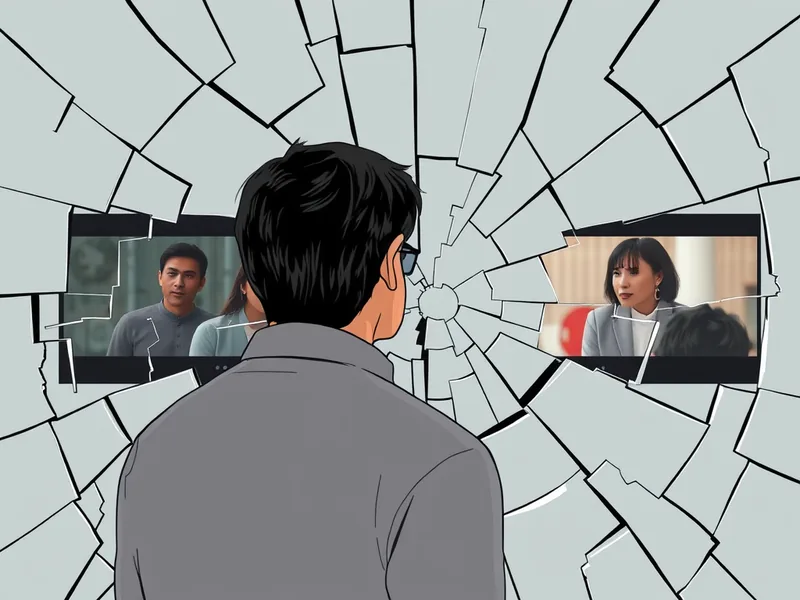
While the likeness detection tool aims to protect privacy, it also raises important questions about the balance between individual rights and freedom of expression. YouTube’s policies must navigate these complex issues carefully. For instance, a deepfake that parodies a celebrity might be protected under fair use or free speech laws, even if the public figure requests its removal.
The platform will need to ensure that its review process is transparent and consistent. Public figures should have clear guidelines on what types of content are likely to be removed and why. This transparency helps build trust and ensures that the tool is used fairly and effectively.
The introduction of likeness detection on YouTube is part of a broader trend in the tech industry to address the challenges posed by AI-generated content. As deepfake technology continues to advance, platforms will need to develop more sophisticated tools and policies to protect users.
For now, the tool is primarily aimed at public figures, but it could set a precedent for how other individuals might be protected in the future. The effectiveness of this feature will likely influence similar efforts on other social media platforms and content-sharing sites.
YouTube’s likeness detection tool represents a significant step forward in protecting public figures from the potential harms of AI-generated deepfakes. By giving celebrities more control over their digital image, the platform is addressing a growing concern in the age of advanced technology. However, the success of this initiative will depend on how well it balances privacy protection with other important considerations like free speech and fair use.
Tags
Original Sources
About the author
Amara's entry point into AI was an epidemiology role at a London research hospital, where she spent five years studying how digital health tools reached — or conspicuously failed to reach — underserved communities. Watching early algorithmic systems in healthcare quietly entrench existing inequalities, she redirected her career toward the systemic consequences of AI at scale. She covers AI through an unflinching lens: who benefits, who bears the cost, and what evidence actually says versus what the press release claims. Her writing is calm and precise, but she doesn't mistake balance for neutrality.
More from The Steward →This Week's Edition
25 April 2026
29 articles
Related Articles

Seattle Children's Network Turns Data Trust Into Preventive Care Gains, With Lessons for Security Teams
Security & Risk · 6 min

Anthropic Gives Outside Safety Researchers the Same Access as Its Own Staff
Security & Risk · 5 min

Fitch Puts a Number on AI Risk: New Stress Test Flags Credit Exposure Across Four Sectors
Security & Risk · 5 min
Related Articles
Seattle Children's Network Turns Data Trust Into Preventive Care Gains, With Lessons for Security Teams
Security & Risk · 6 min
Anthropic Gives Outside Safety Researchers the Same Access as Its Own Staff
Security & Risk · 5 min
Fitch Puts a Number on AI Risk: New Stress Test Flags Credit Exposure Across Four Sectors
Security & Risk · 5 min
More Stories
© 2026 Cedar & Bloom. All rights reserved.
