The Drum · Weekly AI news, freeSubscribe →
Share
Zuckerberg predicts a world where smart glasses are ubiquitous, but his forecast should be viewed through the lens of past predictions that didn't quite materialize, raising questions about this vision's viability.
Mark Zuckerberg, CEO of Meta (formerly Facebook), recently shared his vision for the future of consumer technology, emphasizing the pivotal role he believes smart glasses will play. According to Zuckerberg, "a future without smart glasses is hard to imagine." This statement comes with a caveat: it's worth considering his track record, as he previously predicted widespread adoption of the metaverse by now.
The latest iteration of Meta's smart glasses, codenamed Project Aria 2.0, introduces several significant technical advancements that could make them more compelling to consumers:
Enhanced AR Capabilities: The new glasses feature a more powerful onboard processor, which supports advanced augmented reality (AR) features such as real-time object recognition and environment mapping. This is crucial for applications like virtual assistants, navigation, and interactive entertainment.
Improved Battery Life: One of the major pain points of early smart glasses was limited battery life. Project Aria 2.0 addresses this by integrating a more efficient power management system and a larger, denser battery.
Seamless Integration with Meta Ecosystem: The glasses are deeply integrated with Meta's suite of services, including social media, messaging, and productivity tools. This integration allows for a more cohesive user experience, where data flows seamlessly between devices.
Zuckerberg's optimism is not unfounded. The market for wearable technology has been growing steadily, with smart glasses expected to follow a similar trajectory:
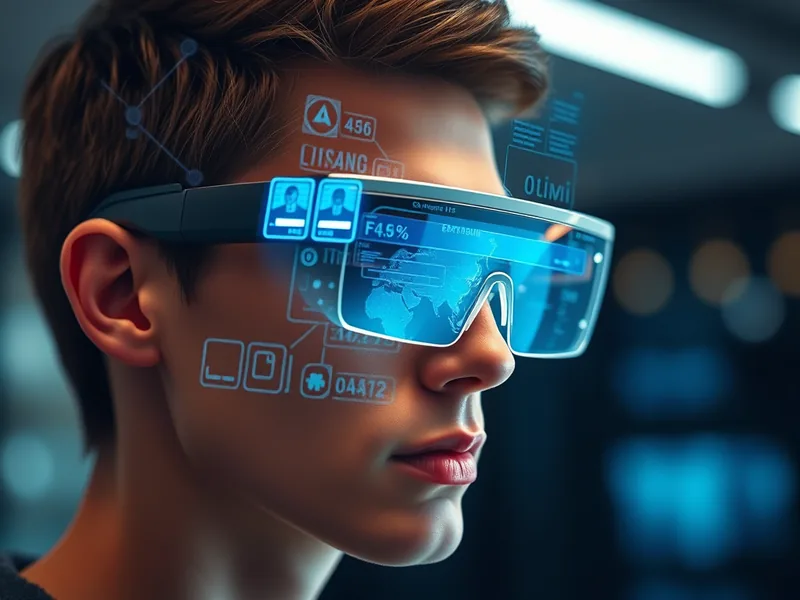
Privacy remains a significant concern for smart glasses. Meta has faced scrutiny over data collection practices, and Project Aria 2.0 includes several features to address these concerns:
Meta plans a phased rollout for Project Aria 2.0, starting with limited availability in select markets:
While the future of smart glasses is still uncertain, Zuckerberg's vision highlights the potential for these devices to transform how we interact with technology. Whether this transformation will be as profound as he envisions remains to be seen, but Meta's technical advancements in Project Aria 2.0 are a step in that direction.
Tags
Original Sources
About the author
Kai built ML infrastructure at a Bay Area startup before developing an obsession with transformer architectures and inference optimisation that eventually pulled him out of product work entirely. A stint at a compute research lab sharpened his instinct for what actually matters in a model release versus what is marketing. He writes from the inside — from the perspective of someone who has debugged the systems he is describing at three in the morning. He is allergic to hype and instinctively drawn to the unglamorous plumbing questions that everyone else skips over.
More from The Engineer →This Week's Edition
29 January 2026
29 articles
Related Articles

Rosarium Health Partners With Anthem Medi-Cal to Fund Home Modifications for Older Californians
Products & Applications · 5 min
Meta's new open-weight model runs on Macs, if you have 1TB of RAM to spare
Products & Applications · 5 min

Persona AI Bets on Calm Execution in a Noisy Humanoid Robotics Market
Products & Applications · 5 min
Related Articles
Rosarium Health Partners With Anthem Medi-Cal to Fund Home Modifications for Older Californians
Products & Applications · 5 min
Meta's new open-weight model runs on Macs, if you have 1TB of RAM to spare
Products & Applications · 5 min
Persona AI Bets on Calm Execution in a Noisy Humanoid Robotics Market
Products & Applications · 5 min
More Stories
© 2026 Cedar & Bloom. All rights reserved.
