The Drum · Weekly AI news, freeSubscribe →
Share
When lettering artist Jessica Hische designed the logo for Meta's new AI assistant Muse, she expected criticism. What followed instead raises hard questions about who absorbs the public's anger over AI.
Jessica Hische knew the assignment carried risk before she ever opened her sketchbook. The Bay Area lettering artist took a freelance gig designing the "M" logo for Muse, Meta's new personal AI agent, and she went in with eyes open. "AI is such a third rail, and Meta is such a third rail," she told Wired. Two charged topics, one logo. She wasn't wrong about the backlash. What she may not have fully anticipated was its intensity.
This is the quiet calculus a lot of working creatives face right now. Take the job, pay the bills, and risk becoming a lightning rod for a much bigger fight you didn't start. Or turn it down, and let someone else do the work anyway while you cover rent with something less controversial. Hische chose the former. The internet responded with the kind of fury usually reserved for corporate executives, not the freelancer who drew some letters.
Think of it like being the messenger who gets blamed for the message. Hische didn't build Muse's underlying AI model. She didn't decide how Meta trains its systems or what data it scrapes to do so. She designed a logo, a visual shorthand, the kind of commercial work lettering artists have done for brands of every stripe for decades. But in the current climate around artificial intelligence, that distinction between "designed the icon" and "built the technology" got lost fast.
Wired's own comment section, attached to the original story, captures the split reaction well. One longtime commercial artist, posting under the handle MORE_COFFEE, pushed back hard against the pile-on: "I can't blame any artist for putting food on the table... She's supposed to let her life get wrecked because of a moral stance that a bunch of other people want her to take? Ridiculous." That commenter also drew a line between Hische's specific work and broader concerns about AI training data, noting they consider data scraping itself a serious problem, just not one Hische personally created.
Others weren't so forgiving. A commenter using the handle FARTMACHINE quoted an exchange from the interview, where Hische was asked if she regretted taking the job and said "not exactly," then added dryly: "And not a single lesson was learned." A third commenter, TERRY_M, took a different angle entirely, arguing the whole episode was an awkward advertisement for AI's creative limits: an industry built on automation couldn't even produce its own logo without hiring a human.
Perhaps the sharpest observation came from a commenter writing under LTTMDM, who flagged the irony sitting at the center of this entire controversy. People who champion artistic freedom of expression, they argued, shouldn't turn around and punish a commercial artist through intimidation, doxxing, or threats simply because she accepted a brand's money. "Freedom of expression, like freedom of speech, only means something if you accept what offends you as part of the deal," they wrote.
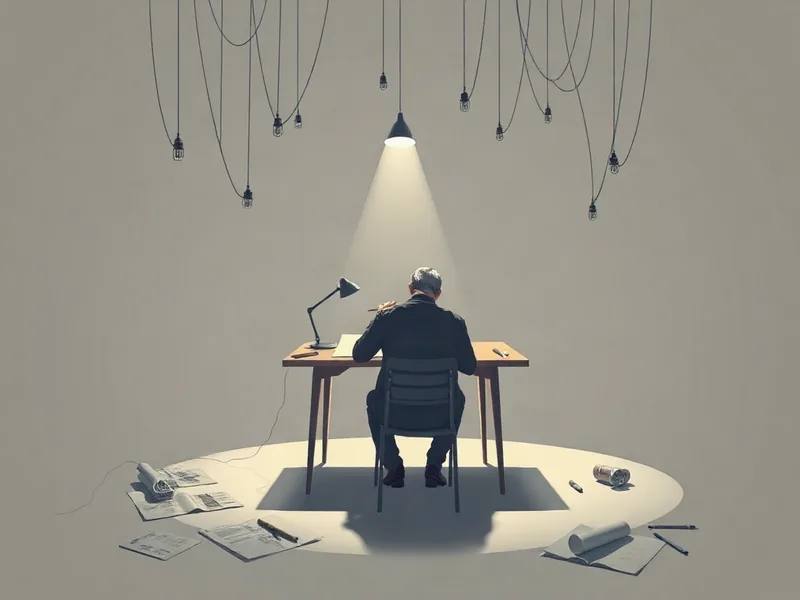
That tension sits at the heart of a much larger pattern playing out across the AI industry. Muse itself has drawn scrutiny well beyond its logo. Wired reported separately that the app, downloaded by millions, builds detailed profiles of users' friends and family, raising its own privacy questions independent of who designed its branding. Meta's broader AI push has also generated friction in unexpected corners of daily life. One Wired piece documented people feeling "super violated" after discovering they'd been covertly filmed on dates by Meta's smart glasses, a sign that anxiety over the company's AI ambitions extends well past any single product launch.
Public anger toward Meta and the AI industry more broadly isn't baseless. Researchers across the field have raised alarms about everything from data privacy to existential risk. One AI safety researcher who recently left Anthropic described this moment as "crunch time for humanity" in a separate Wired interview, pointing to what he called a "mini Manhattan project" happening inside AI labs and warning that companies have only a few years left to make their systems safe. Against that backdrop, it's understandable that people feel a visceral need to push back somewhere, on someone, when a company like Meta rolls out a new AI product.
The problem is that freelancers and contractors sit at the bottom of a very long chain of decision-making. They rarely set data policy. They don't choose what a company scrapes or how a product handles user information. Yet they're often the most visible, most reachable target when public frustration boils over, because executives are insulated by layers of PR and legal teams, while a solo designer answers her own email.
This episode isn't really about one logo or one artist. It's a preview of a labor dynamic that's going to keep repeating as AI products multiply and public trust in the companies building them keeps eroding. Freelancers, contractors, and gig workers already absorb a disproportionate share of economic risk compared to full-time employees, with no severance cushion, no corporate communications team, no HR department standing between them and an angry internet.
If the industry wants thoughtful, skilled creative professionals willing to work on AI-adjacent projects, going after individual designers with threats and harassment is exactly the wrong incentive to create. It teaches talented people to avoid these jobs entirely, or to take them anonymously, which helps no one, least of all the public trying to hold tech companies accountable. The accountability belongs with the companies setting data policy and training practices, not with the person who drew the letter M.
Tags
Original Sources
She Designed Meta’s New AI Logo. Then Came the Hate
↗ https://www.wired.com/story/she-designed-metas-new-ai-logo-then-came-the-hate
About the author
Amara's entry point into AI was an epidemiology role at a London research hospital, where she spent five years studying how digital health tools reached — or conspicuously failed to reach — underserved communities. Watching early algorithmic systems in healthcare quietly entrench existing inequalities, she redirected her career toward the systemic consequences of AI at scale. She covers AI through an unflinching lens: who benefits, who bears the cost, and what evidence actually says versus what the press release claims. Her writing is calm and precise, but she doesn't mistake balance for neutrality.
More from The Steward →This Week's Edition
9 October 2026
34 articles
Related Articles
Why Nurses Leave: It's Career Stage, Not Generation, Hospitals Need to Address
Job Market & Society · 5 min
New Survey Finds Women Far More Skeptical of AI Than Men, and the Gap Is Widening
Job Market & Society · 5 min
India's AI Data Centre Boom Runs Into Resistance From the Communities Living Beside It
Job Market & Society · 6 min
Related Articles
Why Nurses Leave: It's Career Stage, Not Generation, Hospitals Need to Address
Job Market & Society · 5 min
New Survey Finds Women Far More Skeptical of AI Than Men, and the Gap Is Widening
Job Market & Society · 5 min
India's AI Data Centre Boom Runs Into Resistance From the Communities Living Beside It
Job Market & Society · 6 min
More Stories
© 2026 Cedar & Bloom. All rights reserved.
