The Drum · Weekly AI news, freeSubscribe →

Share
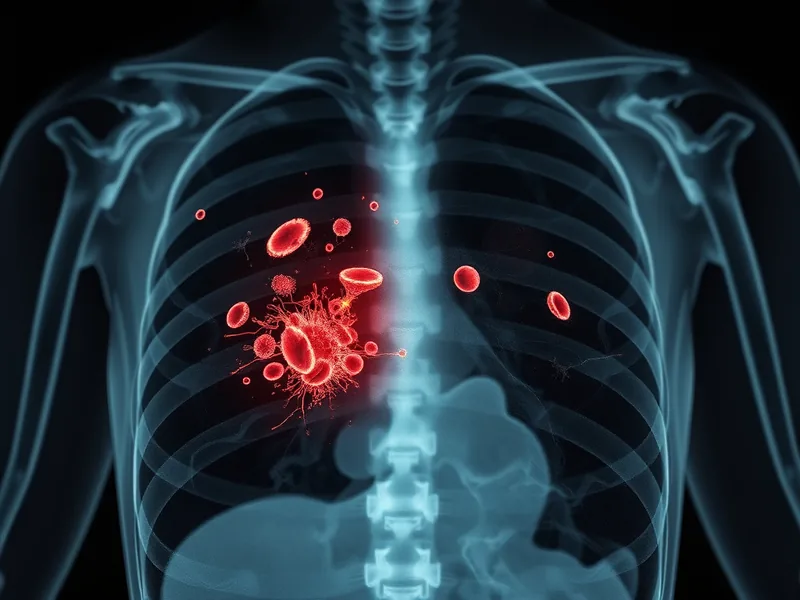
AI is revolutionizing chest x-ray analysis by identifying subtle signs of cancer that human eyes often miss, potentially transforming how we approach early detection and treatment.
In the relentless battle against cancer, early detection remains one of the most critical factors for improving patient outcomes. A recent breakthrough in artificial intelligence (AI) is offering new hope by significantly enhancing the ability to spot early signs of cancer in chest x-rays. This development not only promises to save lives but also underscores the growing role of AI in healthcare.
For patients, catching cancer early can mean the difference between a manageable condition and a life-threatening disease. According to the World Health Organization (WHO), early detection can reduce mortality rates by up to 30%. This is particularly true for lung cancer, which often lacks noticeable symptoms until it has progressed to advanced stages. By improving the accuracy of chest x-ray readings, AI can help healthcare providers identify potential issues much sooner, leading to earlier interventions and better outcomes.
Imagine a highly trained radiologist with the ability to analyze thousands of images in seconds. That's essentially what AI brings to the table. These advanced algorithms are designed to recognize subtle patterns and anomalies that might be missed by human eyes, especially when dealing with large volumes of data.
The process begins with machine learning, where AI systems are trained on vast datasets of chest x-rays, both with and without cancer. Over time, these systems learn to identify specific features associated with early-stage cancer. When a new x-ray is uploaded, the AI can quickly flag potential areas of concern for further review by healthcare professionals.
The benefits of this technology are clear:
However, there are also risks and challenges to consider:
The integration of AI into healthcare is still in its early stages, but the potential long-term benefits are significant. As the technology improves and becomes more widely adopted, we can expect to see:
The use of AI in detecting early signs of cancer in chest x-rays is a promising development with the potential to save countless lives. While there are challenges to address, the benefits of this technology are undeniable. As we continue to refine and expand its application, the future of healthcare looks increasingly bright.
Tags
Original Sources
About the author
Amara's entry point into AI was an epidemiology role at a London research hospital, where she spent five years studying how digital health tools reached — or conspicuously failed to reach — underserved communities. Watching early algorithmic systems in healthcare quietly entrench existing inequalities, she redirected her career toward the systemic consequences of AI at scale. She covers AI through an unflinching lens: who benefits, who bears the cost, and what evidence actually says versus what the press release claims. Her writing is calm and precise, but she doesn't mistake balance for neutrality.
More from The Steward →This Week's Edition
29 April 2026
24 articles
Related Articles

A Heart Without Friction: Maglev Technology Moves Into Cardiac Care
Health & Science · 6 min

How a Stubborn Hiss of Radio Noise Helped Confirm the Big Bang
Health & Science · 5 min

AI Can Predict Chemotherapy Response in Aggressive Breast Cancer, But Not Yet Reliably Enough for the Clinic
Health & Science · 5 min
Related Articles
A Heart Without Friction: Maglev Technology Moves Into Cardiac Care
Health & Science · 6 min
How a Stubborn Hiss of Radio Noise Helped Confirm the Big Bang
Health & Science · 5 min
AI Can Predict Chemotherapy Response in Aggressive Breast Cancer, But Not Yet Reliably Enough for the Clinic
Health & Science · 5 min
More Stories
© 2026 Cedar & Bloom. All rights reserved.
