The Drum · Weekly AI news, freeSubscribe →

Share
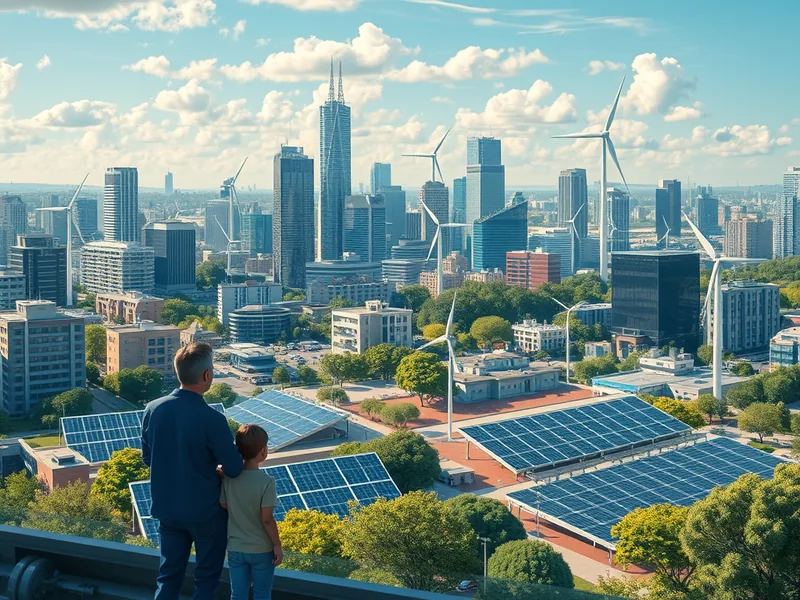
As global energy systems transform, Melbourne emerges as a leader in leveraging artificial intelligence for sustainable demand management, setting a precedent for cities worldwide.
In an era where climate change and sustainability are pressing concerns, the city of Melbourne is leading by example. Through innovative collaborations between engineers and AI experts, Melbourne is reshaping its energy systems to be more efficient, resilient, and environmentally friendly. This initiative not only addresses immediate challenges but also paves the way for a sustainable future.
The heart of this transformation lies in the integration of artificial intelligence (AI) into the city's energy infrastructure. AI algorithms can predict and manage energy demand with unprecedented accuracy, ensuring that power is distributed efficiently and waste is minimized. For instance, during peak usage times, AI can automatically adjust the load on the grid by temporarily reducing non-essential consumption, such as street lighting or HVAC systems in commercial buildings.
This approach not only stabilizes the grid but also reduces the need for expensive infrastructure upgrades. By leveraging data from smart meters and sensors, AI can identify patterns and anomalies that human operators might miss. This real-time monitoring and predictive analytics help prevent outages and ensure a steady supply of electricity to residents and businesses.
The success of Melbourne's energy transformation is not just about technology; it’s also about collaboration. Engineers from various disciplines-electrical, software, and environmental-are working together to develop and implement these AI-driven solutions. This interdisciplinary approach ensures that all aspects of the system are considered, from the technical feasibility to the environmental impact.
One notable project is the Melbourne Energy Institute's partnership with local utilities. Together, they have developed a sophisticated demand management system that uses machine learning to optimize energy distribution. The system can anticipate spikes in usage and adjust supply accordingly, reducing strain on the grid during peak hours. This not only saves money but also reduces carbon emissions by minimizing the need for fossil fuel-based power generation.
Another key aspect of this collaboration is community engagement. Melbourne's residents are being educated about the benefits of smart energy systems and how they can contribute to sustainability. For example, homeowners are encouraged to install smart thermostats that can communicate with the grid, allowing them to save on energy bills while contributing to a more stable network.
The implications of Melbourne’s AI-driven energy systems extend far beyond the city limits. As global populations continue to grow and urbanize, the demand for electricity will only increase. Traditional methods of managing this demand are becoming unsustainable, both economically and environmentally. By demonstrating the effectiveness of AI in optimizing energy use, Melbourne is providing a blueprint that other cities can follow.
The success of these initiatives highlights the importance of cross-sector collaboration. In an interconnected world, solving complex problems like climate change requires input from various stakeholders-governments, businesses, researchers, and communities. Melbourne’s approach shows that when these groups work together, they can achieve remarkable results.
As other cities around the world face similar challenges, they can look to Melbourne as a model of how to harness technology for the greater good. By investing in AI and fostering collaboration, cities can build more resilient, sustainable energy systems that benefit both current and future generations.
Tags
Original Sources
Is Melbourne the Place Where AI and Clean Energy Finally Align?
↗ https://spectrum.ieee.org/ai-energy-systems-melbourne
About the author
Amara's entry point into AI was an epidemiology role at a London research hospital, where she spent five years studying how digital health tools reached — or conspicuously failed to reach — underserved communities. Watching early algorithmic systems in healthcare quietly entrench existing inequalities, she redirected her career toward the systemic consequences of AI at scale. She covers AI through an unflinching lens: who benefits, who bears the cost, and what evidence actually says versus what the press release claims. Her writing is calm and precise, but she doesn't mistake balance for neutrality.
More from The Steward →This Week's Edition
6 July 2026
28 articles
Related Articles

US Senate Reaches Permitting Deal as Swiss Glaciers Reveal Climate's Toll
Environment & Climate · 6 min

Small Batteries in Stoves, E-Bikes, and Food Carts Could Quietly Reshape the Grid
Environment & Climate · 5 min

Payerset Bets on AI Research Assistant to Make Price Transparency Data Usable
Products & Applications · 6 min
Related Articles
US Senate Reaches Permitting Deal as Swiss Glaciers Reveal Climate's Toll
Environment & Climate · 6 min
Small Batteries in Stoves, E-Bikes, and Food Carts Could Quietly Reshape the Grid
Environment & Climate · 5 min
Payerset Bets on AI Research Assistant to Make Price Transparency Data Usable
Products & Applications · 6 min
More Stories
© 2026 Cedar & Bloom. All rights reserved.
