The Drum · Weekly AI news, freeSubscribe →
Topic Focus
Energy use, sustainability, climate modelling and environmental AI
3 stories this week
This week, The Steward and The Analyst bring 3 stories covering Environment & Climate.
All Stories This Week

Russia Widens Energy Strikes Into Western Ukraine as Winter Nears
2026-10-21 · 5 min read
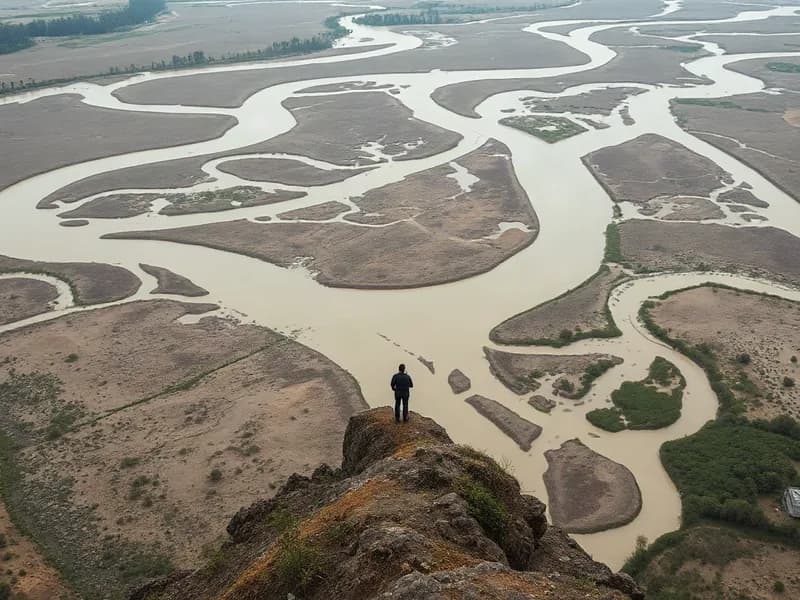
UN Report: 1.5°C Target Now Out of Reach, But a Path Back Still Exists
2026-10-21 · 5 min read
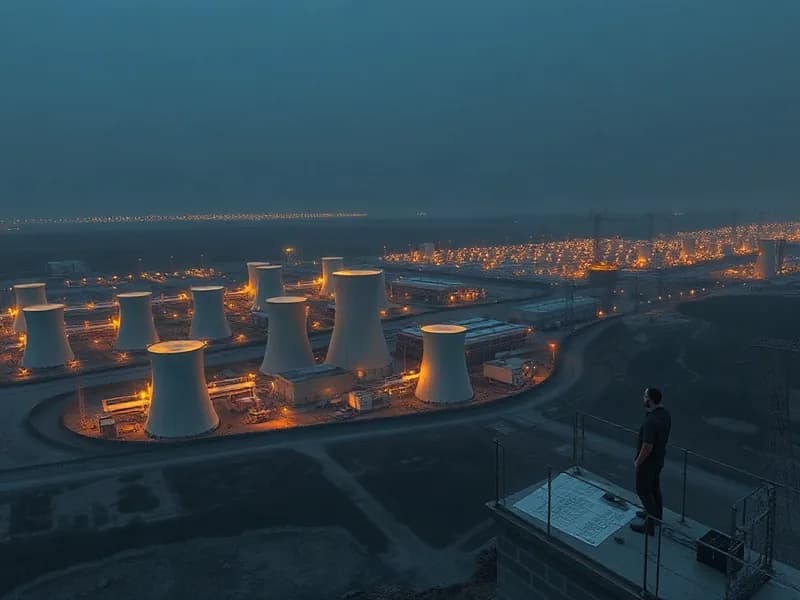
Goldman Sachs: Power, Not Chips, Is the Real Constraint on the AI Buildout
2026-10-21 · 5 min read
This hub tracks the collision between artificial intelligence and the physical world it increasingly depends on and helps explain. On one side are the forecasting breakthroughs: models that extend hurricane warnings, fill gaps in two-week weather outlooks, and let scientists simulate oceans and storms with new precision. On the other side sits a harder truth. The data centers that train and run these systems consume staggering amounts of electricity, water, and land, turning AI into both a climate tool and a climate liability.
The stakes reach far beyond tech balance sheets. Farmers, emergency planners, and water managers depend on forecasts that AI can sharpen, sometimes by days that save lives. Meanwhile, nuclear upgrades, fuel cells, geothermal startups, and trucked-in natural gas are all scrambling to answer one question: who powers the AI boom, and at what cost to ordinary electricity customers in Ireland, the Netherlands, or small towns hosting new server farms.
Tensions run through nearly every story here. Companies tout net-zero pledges while regulators tighten the rules behind those claims. Communities near proposed data centers fight secrecy and demand accountability, even as AWS and others promise more transparency. Climate tech investment is shifting fast, chasing batteries, flood barriers, and nuclear designs built for an AI-hungry grid, while researchers at central banks and the IPCC try to measure whether AI's net effect on the planet is positive or corrosive.
What emerges is a genuine open question, not a settled narrative. Better forecasts and smarter grids could make climate adaptation faster and cheaper. But if power demand keeps outrunning clean supply, AI risks becoming a driver of the very instability it was supposed to help predict and prevent.
© 2026 Cedar & Bloom. All rights reserved.
