The Drum · Weekly AI news, freeSubscribe →

Share
AI is revolutionizing architecture by generating innovative designs that prioritize sustainability and efficiency, transforming the way buildings are conceived and constructed through advanced generative design tools.
The integration of artificial intelligence (AI) into architecture is giving rise to a stunning new style that pushes the boundaries of design, efficiency, and sustainability. This shift isn't just about aesthetics; it's fundamentally changing how buildings are conceptualized, designed, and constructed.
Generative Design Algorithms: AI-driven generative design tools can create thousands of design iterations based on specific parameters (e.g., cost, materials, environmental impact). These algorithms use machine learning to optimize designs for performance and sustainability.
Data-Driven Decision Making: AI systems can analyze vast amounts of data from various sources (e.g., climate data, building codes, historical performance) to inform design decisions. This leads to more informed and efficient designs.
Automated Construction Processes: Robots and drones equipped with AI are being used in construction sites to automate tasks such as bricklaying, concrete pouring, and inspection. This increases precision and reduces labor costs.
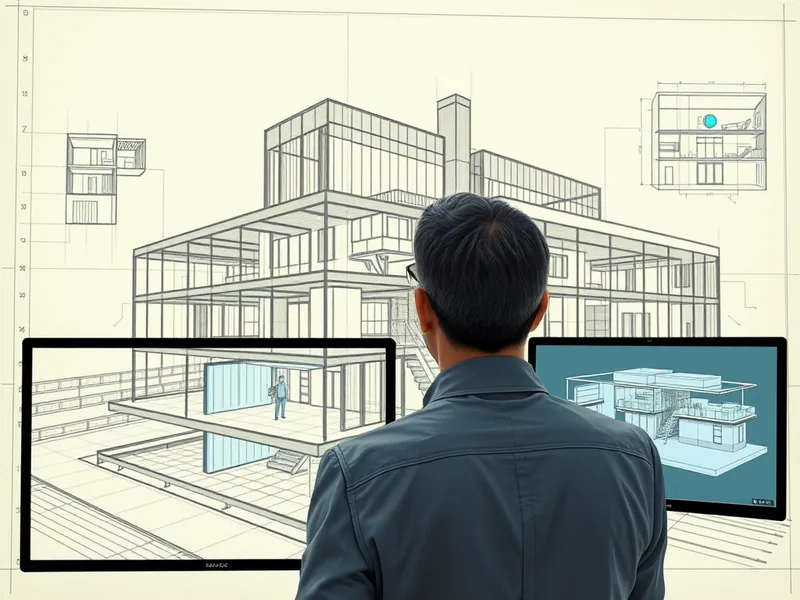
Several high-profile projects have already demonstrated the potential of AI in architecture:
As AI technology continues to evolve, we can expect even more transformative changes in architecture:
The integration of AI into architecture is not just a technological advancement; it's a paradigm shift that is redefining the industry. By leveraging AI tools, architects and builders can create more innovative, efficient, and sustainable structures, setting the stage for a new era in architectural design.
Tags
Original Sources
About the author
Kai built ML infrastructure at a Bay Area startup before developing an obsession with transformer architectures and inference optimisation that eventually pulled him out of product work entirely. A stint at a compute research lab sharpened his instinct for what actually matters in a model release versus what is marketing. He writes from the inside — from the perspective of someone who has debugged the systems he is describing at three in the morning. He is allergic to hype and instinctively drawn to the unglamorous plumbing questions that everyone else skips over.
More from The Engineer →This Week's Edition
29 April 2026
29 articles
Related Articles

Rosarium Health Partners With Anthem Medi-Cal to Fund Home Modifications for Older Californians
Products & Applications · 5 min

Meta's new open-weight model runs on Macs, if you have 1TB of RAM to spare
Products & Applications · 5 min

Persona AI Bets on Calm Execution in a Noisy Humanoid Robotics Market
Products & Applications · 5 min
Related Articles
Rosarium Health Partners With Anthem Medi-Cal to Fund Home Modifications for Older Californians
Products & Applications · 5 min
Meta's new open-weight model runs on Macs, if you have 1TB of RAM to spare
Products & Applications · 5 min
Persona AI Bets on Calm Execution in a Noisy Humanoid Robotics Market
Products & Applications · 5 min
More Stories
© 2026 Cedar & Bloom. All rights reserved.
