The Drum · Weekly AI news, freeSubscribe →

Share
As tech giants like Amazon expand their data centers, the environmental toll is coming into sharp focus. A new gas plant in Texas could become the largest source of climate pollution in the U.S.
Amazon’s ambitious plans for artificial intelligence are set to receive a significant boost from an unlikely source-a natural gas-burning power plant in Texas that may soon become the largest single contributor to climate pollution in the United States, according to The New York Times. This development raises serious questions about Amazon's commitment to sustainability and its impact on public health.
The plant, part of a broader trend of integrating power generation directly into data center operations, is designed to fuel Amazon’s growing AI infrastructure. However, it also produces harmful pollutants that can accelerate climate change and pose significant risks to local communities. These pollutants are known to contribute to respiratory issues like asthma, cardiovascular diseases, lung cancer, and strokes.
The environmental implications of this project have not gone unnoticed. In Mississippi, the National Association for the Advancement of Colored People (NAACP) has taken legal action against Elon Musk’s xAI, another tech giant that relies on gas turbines to power its AI data center, Colossus. The NAACP's lawsuit seeks to shut down these turbines, citing their detrimental effects on public health and the environment.
Despite this backlash, Amazon and other major tech companies have continued to invest in alternative power solutions that often bypass stringent environmental reviews. This approach is part of a broader strategy to secure fast approvals for data center projects, a trend that has been facilitated by the Trump administration’s policies favoring rapid development over comprehensive environmental assessments.
Since xAI began relying on gas turbines last spring, there has been significant public opposition to off-the-grid data centers like Amazon's. The controversy has led to legal threats and community protests, with some groups demanding more stringent environmental reviews and transparency from tech companies.
However, the Trump administration has joined forces with xAI, arguing that citizens have no power to enforce the Clean Air Act. This stance has further fueled concerns about the lack of regulatory oversight in the rapidly expanding data center industry.
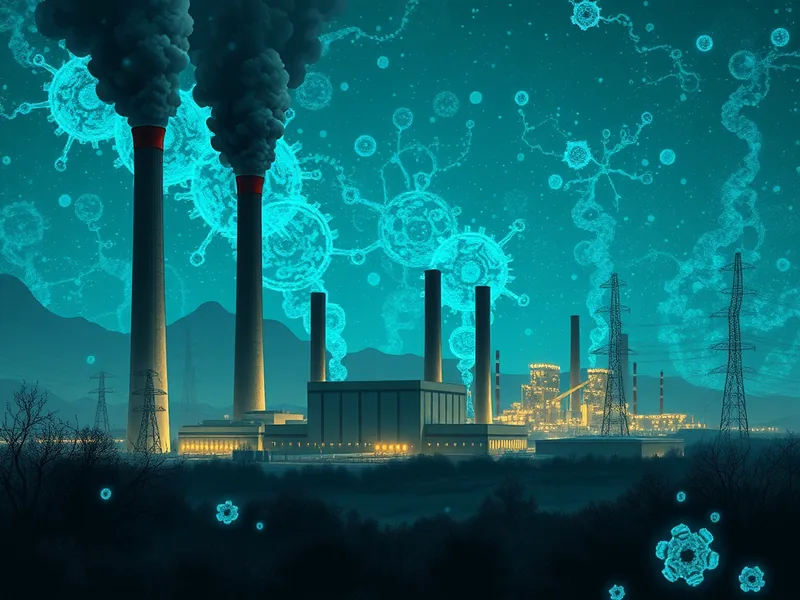
The environmental impact of these gas-burning plants is profound. They not only contribute to climate change but also pose immediate health risks to nearby communities. For instance, the pollutants emitted by these plants can exacerbate existing health conditions, particularly in vulnerable populations such as children and the elderly.
In Texas, where Amazon’s new plant is being built, air quality issues are already a significant concern. The state has some of the highest rates of asthma and other respiratory illnesses in the country, which could be further aggravated by the increased pollution from the gas plant. This underscores the need for more stringent environmental regulations and community involvement in the approval process for such projects.
Other tech giants, including Anthropic, Google, Meta, Microsoft, OpenAI, and Oracle, have also been investing in alternative power solutions to avoid permitting discussions and supply their own energy. These investments highlight a growing trend among major corporations to secure independent sources of power, often at the expense of environmental and public health considerations.
The rapid approval of these projects has become a harbinger of potential resistance futility. Unlike other data center fights that have successfully blocked $130 billion in projects this year alone, the resistance against gas-burning plants may be less effective due to the streamlined approval processes and strong industry backing.
As Amazon’s new gas plant in Texas moves forward, it serves as a critical case study for the broader implications of tech giants' energy choices. The environmental and public health consequences of these decisions are far-reaching and require careful consideration.
It is essential for policymakers, communities, and stakeholders to engage in robust dialogue and demand transparent, sustainable practices from major corporations. Only through collective action can we ensure that technological advancements do not come at the cost of our planet and its people.
Tags
Original Sources
Amazon backs power plant that may become top source of US climate pollution
↗ https://arstechnica.com/tech-policy/2026/08/amazon-funds-biggest-gas-power-plant-in-us-despite-climate-pledge
About the author
Amara's entry point into AI was an epidemiology role at a London research hospital, where she spent five years studying how digital health tools reached — or conspicuously failed to reach — underserved communities. Watching early algorithmic systems in healthcare quietly entrench existing inequalities, she redirected her career toward the systemic consequences of AI at scale. She covers AI through an unflinching lens: who benefits, who bears the cost, and what evidence actually says versus what the press release claims. Her writing is calm and precise, but she doesn't mistake balance for neutrality.
More from The Steward →This Week's Edition
17 August 2026
113 articles
Related Articles
Related Articles
More Stories
© 2026 Cedar & Bloom. All rights reserved.