The Drum · Weekly AI news, freeSubscribe →

Share
As Canada pushes forward with oil pipeline expansions, extreme weather events around the world underscore the urgent need for climate action.
In a world grappling with the intensifying impacts of climate change, recent events have brought the urgency of environmental policy to the forefront. While Canada moves ahead with plans to expand its oil pipelines, countries like Côte d'Ivoire are reeling from deadly floods and extreme heat waves are scorching parts of North America. These concurrent crises highlight the critical need for a balanced approach that prioritizes both economic development and environmental sustainability.
The human toll of climate change is becoming increasingly evident. In Côte d'Ivoire, recent floods have claimed lives and displaced thousands, devastating communities already vulnerable to poverty and lack of infrastructure. Meanwhile, heat waves in North America are causing widespread health issues, from heat exhaustion to more severe conditions like heat stroke. These events are not isolated incidents; they are part of a larger pattern of extreme weather that scientists predict will only worsen with continued global warming.
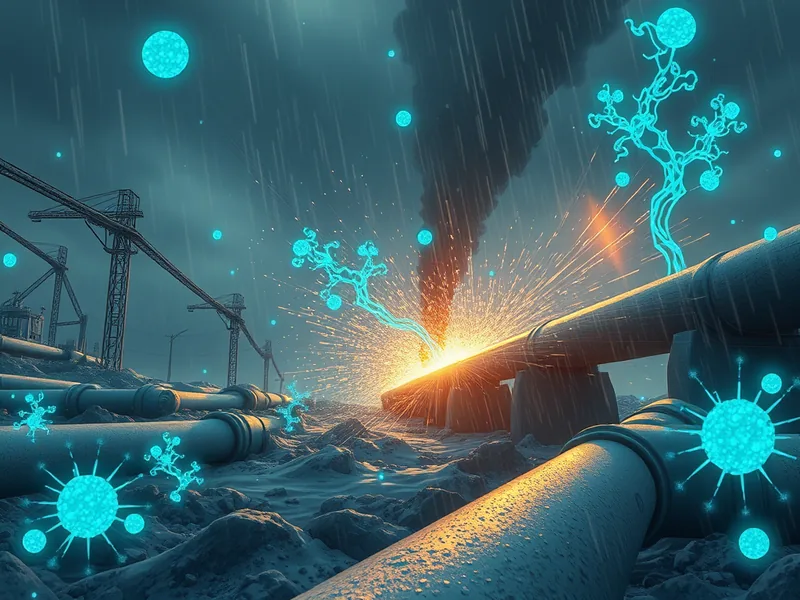
Canada's pipeline plans, particularly the expansion of the Trans Mountain Pipeline, have been a source of significant debate. Proponents argue that these projects are essential for economic growth and energy security. They point to the jobs created and the revenue generated from oil exports as key benefits. However, critics emphasize the environmental risks, including potential spills and increased greenhouse gas emissions.
The contrast between Canada's push for pipeline expansion and the immediate impacts of climate change in other parts of the world is stark. Côte d'Ivoire's floods are a tragic reminder that the consequences of global warming are disproportionately felt by those least equipped to handle them. In many developing countries, inadequate infrastructure and limited resources exacerbate the effects of natural disasters.
In North America, heat waves are not only dangerous but also costly. They strain healthcare systems, increase energy consumption as people rely more on air conditioning, and can lead to significant economic losses in sectors like agriculture and construction. The cumulative effect of these events is a growing realization that climate change is not just an environmental issue but a public health crisis.
The scientific consensus is clear: human activities, particularly the burning of fossil fuels, are driving global warming. Climate models predict that without substantial reductions in greenhouse gas emissions, extreme weather events will become more frequent and severe. This is why international agreements like the Paris Agreement are crucial. They set targets for reducing emissions and provide a framework for global cooperation.
The decisions made today about energy infrastructure and environmental policy will have long-lasting impacts. Canada's pipeline expansion could lock in decades of high carbon emissions, making it harder to meet climate goals. On the other hand, investing in renewable energy sources and sustainable practices can create new economic opportunities while reducing the risk of extreme weather events.
For communities around the world, the stakes are high. The people of Côte d'Ivoire and North America are already feeling the effects of a changing climate. Their experiences serve as a call to action for policymakers and citizens alike. It is essential to balance economic development with environmental responsibility to ensure a sustainable future for all.
In the face of these challenges, it is crucial to advocate for policies that prioritize both immediate relief and long-term resilience. This includes investing in infrastructure that can withstand extreme weather, supporting research into renewable energy technologies, and implementing international agreements that hold countries accountable for their emissions. The time to act is now, before the consequences become even more severe.
Tags
Original Sources
Canada’s pipeline plans | Heatwaves hit 4 July events | Côte d'Ivoire’s deadly floods - Carbon Brief
↗ https://www.carbonbrief.org/daily-brief/canadas-pipeline-plans-heatwaves-hit-4-july-events-cote-divoires-deadly-floods
About the author
Amara's entry point into AI was an epidemiology role at a London research hospital, where she spent five years studying how digital health tools reached — or conspicuously failed to reach — underserved communities. Watching early algorithmic systems in healthcare quietly entrench existing inequalities, she redirected her career toward the systemic consequences of AI at scale. She covers AI through an unflinching lens: who benefits, who bears the cost, and what evidence actually says versus what the press release claims. Her writing is calm and precise, but she doesn't mistake balance for neutrality.
More from The Steward →This Week's Edition
13 July 2026
34 articles
Related Articles

Oracle Trucks In Natural Gas to Keep AI Data Centers Running Ahead of Pipelines
Environment & Climate · 5 min

MIT Technology Review's 2026 Climate Tech List Shows Where Capital Is Actually Flowing
Environment & Climate · 5 min

Corporate Carbon Pledges Face a Reckoning as Accountability Rules Tighten
Environment & Climate · 5 min
Related Articles
Oracle Trucks In Natural Gas to Keep AI Data Centers Running Ahead of Pipelines
Environment & Climate · 5 min
MIT Technology Review's 2026 Climate Tech List Shows Where Capital Is Actually Flowing
Environment & Climate · 5 min
Corporate Carbon Pledges Face a Reckoning as Accountability Rules Tighten
Environment & Climate · 5 min
More Stories
© 2026 Cedar & Bloom. All rights reserved.
