The Drum · Weekly AI news, freeSubscribe →
Share
OpenAI lets users personalize ChatGPT with traits like "chatty" or "Gen Z," making the AI more adaptable to individual preferences and enhancing its relatability in daily conversations.
OpenAI has announced a new feature that allows users to assign specific traits to ChatGPT, the company's AI-powered chatbot. This update, which includes options like "chatty" and "Gen Z," aims to enhance user engagement by personalizing interactions with the AI.
The introduction of customizable traits in ChatGPT represents a significant step forward in tailoring AI interactions to individual preferences. By allowing users to choose how the chatbot communicates, OpenAI is addressing a key challenge in user experience-making AI feel more human and relatable. This feature could potentially increase user satisfaction and engagement, which are crucial for both consumer applications and business use cases.
OpenAI officially announced this feature on January 17, 2025, although some users reported encountering the new options a week earlier. It is possible that these traits went live prematurely, highlighting the iterative nature of AI development and deployment. The company's decision to roll out the feature gradually suggests a cautious approach to user feedback and system stability.
The customizable traits currently available in ChatGPT include:
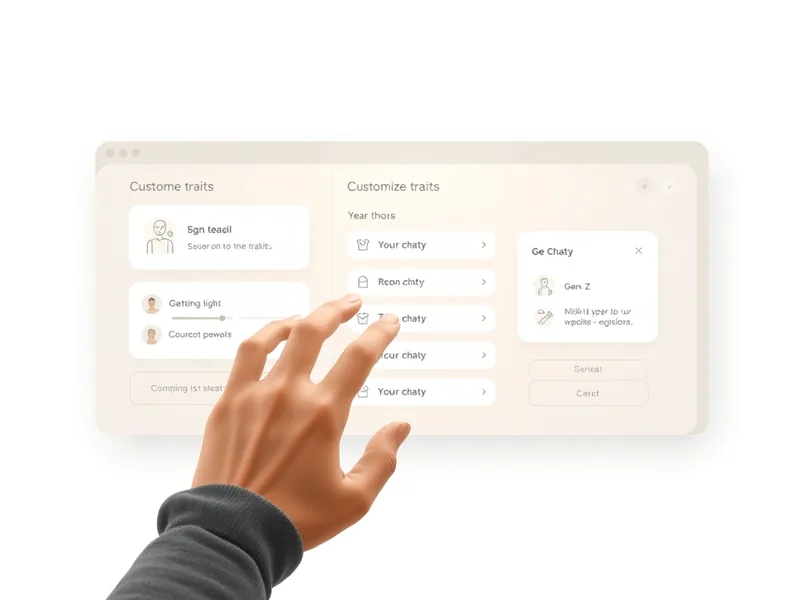
Initial user feedback has been positive, with many appreciating the ability to customize their AI interactions. However, some users have raised concerns about the potential for these traits to be misused or to create a less professional environment in business settings. OpenAI will need to balance the benefits of personalization with the need for appropriate and contextually relevant communication.
The customizable traits feature presents several opportunities for OpenAI:
OpenAI's introduction of customizable traits in ChatGPT is a strategic move that addresses the growing demand for personalized AI interactions. While there are risks associated with this feature, the potential benefits in terms of user engagement and market appeal make it a promising development. As OpenAI continues to refine and expand these options, the future of AI-powered chatbots looks increasingly dynamic and user-centric.
Tags
Original Sources
About the author
Marcus began tracking AI's market implications in 2016, noticing AI-related patent filings accelerating ahead of earnings upgrades before most of the sell-side had caught on. A former fixed-income quantitative analyst, he spent two decades building models that priced risk across emerging markets before pivoting to cover the economic impact of AI full-time. His writing translates opaque technical developments into clear risk/reward terms — and he's rarely diplomatic about the gap between AI valuations and underlying fundamentals. He believes most market participants still underestimate AI's long-run deflationary effect on knowledge work.
More from The Analyst →This Week's Edition
13 January 2025
29 articles
Related Articles

Rosarium Health Partners With Anthem Medi-Cal to Fund Home Modifications for Older Californians
Products & Applications · 5 min

Meta's new open-weight model runs on Macs, if you have 1TB of RAM to spare
Products & Applications · 5 min

Persona AI Bets on Calm Execution in a Noisy Humanoid Robotics Market
Products & Applications · 5 min
Related Articles
Rosarium Health Partners With Anthem Medi-Cal to Fund Home Modifications for Older Californians
Products & Applications · 5 min
Meta's new open-weight model runs on Macs, if you have 1TB of RAM to spare
Products & Applications · 5 min
Persona AI Bets on Calm Execution in a Noisy Humanoid Robotics Market
Products & Applications · 5 min
More Stories
© 2026 Cedar & Bloom. All rights reserved.
