The Drum · Weekly AI news, freeSubscribe →

Share
The pharmacy giant is taking legal action against a new Tennessee law that bars out-of-state pharmacy benefit managers from owning pharmacies, arguing it limits patient options and increases drug costs.
CVS has filed a lawsuit challenging a new Tennessee law designed to prevent pharmacy benefit managers (PBMs) from owning pharmacies within the state. Republican Governor Bill Lee signed the Freedom, Access and Integrity in Registered Pharmacy (FAIR Rx) Act into law last week, making Tennessee the latest state to enact such legislation. The Tennessee Pharmacists Association argues that this law brings greater transparency and fairness to the market.
“We are grateful to Gov. Bill Lee and our General Assembly for taking a stand against the greedy corporate interests of PBMs and helping to restore a system that protects patients, healthcare providers, and the pharmacies that care for their communities,” said Anthony Pudlo, CEO of the Tennessee Pharmacists Association, in a statement.
However, CVS contends that the law is specifically aimed at out-of-state companies like itself, while favoring in-state organizations. The company operates 136 pharmacy locations across Tennessee, serving nearly 1.5 million people who rely on CVS to fill their prescriptions. According to the lawsuit, independent pharmacies and Tennessee lawmakers have complained about this "lawful competition" rather than competing directly for customer share.
In a statement to Fierce Healthcare, a CVS spokesperson emphasized the company's commitment to its customers in Tennessee: “We will exhaust all options we can to continue to provide pharmacy and healthcare services. This unconstitutional law puts special interests and local politics ahead of patients, restricting their access to life-saving medications and undermining fair competition.”
The debate over PBM ownership is part of a broader national conversation about the role of PBMs in the pharmaceutical supply chain. Bipartisan lawmakers have introduced similar bills at the federal level, aiming to address concerns that vertical integration within the industry can lead to conflicts of interest and higher drug prices.
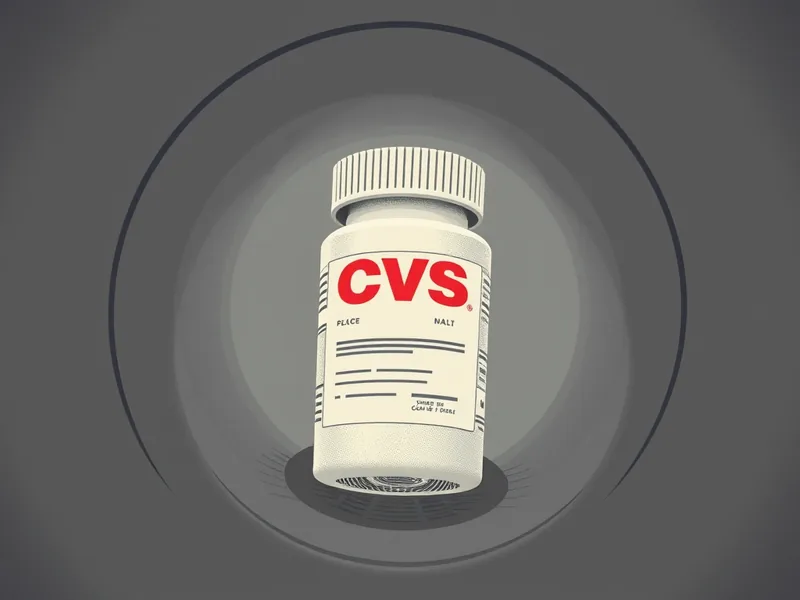
CVS argues that S.B. 2040 is designed to target CVS Health specifically, rather than protect patients. “Tennessee lawmakers crafted the law to exclude CVS Health’s pharmacy operations while protecting in-state pharmacy businesses,” the company said in its lawsuit. “There’s no way around the fact that this legislation will limit patients’ options and increase the cost of their medicines.”
The Tennessee Pharmacists Association, on the other hand, maintains that the law is necessary to ensure a level playing field for all pharmacies. They argue that when PBMs own pharmacies, they can manipulate the system to favor their own interests, often at the expense of patients and smaller, independent pharmacies.
The legal battle between CVS and Tennessee could have far-reaching implications for both the state's healthcare landscape and the broader regulatory environment for PBMs. If the law is upheld, it could set a precedent for other states considering similar legislation, potentially reshaping how pharmaceutical benefits are managed across the country.
For patients in Tennessee, the outcome of this lawsuit could determine their access to affordable medications and the range of pharmacy options available to them. As the case moves forward, stakeholders on both sides will be closely watching to see whether the law stands or falls, and what that means for the future of healthcare in the state and beyond.
The coming months will likely bring more legal arguments and potential appeals, as CVS continues its fight to maintain its operations in Tennessee. The ultimate decision could have a significant impact on the balance between patient access and industry competition, making this a critical issue to watch in the evolving landscape of healthcare policy.
Tags
Original Sources
CVS sues to challenge Tennessee's new PBM law
↗ https://www.fiercehealthcare.com/payers/cvs-sues-challenge-tennessees-new-pbm-law
About the author
Amara's entry point into AI was an epidemiology role at a London research hospital, where she spent five years studying how digital health tools reached — or conspicuously failed to reach — underserved communities. Watching early algorithmic systems in healthcare quietly entrench existing inequalities, she redirected her career toward the systemic consequences of AI at scale. She covers AI through an unflinching lens: who benefits, who bears the cost, and what evidence actually says versus what the press release claims. Her writing is calm and precise, but she doesn't mistake balance for neutrality.
More from The Steward →This Week's Edition
3 June 2026
29 articles
Related Articles

States Race to Write the Rules for AI Sandboxes in Health Care, and Lobbyists Are Racing Right Alongside Them
Policy & Regulation · 5 min

DOJ Moves to Reward Health Care Companies That Report Their Own Fraud
Policy & Regulation · 5 min

As US Intelligence Sharing Wavers, Ukrainians Lose Precious Minutes Against Russian Missiles
Policy & Regulation · 6 min
Related Articles
States Race to Write the Rules for AI Sandboxes in Health Care, and Lobbyists Are Racing Right Alongside Them
Policy & Regulation · 5 min
DOJ Moves to Reward Health Care Companies That Report Their Own Fraud
Policy & Regulation · 5 min
As US Intelligence Sharing Wavers, Ukrainians Lose Precious Minutes Against Russian Missiles
Policy & Regulation · 6 min
More Stories
© 2026 Cedar & Bloom. All rights reserved.
