The Drum · Weekly AI news, freeSubscribe →
Share
Cruise brings back its robotaxi service to San Francisco with upgraded safety features and software tweaks, nearly a year after halting operations due to a pedestrian collision that sparked intense scrutiny and regulatory concerns.
Cruise, a leading autonomous vehicle (AV) company, has announced the return of its robotaxi service to San Francisco and surrounding areas nearly one year after a high-profile pedestrian crash. The incident, which occurred in March 2023, led to a temporary suspension of Cruise's operations in the Bay Area. Now, with enhanced safety measures and software updates, the company is cautiously reintroducing its fleet.
The return of Cruise's robotaxis is not just a rebranding effort; it involves significant technical improvements and safety protocols. Here are the key changes:
Cruise is taking a phased approach to reintroducing its robotaxis:
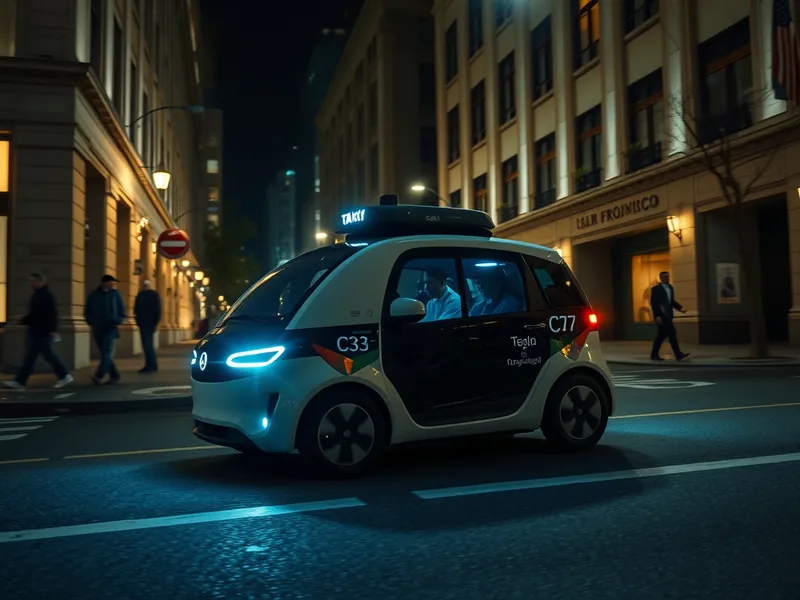
Cruise has not disclosed detailed performance benchmarks, but they claim that the new systems are significantly more reliable and safer than their previous versions. Key metrics include:
Cruise's partnership with Uber remains a crucial part of their strategy. This collaboration allows Cruise to leverage Uber's extensive ride-hailing network and data. The reintroduction of robotaxis is expected to enhance the availability and reliability of rides in the Bay Area, particularly during peak hours.
Cruise has been actively engaging with local communities and regulatory bodies to address concerns and ensure transparency. They have conducted multiple public meetings and provided detailed reports on their safety enhancements. The California Department of Motor Vehicles (DMV) has also been involved in the review process, ensuring that all new systems meet or exceed safety standards.
The return of Cruise's robotaxis to the Bay Area marks a significant step forward in the development and deployment of autonomous vehicle technology. With enhanced safety measures and a phased approach, Cruise aims to rebuild trust and demonstrate the potential of AVs in urban environments.
Tags
Original Sources
About the author
Kai built ML infrastructure at a Bay Area startup before developing an obsession with transformer architectures and inference optimisation that eventually pulled him out of product work entirely. A stint at a compute research lab sharpened his instinct for what actually matters in a model release versus what is marketing. He writes from the inside — from the perspective of someone who has debugged the systems he is describing at three in the morning. He is allergic to hype and instinctively drawn to the unglamorous plumbing questions that everyone else skips over.
More from The Engineer →This Week's Edition
20 September 2024
29 articles
Related Articles

Rosarium Health Partners With Anthem Medi-Cal to Fund Home Modifications for Older Californians
Products & Applications · 5 min

Meta's new open-weight model runs on Macs, if you have 1TB of RAM to spare
Products & Applications · 5 min

Persona AI Bets on Calm Execution in a Noisy Humanoid Robotics Market
Products & Applications · 5 min
Related Articles
Rosarium Health Partners With Anthem Medi-Cal to Fund Home Modifications for Older Californians
Products & Applications · 5 min
Meta's new open-weight model runs on Macs, if you have 1TB of RAM to spare
Products & Applications · 5 min
Persona AI Bets on Calm Execution in a Noisy Humanoid Robotics Market
Products & Applications · 5 min
More Stories
© 2026 Cedar & Bloom. All rights reserved.
