The Drum · Weekly AI news, freeSubscribe →

Share
Inspired by founder Xiaoyin Qu's childhood struggles to find support for her hobbies, Heeyo uses AI to offer personalized guidance and friendship, aiming to help a billion kids unlock their potential.
When Xiaoyin Qu was growing up in China, she had a passion for building paper airplanes that could perform acrobatic flips. Her parents, however, lacked the aerodynamic expertise to support her hobby, and her teachers were too overwhelmed to provide personalized guidance. This experience inspired Qu to create something that could help children like herself-something that would be both an educational tool and a supportive companion. Enter Heeyo, an AI chatbot designed to be a billion kids' interactive tutor and friend.
Heeyo is more than just a chatbot; it's a sophisticated AI system that aims to provide personalized learning experiences for children. The platform uses advanced natural language processing (NLP) to understand and engage with young users, offering them tailored educational content and interactive activities. Whether it’s helping a child learn how to build complex paper airplanes or guiding them through math problems, Heeyo is designed to adapt to each child's unique learning style and pace.
Heeyo has already secured significant seed funding, which will be used to further develop the platform and expand its reach. The company’s vision is ambitious: they want to make high-quality education accessible to children around the world, particularly in regions where resources are limited. By leveraging AI, Heeyo aims to bridge the educational gap and provide consistent, reliable support to young learners.
One of the most critical aspects of Heeyo's development is ensuring child safety. The company has implemented robust safeguards to protect children from inappropriate content and interactions. This includes a team of human moderators who review and flag any concerning activity, as well as advanced algorithms that can detect and prevent harmful behavior. Additionally, Heeyo is committed to maintaining user privacy and adhering to strict data protection standards.
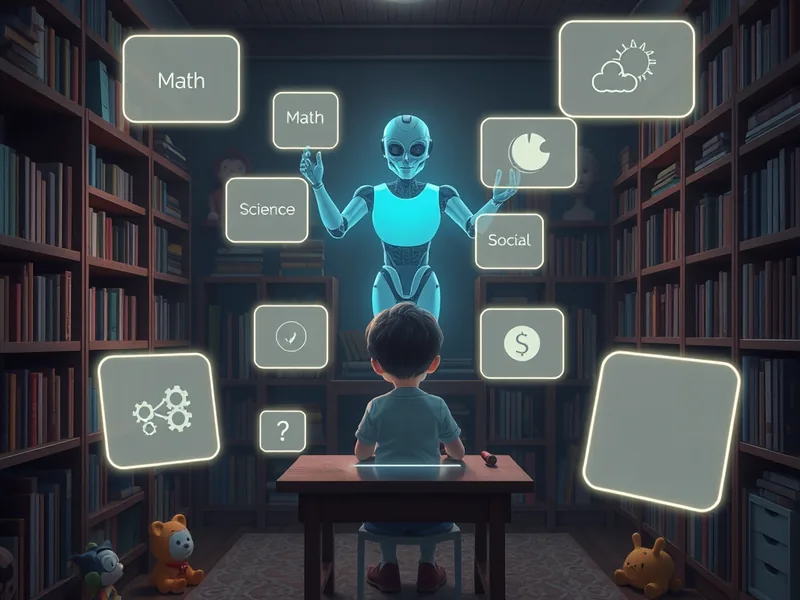
The potential benefits of Heeyo are significant. For children in underserved communities, the chatbot could provide access to educational resources they might not otherwise have. It can also offer emotional support and companionship, which is particularly valuable for children who may feel isolated or overlooked. However, there are also risks to consider. As with any AI system, there is the potential for bias and errors in content delivery. Heeyo must continue to refine its algorithms to ensure they are fair, accurate, and culturally sensitive.
The long-term impact of AI chatbots like Heeyo on education could be profound. If successful, these tools could transform how children learn, making the educational experience more engaging and effective. They could also play a crucial role in preparing young people for an increasingly digital world. However, it's important to address concerns about over-reliance on technology and the potential for AI to replace human interaction. Striking the right balance will be key to ensuring that these tools enhance, rather than diminish, the learning experience.
As Heeyo continues to grow and evolve, it represents a promising step forward in the field of educational technology. By combining advanced AI with a strong commitment to child safety and ethical standards, the platform has the potential to make a meaningful difference in the lives of millions of children. For Xiaoyin Qu, this is more than just a business venture-it's a personal mission to ensure that every child has the opportunity to explore their passions and reach their full potential.
Tags
Original Sources
About the author
Amara's entry point into AI was an epidemiology role at a London research hospital, where she spent five years studying how digital health tools reached — or conspicuously failed to reach — underserved communities. Watching early algorithmic systems in healthcare quietly entrench existing inequalities, she redirected her career toward the systemic consequences of AI at scale. She covers AI through an unflinching lens: who benefits, who bears the cost, and what evidence actually says versus what the press release claims. Her writing is calm and precise, but she doesn't mistake balance for neutrality.
More from The Steward →This Week's Edition
2 August 2024
29 articles
Related Articles

Rosarium Health Partners With Anthem Medi-Cal to Fund Home Modifications for Older Californians
Products & Applications · 5 min

Meta's new open-weight model runs on Macs, if you have 1TB of RAM to spare
Products & Applications · 5 min

Persona AI Bets on Calm Execution in a Noisy Humanoid Robotics Market
Products & Applications · 5 min
Related Articles
Rosarium Health Partners With Anthem Medi-Cal to Fund Home Modifications for Older Californians
Products & Applications · 5 min
Meta's new open-weight model runs on Macs, if you have 1TB of RAM to spare
Products & Applications · 5 min
Persona AI Bets on Calm Execution in a Noisy Humanoid Robotics Market
Products & Applications · 5 min
More Stories
© 2026 Cedar & Bloom. All rights reserved.
