The Drum · Weekly AI news, freeSubscribe →

Share
The Centers for Medicare and Medicaid Services (CMS) is set to introduce sweeping changes to how it pays for clinical artificial intelligence and remote patient monitoring, reshaping the future of healthcare technology.
The Centers for Medicare and Medicaid Services (CMS) has proposed significant changes to its payment models for clinical artificial intelligence (AI) and remote patient monitoring (RPM). These updates aim to better align payments with the evolving landscape of health tech, ensuring that Medicare beneficiaries have access to innovative care while maintaining fiscal responsibility. The proposals, which could go into effect as early as 2027, are likely to impact both healthcare providers and technology companies.
The stakes are high for patients, providers, and the broader healthcare ecosystem. For millions of older Americans and those with chronic conditions, these changes could mean more efficient and effective care. However, they also raise important questions about equity, privacy, and the long-term sustainability of health tech solutions.
At the heart of the CMS proposal are two key areas: clinical AI and remote patient monitoring. For clinical AI, the agency is looking to introduce a new payment structure that accounts for the ongoing development and maintenance costs of these systems. Currently, many AI tools are reimbursed through existing codes, which may not fully capture the value or complexity of these technologies.
"AI in healthcare has the potential to revolutionize how we diagnose and treat patients," said Dr. Sarah Thompson, a health policy expert at the University of California, San Francisco. "But for it to be effective, we need payment models that support continuous innovation and improvement."
For remote patient monitoring, CMS is proposing more flexible billing options to encourage broader adoption. This includes allowing providers to bill for RPM services in conjunction with other telehealth visits, which could make it easier for patients to receive comprehensive care from the comfort of their homes.
"Remote patient monitoring can significantly improve outcomes for people with chronic conditions," explained Dr. John Lee, a cardiologist at Harvard Medical School. "By making billing more straightforward, we can ensure that more patients benefit from these technologies."
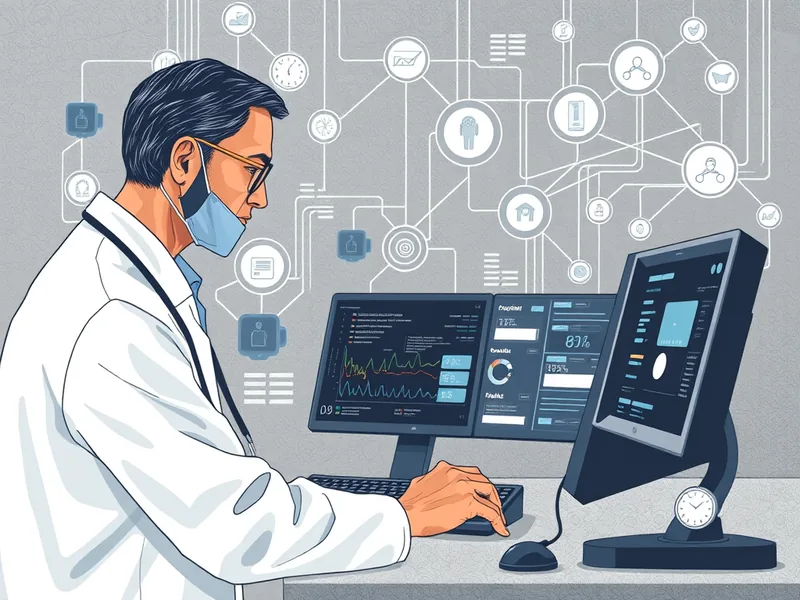
The proposed changes by CMS have far-reaching implications for the healthcare system. For patients, particularly those in rural or underserved areas, these updates could mean better access to cutting-edge care without the need for frequent in-person visits. This is especially crucial as the population continues to age and the demand for chronic disease management grows.
For providers, the new payment models offer a more sustainable way to integrate advanced technologies into their practices. This could lead to improved patient outcomes and reduced healthcare costs over time. However, there are also concerns about the potential for increased administrative burdens and the need for ongoing training to effectively use these tools.
The tech industry stands to gain from these changes as well, but it must navigate a complex regulatory landscape. Companies developing AI and RPM solutions will need to demonstrate not only clinical effectiveness but also financial viability under the new payment structures.
"Health tech companies have a unique opportunity to shape the future of healthcare," said Jane Smith, CEO of HealthTech Innovations. "But they must work closely with regulators and providers to ensure that these technologies are both beneficial and sustainable."
As CMS moves forward with these proposals, it will be crucial to balance innovation with oversight. Ensuring that AI and RPM tools are safe, effective, and equitable is essential for building trust among patients and providers alike.
The coming months will see a period of public comment and stakeholder engagement, providing an opportunity for all parties to voice their concerns and suggestions. The final rules, expected to be released in early 2027, will set the stage for how these technologies are integrated into Medicare and, by extension, the broader healthcare system.
For now, the proposed changes represent a significant step toward modernizing healthcare payment models. As we continue to navigate this transition, it is clear that the future of healthcare is being shaped by technology, policy, and the needs of those who rely on it most.
Tags
Original Sources
Medicare wants to shake up how it pays for clinical AI
↗ https://www.statnews.com/2026/07/16/medicare-shake-clinical-ai-rpm-payments-health-tech
About the author
Amara's entry point into AI was an epidemiology role at a London research hospital, where she spent five years studying how digital health tools reached — or conspicuously failed to reach — underserved communities. Watching early algorithmic systems in healthcare quietly entrench existing inequalities, she redirected her career toward the systemic consequences of AI at scale. She covers AI through an unflinching lens: who benefits, who bears the cost, and what evidence actually says versus what the press release claims. Her writing is calm and precise, but she doesn't mistake balance for neutrality.
More from The Steward →This Week's Edition
20 July 2026
29 articles
Related Articles

States Race to Write the Rules for AI Sandboxes in Health Care, and Lobbyists Are Racing Right Alongside Them
Policy & Regulation · 5 min

DOJ Moves to Reward Health Care Companies That Report Their Own Fraud
Policy & Regulation · 5 min

As US Intelligence Sharing Wavers, Ukrainians Lose Precious Minutes Against Russian Missiles
Policy & Regulation · 6 min
Related Articles
States Race to Write the Rules for AI Sandboxes in Health Care, and Lobbyists Are Racing Right Alongside Them
Policy & Regulation · 5 min
DOJ Moves to Reward Health Care Companies That Report Their Own Fraud
Policy & Regulation · 5 min
As US Intelligence Sharing Wavers, Ukrainians Lose Precious Minutes Against Russian Missiles
Policy & Regulation · 6 min
More Stories
© 2026 Cedar & Bloom. All rights reserved.
