The Drum · Weekly AI news, freeSubscribe →

Share
Meta’s decision to allow its Llama team to train on copyrighted material has plunged the company into a copyright lawsuit, challenging the industry's approach to data usage and sparking wider debates about AI ethics and legality.
In a move that has ignited fresh debates over the ethical and legal boundaries of artificial intelligence (AI) training, Mark Zuckerberg, CEO of Meta, reportedly gave the green light to the company’s Llama AI team to use copyrighted materials for their models. This decision is at the heart of a growing controversy, as plaintiffs in a copyright lawsuit allege that Meta utilized pirated e-books and articles to train its AI systems.
The case, known as Kadrey v. Meta, is just one of many legal battles tech giants are facing over the use of copyrighted content in AI development. At stake are not only the rights of authors and publishers but also the broader implications for innovation and intellectual property in the digital age.
For creators and content producers, the use of their work without permission or compensation can feel like a violation of their labor and creativity. On the other hand, tech companies argue that access to vast datasets is crucial for advancing AI capabilities, which could lead to significant benefits in fields such as healthcare, education, and more.
To understand the controversy, it's helpful to break down the process of training an AI model. Imagine a child learning to read. They start with simple books, gradually moving on to more complex texts. Similarly, AI models learn by analyzing large amounts of data. In this case, Meta’s Llama team is accused of using copyrighted e-books and articles-essentially, giving their AI the equivalent of advanced literature without asking for permission.
The plaintiffs in the lawsuit argue that Meta's use of pirated content infringes on copyright laws. They claim that Zuckerberg’s approval to proceed with this training method is a clear indication of the company’s disregard for intellectual property rights. This case could set a precedent for how tech companies handle copyrighted materials in the future.
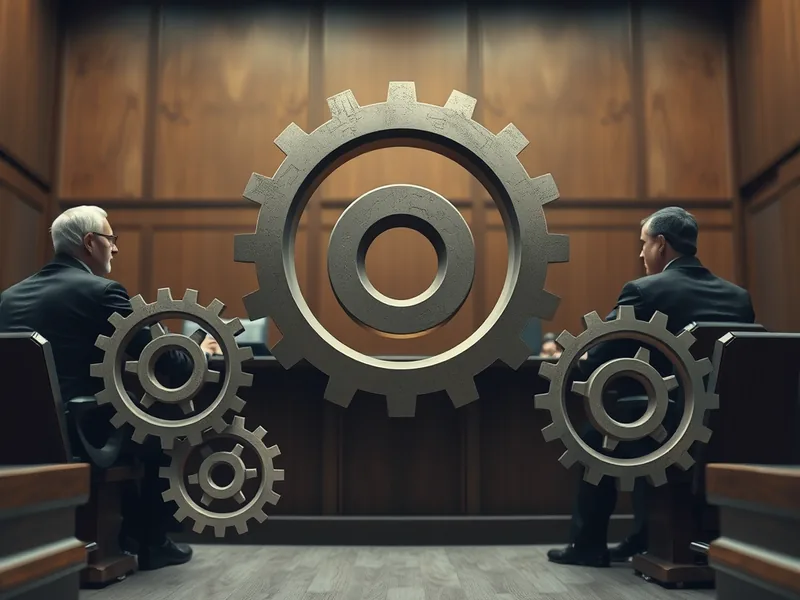
The outcome of this lawsuit could have far-reaching consequences. If Meta is found guilty, it might face significant financial penalties and be forced to alter its AI training practices. Conversely, if the court rules in favor of Meta, it could open the door for other tech companies to use copyrighted content more freely, potentially undermining the value of creative work.
The tension between innovation and intellectual property is not new, but the rise of AI has brought it into sharp focus. On one side, there's the argument that strict copyright laws could stifle technological progress. On the other, there’s the concern that lax enforcement could devalue the work of creators.
As this legal drama unfolds, it’s crucial for all stakeholders-tech companies, content creators, and policymakers-to engage in constructive dialogue. Finding a balance where innovation can thrive without compromising the rights of creators is essential. This might involve developing new licensing models or exploring ways to compensate authors and publishers for the use of their work in AI training.
The Kadrey v. Meta case highlights the complex interplay between technology, ethics, and law. As we navigate these waters, it’s important to remember that the goal should be to foster an environment where both innovation and creativity can flourish.
Tags
Original Sources
About the author
Amara's entry point into AI was an epidemiology role at a London research hospital, where she spent five years studying how digital health tools reached — or conspicuously failed to reach — underserved communities. Watching early algorithmic systems in healthcare quietly entrench existing inequalities, she redirected her career toward the systemic consequences of AI at scale. She covers AI through an unflinching lens: who benefits, who bears the cost, and what evidence actually says versus what the press release claims. Her writing is calm and precise, but she doesn't mistake balance for neutrality.
More from The Steward →This Week's Edition
10 January 2025
29 articles
Related Articles

States Race to Write the Rules for AI Sandboxes in Health Care, and Lobbyists Are Racing Right Alongside Them
Policy & Regulation · 5 min

DOJ Moves to Reward Health Care Companies That Report Their Own Fraud
Policy & Regulation · 5 min

As US Intelligence Sharing Wavers, Ukrainians Lose Precious Minutes Against Russian Missiles
Policy & Regulation · 6 min
Related Articles
States Race to Write the Rules for AI Sandboxes in Health Care, and Lobbyists Are Racing Right Alongside Them
Policy & Regulation · 5 min
DOJ Moves to Reward Health Care Companies That Report Their Own Fraud
Policy & Regulation · 5 min
As US Intelligence Sharing Wavers, Ukrainians Lose Precious Minutes Against Russian Missiles
Policy & Regulation · 6 min
More Stories
© 2026 Cedar & Bloom. All rights reserved.
