The Drum · Weekly AI news, freeSubscribe →

Share
As radiologists face burnout and workforce shortages, AI tools must fit into their existing workflows to truly make a difference in patient care.
In the world of medical imaging, radiologists are on the front lines. They interpret scans, diagnose conditions, and guide treatment plans. But these specialists are also among the most overworked and stressed healthcare professionals, facing systemic burnout and workforce shortages. AI tools promise to alleviate some of this burden by automating routine tasks and providing critical insights. However, for radiologists to embrace these tools, developers must create solutions that integrate seamlessly into their existing workflows.
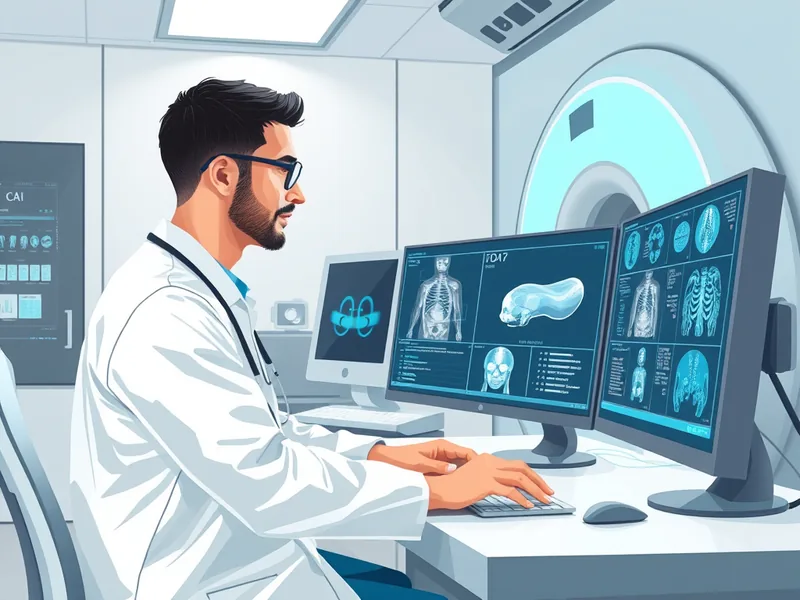
The core of a radiologist's workflow is spread across multiple platforms: the picture archiving and communication system (PACS), report dictation software, electronic health records, and the Radiology Information System. These programs are displayed on several monitors, allowing radiologists to access current cases, prior medical histories, worklists, reports, and dictation software simultaneously. This setup is already complex, and adding standalone AI tools can further disrupt their workflow.
Radiologists often find themselves juggling multiple screens to review a single case. Each additional program they need to open or switch between adds to the cognitive load and increases the time spent on each task. For example, opening a web browser or separate application to use an AI tool can take valuable seconds that add up over the course of a day. These extra clicks and context switches not only slow down the process but also increase cognitive stress, which is already high due to the demanding nature of their work.
AI tools that require radiologists to manually enter information into their reports further exacerbate this issue. This manual data entry takes time and can lead to errors, negating some of the benefits AI is supposed to bring. Pop-up alerts from non-integrated AI tools can clutter the screen, interfering with the diagnostic process and potentially leading to missed findings.
Creating imaging AI tools that integrate with existing workflows isn't just about reducing clinician frustration; it's also about improving patient care and outcomes. When AI tools are seamlessly integrated, radiologists can access critical insights without leaving their primary work environment. This reduces the risk of errors and ensures that "findings" from AI tools are actionable and useful.
For instance, AI algorithms that can prioritize urgent cases by flagging them within the radiologist's existing worklist can significantly improve response times. Similarly, AI tools that provide real-time guidance on image interpretation can help radiologists catch subtle signs of disease that might otherwise be overlooked.
The broader context of AI in healthcare also highlights the importance of integration. Artificial intelligence is already embedded across modern healthcare, from analyzing imaging to flagging medication risks and summarizing research. For these tools to be effective, they must understand the specific contexts in which they are used. A generic answer can explain symptoms or conditions, but healthcare decisions often depend on a patient's unique medical history and current condition.
For AI to truly support radiologists and improve patient care, developers must prioritize integration with existing workflows. By doing so, they can help reduce burnout, enhance diagnostic accuracy, and ultimately make the lives of these critical healthcare professionals a bit easier.
Tags
Original Sources
Radiologists Need AI That Works Where They Work, Not Standalone Software - MedCity News
↗ https://medcitynews.com/2026/06/radiologists-need-ai-that-works-where-they-work-not-standalone-software
About the author
Amara's entry point into AI was an epidemiology role at a London research hospital, where she spent five years studying how digital health tools reached — or conspicuously failed to reach — underserved communities. Watching early algorithmic systems in healthcare quietly entrench existing inequalities, she redirected her career toward the systemic consequences of AI at scale. She covers AI through an unflinching lens: who benefits, who bears the cost, and what evidence actually says versus what the press release claims. Her writing is calm and precise, but she doesn't mistake balance for neutrality.
More from The Steward →This Week's Edition
6 July 2026
28 articles
Related Articles

Payerset Bets on AI Research Assistant to Make Price Transparency Data Usable
Products & Applications · 6 min

Prime Therapeutics Links Medical and Pharmacy Benefits to Tame Specialty Drug Costs
Products & Applications · 5 min

Neighbours Goes Vertical: RoseBerry's Microdrama Bet Tests Whether Legacy TV Fits a Cheap New Format
Products & Applications · 5 min
Related Articles
Payerset Bets on AI Research Assistant to Make Price Transparency Data Usable
Products & Applications · 6 min
Prime Therapeutics Links Medical and Pharmacy Benefits to Tame Specialty Drug Costs
Products & Applications · 5 min
Neighbours Goes Vertical: RoseBerry's Microdrama Bet Tests Whether Legacy TV Fits a Cheap New Format
Products & Applications · 5 min
More Stories
© 2026 Cedar & Bloom. All rights reserved.
