The Drum · Weekly AI news, freeSubscribe →

Share
Amazon and Microsoft's backing of export restrictions on Nvidia raises tensions in the AI industry, positioning them against a supplier they heavily rely on and underscoring the strategic value of semiconductor control in technological competition.
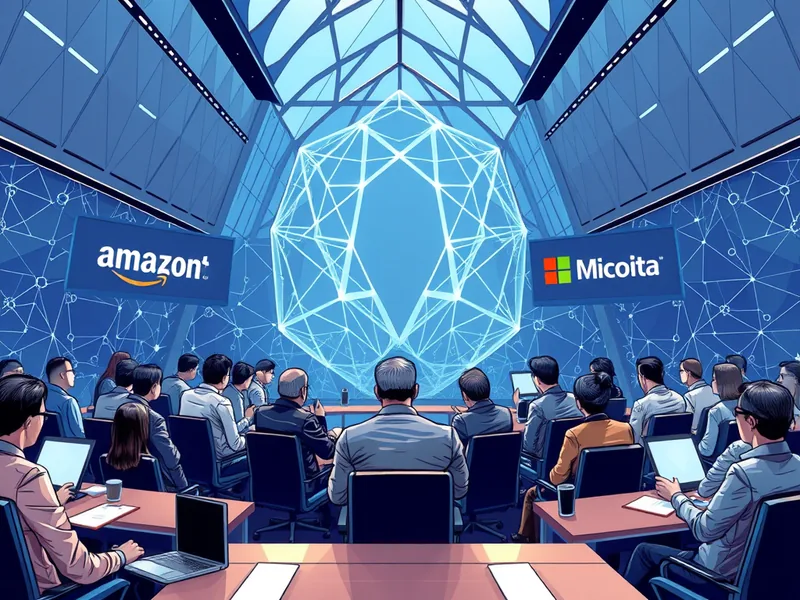
In a significant shift that underscores the competitive landscape of artificial intelligence (AI), tech giants Amazon and Microsoft have thrown their support behind legislation aimed at restricting Nvidia’s exports to China. This move, which pits two major customers against one of their primary suppliers, highlights the intense competition in the AI sector and the strategic importance of chip access.
Nvidia currently dominates the market for AI processors, controlling roughly 80% of this critical technology. The proposed legislation would require chip manufacturers like Nvidia to prioritize meeting U.S. demand before exporting chips to other countries, including China. This could have far-reaching implications for both the global tech industry and international relations.
The stakes are high for both American companies and the broader tech ecosystem. For Amazon and Microsoft, securing preferential access to AI chips is crucial for maintaining their competitive edge in a rapidly evolving market. These chips are the backbone of advanced AI systems, which are increasingly vital for everything from cloud computing services to autonomous vehicles.
However, the proposed restrictions also raise concerns about the impact on global trade and technological cooperation. China is a significant market for Nvidia, and limiting access could have economic repercussions for both countries. Additionally, such measures could lead to retaliatory actions or further geopolitical tensions.
The decision by Amazon and Microsoft to support these restrictions reflects the fierce nature of the AI race. Both companies are heavily invested in developing advanced AI technologies and need a steady supply of high-performance chips to stay ahead of competitors. By backing legislation that prioritizes U.S. demand, they aim to ensure a stable and reliable source of these critical components.
Nvidia, on the other hand, is fighting for access to the lucrative Chinese market despite security concerns raised by the U.S. government. The company has been a leader in developing AI processors and has significant investments in China. Restricting exports could limit its ability to capitalize on this growing market and potentially slow down its innovation efforts.
The debate over these restrictions touches on broader issues of national security and technological innovation. Proponents argue that prioritizing U.S. demand for AI chips is essential for maintaining a strategic advantage in the global tech race. They cite concerns about China’s growing influence in advanced technologies and the potential risks to U.S. economic and military interests.
However, critics warn that such measures could stifle innovation by limiting collaboration and access to diverse talent and resources. The tech industry thrives on open exchange and cooperation, and restricting exports could lead to a fragmented ecosystem where different regions develop their own isolated technologies.
The long-term consequences of these restrictions are uncertain but significant. If the legislation is passed, it could reshape the global AI landscape by creating new barriers to entry and altering the dynamics of international tech partnerships. Companies that rely on access to advanced AI chips may need to adjust their strategies and potentially seek alternative sources or develop their own in-house solutions.
For consumers, these changes could impact the availability and cost of AI-driven products and services. The ripple effects of such policies extend beyond the tech industry, affecting everything from healthcare to education and beyond.
The support of Amazon and Microsoft for legislation that restricts Nvidia’s exports to China is a clear sign of the high stakes in the AI race. While it may offer short-term advantages to these companies, the broader implications for global trade, innovation, and cooperation are complex and far-reaching. As the debate continues, policymakers will need to carefully balance the interests of national security with the benefits of an open and collaborative tech ecosystem.
Tags
Original Sources
About the author
Amara's entry point into AI was an epidemiology role at a London research hospital, where she spent five years studying how digital health tools reached — or conspicuously failed to reach — underserved communities. Watching early algorithmic systems in healthcare quietly entrench existing inequalities, she redirected her career toward the systemic consequences of AI at scale. She covers AI through an unflinching lens: who benefits, who bears the cost, and what evidence actually says versus what the press release claims. Her writing is calm and precise, but she doesn't mistake balance for neutrality.
More from The Steward →This Week's Edition
14 November 2025
29 articles
Related Articles

States Race to Write the Rules for AI Sandboxes in Health Care, and Lobbyists Are Racing Right Alongside Them
Policy & Regulation · 5 min

DOJ Moves to Reward Health Care Companies That Report Their Own Fraud
Policy & Regulation · 5 min

As US Intelligence Sharing Wavers, Ukrainians Lose Precious Minutes Against Russian Missiles
Policy & Regulation · 6 min
Related Articles
States Race to Write the Rules for AI Sandboxes in Health Care, and Lobbyists Are Racing Right Alongside Them
Policy & Regulation · 5 min
DOJ Moves to Reward Health Care Companies That Report Their Own Fraud
Policy & Regulation · 5 min
As US Intelligence Sharing Wavers, Ukrainians Lose Precious Minutes Against Russian Missiles
Policy & Regulation · 6 min
More Stories
© 2026 Cedar & Bloom. All rights reserved.
