The Drum · Weekly AI news, freeSubscribe →

Share
From at-home coronavirus tests to advanced lab work, consumer diagnostics are reshaping how we manage our health. Here’s why this trend is here to stay.
The rise of consumer diagnostics has been one of the most significant shifts in healthcare since the onset of the COVID-19 pandemic. When at-home testing for the virus became a necessity, it catalyzed a broader movement towards remote and self-administered health monitoring. According to a report by Clarkston Consulting, this trend is far from over; it's just beginning. The global remote diagnostics market is projected to reach $653 billion by 2033.
The pandemic accelerated the adoption of telehealth and at-home testing, but other factors have also played crucial roles in the growth of consumer diagnostics. These include a push for remote solutions, an increased focus on preventive healthcare, efforts to combat antimicrobial resistance, and a drive towards more affordable diagnostic options. The result is a sector that not only meets immediate health needs but also empowers individuals to take control of their well-being.
Technological advancements have been the driving force behind this revolution. Innovations in gene sequencing, bioinformatics, big data, and artificial intelligence (AI) have made it possible to develop diagnostic tools that are faster, more accurate, and more accessible than ever before. For instance, Function Health, an Austin-based company, offers consumers access to over 160 different lab tests, ranging from hormone levels to heart health, immunity, and metabolism. The company recently secured $450 million in growth funding from General Catalyst, signaling the market's confidence in this sector.
Another notable player is NOWDiagnostics, which raised $22.5 million in a Series B funding round in 2024 and appointed Lisa Nibauer as CEO this year. Nibauer brings extensive experience from her role as president of diagnostics at OraSure Technologies, further solidifying the company's commitment to innovation and transformation.
The benefits of consumer diagnostics are multifaceted. Patients can receive test results more quickly, reducing anxiety and enabling faster treatment decisions. These tools often come with lower costs compared to traditional in-clinic testing, making healthcare more accessible to a broader population. For example, the market for COVID-19 antigen testing kits has seen unprecedented growth, driven by the urgent need for rapid, reliable testing options.
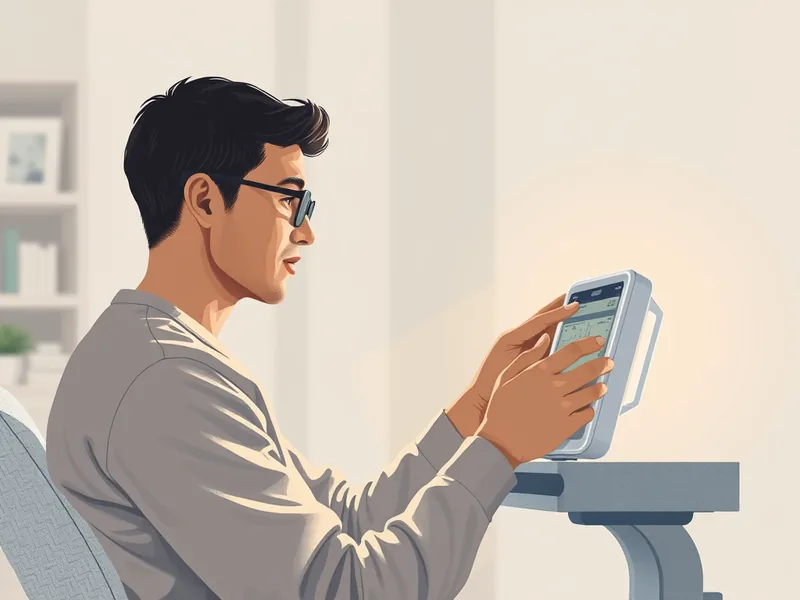
The rise of consumer diagnostics is not just about convenience; it's about empowering individuals and improving overall health outcomes. By giving people the tools to monitor their own health, we can shift the focus from reactive to preventive care. This proactive approach can lead to early detection of diseases, better management of chronic conditions, and ultimately, a healthier population.
However, this trend also comes with challenges. Data security and privacy are significant concerns, as sensitive health information is often involved. Ensuring that these tools are accurate and reliable is crucial, as incorrect results can have serious consequences. Regulatory bodies will need to keep pace with technological advancements to protect consumers while fostering innovation.
The future of consumer diagnostics looks promising, but it requires a balanced approach. By addressing the risks and leveraging the benefits, we can create a healthcare system that truly puts patients at the center. The INVEST Digital Health conference in Dallas this October will delve deeper into these issues, providing a platform for industry leaders to discuss the future of consumer diagnostics and how they can continue to transform healthcare.
The rise of consumer diagnostics is a testament to the power of technology and innovation in improving public health. As we move forward, it's essential to ensure that these tools are accessible, accurate, and secure. By doing so, we can empower individuals to take charge of their health and build a more resilient healthcare system for all.
Tags
Original Sources
The Rise of Consumer Diagnostics and Emerging Trends - MedCity News
↗ https://medcitynews.com/2026/08/the-rise-of-consumer-diagnostics-and-emerging-trends
About the author
Amara's entry point into AI was an epidemiology role at a London research hospital, where she spent five years studying how digital health tools reached — or conspicuously failed to reach — underserved communities. Watching early algorithmic systems in healthcare quietly entrench existing inequalities, she redirected her career toward the systemic consequences of AI at scale. She covers AI through an unflinching lens: who benefits, who bears the cost, and what evidence actually says versus what the press release claims. Her writing is calm and precise, but she doesn't mistake balance for neutrality.
More from The Steward →This Week's Edition
24 August 2026
25 articles
Related Articles

DARPA's RSGS Program Aims to Put a Repair Robot in Geosynchronous Orbit
Products & Applications · 5 min

Text-Message AI Agents Multiply as Instinct's $10B Valuation Draws a Crowded Field
Products & Applications · 5 min

In a New York Times Songwriting Contest, AI Lost. The Details Explain Why
Products & Applications · 5 min
Related Articles
DARPA's RSGS Program Aims to Put a Repair Robot in Geosynchronous Orbit
Products & Applications · 5 min
Text-Message AI Agents Multiply as Instinct's $10B Valuation Draws a Crowded Field
Products & Applications · 5 min
In a New York Times Songwriting Contest, AI Lost. The Details Explain Why
Products & Applications · 5 min
More Stories
© 2026 Cedar & Bloom. All rights reserved.
