The Drum · Weekly AI news, freeSubscribe →

Share
New machine-learning tools are transforming how we identify early signs of Alzheimer’s, potentially giving patients and healthcare providers a critical head start.
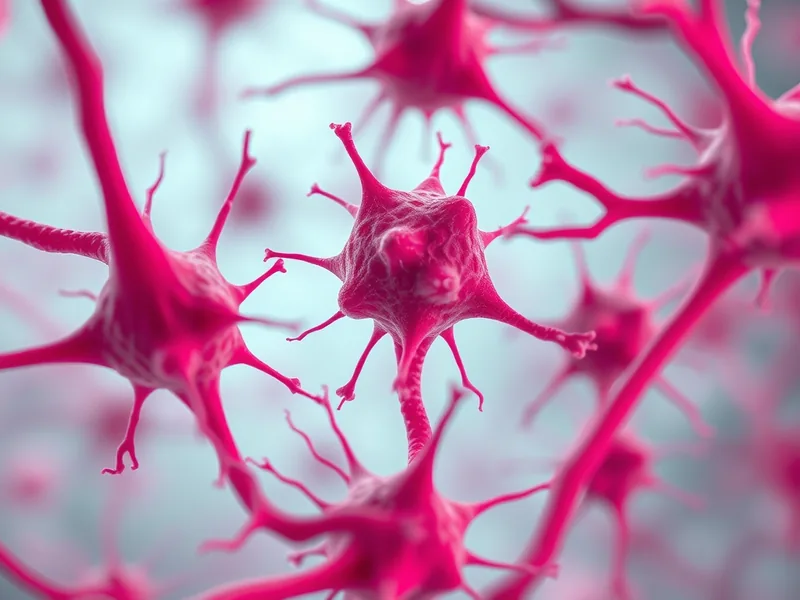
For decades, the diagnosis of Alzheimer’s disease has been a race against time. By the time memory and thinking problems become noticeable, significant brain damage has often already occurred. Amyloid plaques and tau tangles, the hallmarks of Alzheimer’s, can accumulate for years before symptoms emerge, severely limiting the effectiveness of interventions introduced after patients or families grow concerned.
However, recent advancements in artificial intelligence (AI) are changing this narrative. Researchers have developed AI tools that can analyze brief digital interactions to identify early signs of cognitive impairment and Alzheimer’s biology, potentially years before traditional symptoms appear. This shift could revolutionize how we approach brain health, offering a more proactive and scalable solution.
AI tools have shown remarkable potential in extracting multiple layers of insight from assessments that last just a few minutes. By using machine-learning models, these tools can analyze simple tasks to generate estimates of cognitive impairment, predict the probability of amyloid positivity, and enhance the performance of blood-based biomarkers.
For example, during a routine office visit, a brief digital assessment could help clinicians determine who needs additional testing, specialty referral, or closer follow-up. This is particularly valuable given the ongoing shortage of neurologists and neuropsychologists, which often results in long wait times for cognitive evaluations.
Tiffany Cabasso, Operations Director at Kyan Health and a psychologist, explains, "AI tools can capture rich behavioral data that conventional paper-based tests miss. These digital assessments provide multiple actionable insights from a single test, making them incredibly useful for primary care clinicians and health systems."
Conventional cognitive screening tools were designed to detect established impairment, not the earliest behavioral manifestations of neurodegenerative disease. Paper-based tests have shown little sensitivity to early changes, which is where AI-analyzed digital behavior shines.
Dr. Cabasso notes, "Digital assessments can reveal subtle changes in cognitive function that are often missed by traditional methods. This early detection can be crucial for initiating timely interventions and slowing the progression of the disease."
The implications of these advancements are significant. According to the University of California, San Francisco (UCSF), nearly 7 million Americans are affected by Alzheimer’s disease. By the time patients notice memory problems, they have already lost substantial brain volume and cognitive function that cannot be recovered.
A long-term study following thousands of older adults found that early detection can lead to better outcomes. Early intervention can help manage symptoms, improve quality of life, and potentially delay the onset of more severe stages of the disease.
The ability to detect Alzheimer’s years before symptoms appear is a game-changer for both patients and healthcare providers. For patients, it means the opportunity to start interventions that could slow or even halt the progression of the disease. For healthcare providers, it offers a scalable solution to address the growing burden of neurodegenerative diseases.
Early detection can significantly reduce the emotional and financial toll on families. By identifying Alzheimer’s in its earliest stages, patients and their loved ones can better prepare for the future, making informed decisions about care and support.
As AI continues to advance, the potential for even more sophisticated and accurate diagnostic tools is within reach. This progress not only promises better outcomes for individuals but also contributes to a broader understanding of neurodegenerative diseases, paving the way for new treatments and therapies.
In a world where Alzheimer’s remains a leading cause of disability and death among older adults, these AI-driven breakthroughs offer hope and a path forward. By leveraging technology to detect disease earlier, we can take significant steps toward improving brain health and enhancing the lives of millions.
Tags
Original Sources
Spotting Alzheimer’s Years Earlier Through AI and Clinically Meaningful Insights - MedCity News
↗ https://medcitynews.com/2026/07/spotting-alzheimers-years-earlier-through-ai-and-clinically-meaningful-insights
About the author
Amara's entry point into AI was an epidemiology role at a London research hospital, where she spent five years studying how digital health tools reached — or conspicuously failed to reach — underserved communities. Watching early algorithmic systems in healthcare quietly entrench existing inequalities, she redirected her career toward the systemic consequences of AI at scale. She covers AI through an unflinching lens: who benefits, who bears the cost, and what evidence actually says versus what the press release claims. Her writing is calm and precise, but she doesn't mistake balance for neutrality.
More from The Steward →This Week's Edition
6 August 2026
25 articles
Related Articles

Study Finds Pharmacy Care Coordination Cuts Hospitalizations for Cancer Patients
Health & Science · 5 min

A Decade-Late Diagnosis Sparked a New Model for Funding Precision Health
Health & Science · 5 min

Stanford Scientists Grow Mice With Nearly Half-Human Brains, Reviving Old Ethical Questions
Health & Science · 5 min
Related Articles
Study Finds Pharmacy Care Coordination Cuts Hospitalizations for Cancer Patients
Health & Science · 5 min
A Decade-Late Diagnosis Sparked a New Model for Funding Precision Health
Health & Science · 5 min
Stanford Scientists Grow Mice With Nearly Half-Human Brains, Reviving Old Ethical Questions
Health & Science · 5 min
More Stories
© 2026 Cedar & Bloom. All rights reserved.
