The Drum · Weekly AI news, freeSubscribe →

Share
UK artists and writers fear government plans will strip them of control over their work, potentially benefiting AI competitors, as they warn of the dangers of weakening copyright protections in an era of rapid technological change.
More than 2,000 of the UK’s leading cultural figures, including acclaimed authors Mark Haddon and Michael Rosen, have issued a stern warning to the government. They are urging policymakers to reconsider plans that could undermine copyright protections, effectively handing over their life's work to AI-driven competitors.
In an open letter published in The Observer, these creatives highlight the potential risks of loosening copyright rules, particularly as artificial intelligence (AI) continues to advance and reshape various industries. The signatories, which include illustrator Axel Scheffler and children’s author Benji Davies, argue that such changes could jeopardize the livelihoods of artists and writers, who rely on these protections for a sustainable income.
The stakes are high for creatives in the UK. Copyright laws serve as a crucial safeguard, ensuring that artists and authors can earn a living from their work. These laws also play a vital role in preserving cultural heritage, allowing future generations to benefit from and build upon past creative achievements. However, the rise of AI and the government's proposed changes threaten this balance.
The UK government is considering an exemption that would allow AI systems to use copyrighted material without permission or compensation. This proposal has been met with significant opposition from creatives who fear it could lead to their work being exploited by large technology companies, often based abroad, for profit.
Sir Elton John, a prominent figure in the music industry, has also spoken out against the proposal. In a recent interview, he warned that the changes "would devastate our creative community" while primarily benefiting powerful foreign tech giants. Joan Armatrading and Simon Cowell have echoed similar concerns, emphasizing the potential long-term harm to the UK's cultural sector.
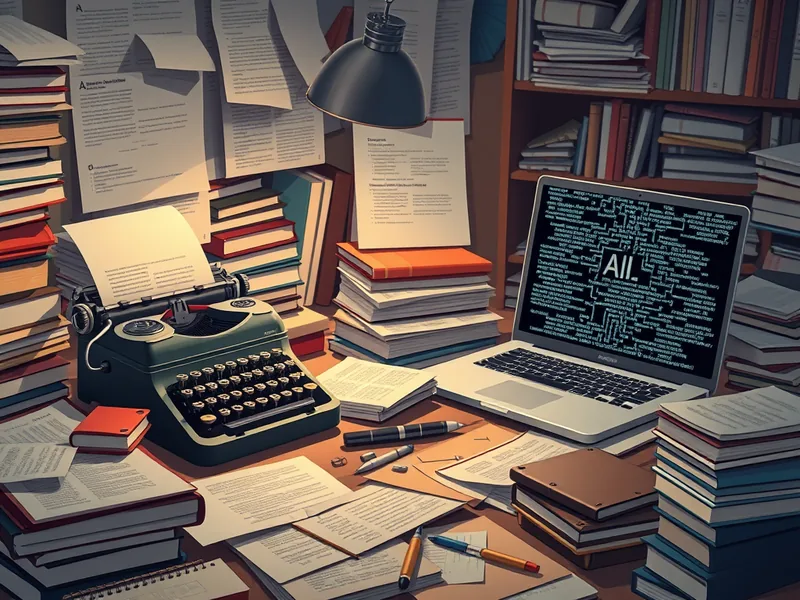
For creatives like Axel Scheffler, whose illustrations have brought beloved characters to life in children’s books, the prospect of their work being used without consent or compensation is deeply troubling. "Our creative skills and original art are not just products; they are a part of our lives and identities," Scheffler stated. "We need legal protections that ensure we can continue to create and thrive."
Michael Rosen, a renowned children’s author, further explained the broader implications: "If AI systems can freely use our work without any form of compensation, it not only undermines individual artists but also erodes the cultural fabric that makes the UK a hub for creativity. This is about more than just money; it's about preserving the integrity and vibrancy of our creative industries."
While the government aims to promote innovation and technological advancement, it must also consider the long-term consequences of its policies. The letter from creatives suggests that there are ways to foster AI development without sacrificing the rights and livelihoods of artists and writers.
One possible approach is to establish clear guidelines for how AI systems can use copyrighted material, ensuring fair compensation and preventing exploitation. This could involve creating a licensing framework or other mechanisms that balance the interests of both creators and tech companies.
The debate over copyright and AI is far from settled. As policymakers continue to grapple with these issues, it is essential to listen to the voices of those most directly affected-creatives who have dedicated their lives to enriching our cultural landscape.
The letter from Haddon, Rosen, Scheffler, and others serves as a powerful reminder that protecting intellectual property rights is not just a legal issue; it is a moral imperative. By safeguarding these rights, the government can ensure that the UK remains a vibrant and sustainable hub for creative talent.
Tags
Original Sources
About the author
Amara's entry point into AI was an epidemiology role at a London research hospital, where she spent five years studying how digital health tools reached — or conspicuously failed to reach — underserved communities. Watching early algorithmic systems in healthcare quietly entrench existing inequalities, she redirected her career toward the systemic consequences of AI at scale. She covers AI through an unflinching lens: who benefits, who bears the cost, and what evidence actually says versus what the press release claims. Her writing is calm and precise, but she doesn't mistake balance for neutrality.
More from The Steward →This Week's Edition
26 February 2025
29 articles
Related Articles
States Race to Write the Rules for AI Sandboxes in Health Care, and Lobbyists Are Racing Right Alongside Them
Policy & Regulation · 5 min
DOJ Moves to Reward Health Care Companies That Report Their Own Fraud
Policy & Regulation · 5 min
As US Intelligence Sharing Wavers, Ukrainians Lose Precious Minutes Against Russian Missiles
Policy & Regulation · 6 min
Related Articles
States Race to Write the Rules for AI Sandboxes in Health Care, and Lobbyists Are Racing Right Alongside Them
Policy & Regulation · 5 min
DOJ Moves to Reward Health Care Companies That Report Their Own Fraud
Policy & Regulation · 5 min
As US Intelligence Sharing Wavers, Ukrainians Lose Precious Minutes Against Russian Missiles
Policy & Regulation · 6 min
More Stories
© 2026 Cedar & Bloom. All rights reserved.
