The Drum · Weekly AI news, freeSubscribe →

Share
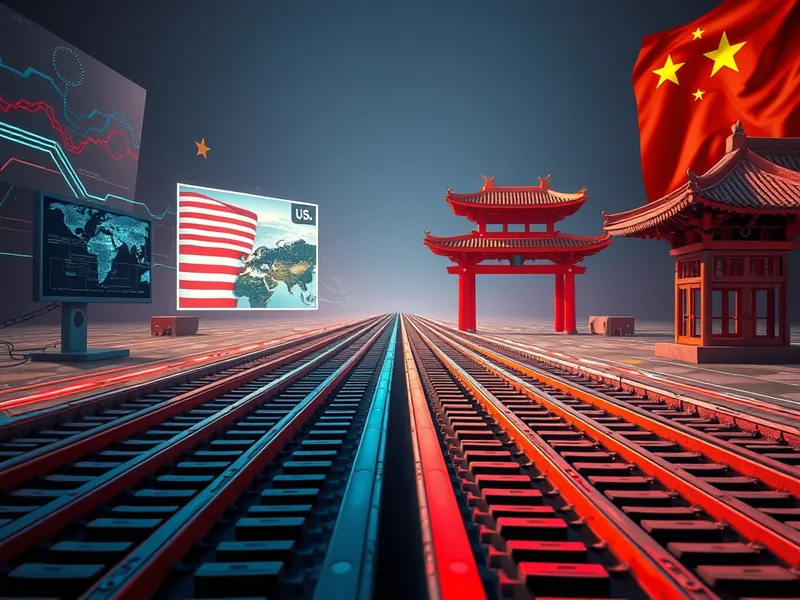
As U.S. Regulators scrutinize AI chatbots for dependency risks, China updates its guidelines to address cultural impacts like challenging traditional family roles, highlighting diverging approaches to ethical AI governance.
The U.S. Federal Trade Commission (FTC) launched an inquiry into seven major tech companies, including Meta, OpenAI, and Character AI, over concerns that AI chatbot companions may prompt users to form unhealthy dependencies, particularly among children and teens. This move came just days after China released its updated AI Safety Governance Framework 2.0, which explicitly lists addiction to anthropomorphized interaction as a top ethical risk. The framework also cites the potential for AI companions to challenge traditional social norms, including views on family-making and childbearing.
The contrasting regulatory approaches of the U.S. and China highlight the influence of cultural values and market dynamics on the development and deployment of AI companion technologies. In the U.S., concerns are primarily centered around user safety and mental health, particularly for younger users. In contrast, China's regulations reflect a broader concern about the potential social and demographic impacts of these technologies.
U.S. Concerns: User Safety and Dependency
China Concerns: Social Order and Demographics
American Market: Personalized Companionship
Chinese Market: Functional and Social Companions
The divergent approaches to AI companion regulation in the U.S. and China are deeply rooted in each country's cultural values and regulatory frameworks. In the U.S., individualism and personal freedom are paramount, leading to a focus on protecting users from potential harm. In China, collectivism and social stability take precedence, resulting in regulations that aim to preserve traditional social norms.
The differing regulatory landscapes also reflect broader geopolitical tensions between the U.S. and China. As both countries vie for leadership in AI technology, their regulatory approaches will shape the global market and set standards for AI development and deployment.
Tags
Original Sources
About the author
Marcus began tracking AI's market implications in 2016, noticing AI-related patent filings accelerating ahead of earnings upgrades before most of the sell-side had caught on. A former fixed-income quantitative analyst, he spent two decades building models that priced risk across emerging markets before pivoting to cover the economic impact of AI full-time. His writing translates opaque technical developments into clear risk/reward terms — and he's rarely diplomatic about the gap between AI valuations and underlying fundamentals. He believes most market participants still underestimate AI's long-run deflationary effect on knowledge work.
More from The Analyst →This Week's Edition
13 October 2025
29 articles
Related Articles

States Race to Write the Rules for AI Sandboxes in Health Care, and Lobbyists Are Racing Right Alongside Them
Policy & Regulation · 5 min

DOJ Moves to Reward Health Care Companies That Report Their Own Fraud
Policy & Regulation · 5 min

As US Intelligence Sharing Wavers, Ukrainians Lose Precious Minutes Against Russian Missiles
Policy & Regulation · 6 min
Related Articles
States Race to Write the Rules for AI Sandboxes in Health Care, and Lobbyists Are Racing Right Alongside Them
Policy & Regulation · 5 min
DOJ Moves to Reward Health Care Companies That Report Their Own Fraud
Policy & Regulation · 5 min
As US Intelligence Sharing Wavers, Ukrainians Lose Precious Minutes Against Russian Missiles
Policy & Regulation · 6 min
More Stories
© 2026 Cedar & Bloom. All rights reserved.
