The Drum · Weekly AI news, freeSubscribe →

Share
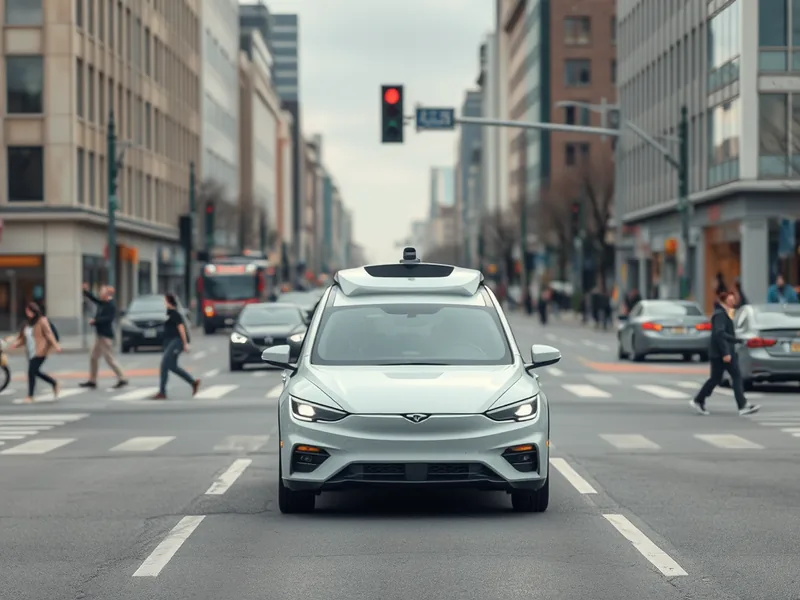
Waymo's study with Swiss Re shows its self-driving cars cause less injuries and property damage than human drivers, paving the way for more widespread acceptance of AV tech on public roads.
Waymo’s autonomous vehicles (AVs) have demonstrated a superior safety record compared to human-driven vehicles, according to a recent study conducted in collaboration with insurer Swiss Re. The analysis, which covers 25.3 million fully autonomous miles driven by Waymo across four major cities-Phoenix, San Francisco, Los Angeles, and Austin-reveals significant improvements in both injury prevention and property damage reduction.
The findings are crucial for the broader adoption of autonomous vehicle technology. Safety is a paramount concern for consumers, regulators, and insurance companies alike. By showcasing that AVs can outperform human drivers in critical safety metrics, Waymo provides compelling evidence to support the case for wider deployment of this technology. This could lead to fewer traffic fatalities and reduced property damage, ultimately lowering insurance costs and enhancing public confidence.
While the data is promising, several risks and challenges remain:
The potential benefits of widespread AV deployment are substantial:
Waymo's collaboration with Swiss Re provides robust evidence that autonomous vehicles can significantly outperform human drivers in terms of safety. This data is a critical step towards building public trust and regulatory support for AVs. As the technology continues to evolve, it holds the promise of transforming transportation by making our roads safer and more efficient.
Tags
Original Sources
About the author
Marcus began tracking AI's market implications in 2016, noticing AI-related patent filings accelerating ahead of earnings upgrades before most of the sell-side had caught on. A former fixed-income quantitative analyst, he spent two decades building models that priced risk across emerging markets before pivoting to cover the economic impact of AI full-time. His writing translates opaque technical developments into clear risk/reward terms — and he's rarely diplomatic about the gap between AI valuations and underlying fundamentals. He believes most market participants still underestimate AI's long-run deflationary effect on knowledge work.
More from The Analyst →This Week's Edition
24 December 2024
24 articles
Related Articles

xAI Launches Grok Bot, an Autonomous Agent That Logs Into Your Tools and Does the Work
Products & Applications · 5 min

Robotics Experts Pour Cold Water on Tesla's Optimus Debut
Products & Applications · 5 min

Replit Swaps Anthropic for OpenAI as Default Model, Muddying a Lucrative Partnership
Products & Applications · 5 min
Related Articles
xAI Launches Grok Bot, an Autonomous Agent That Logs Into Your Tools and Does the Work
Products & Applications · 5 min
Robotics Experts Pour Cold Water on Tesla's Optimus Debut
Products & Applications · 5 min
Replit Swaps Anthropic for OpenAI as Default Model, Muddying a Lucrative Partnership
Products & Applications · 5 min
More Stories
© 2026 Cedar & Bloom. All rights reserved.
