The Drum · Weekly AI news, freeSubscribe →

Share
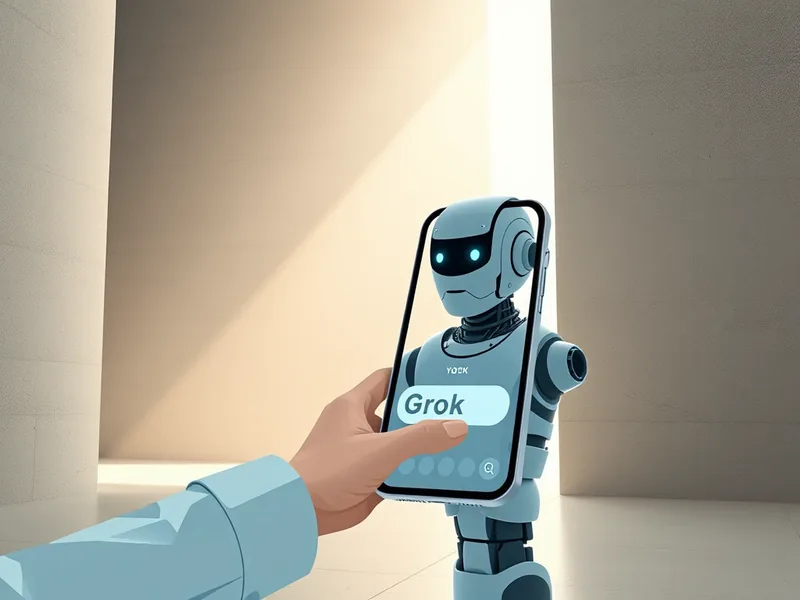
As Elon Musk pushes X deeper into AI territory, premium users will soon have access to the company’s Grok chatbot, signaling a shift towards leveraging advanced technology to boost platform engagement and loyalty.
Elon Musk, CEO of X (formerly known as Twitter), announced on Tuesday that all premium subscribers on the platform will gain access to the AI chatbot Grok this week. The move follows xAI's decision earlier in March to open-source its large language model, also named Grok.
This development is significant for several reasons. First, it represents a strategic shift by X to integrate advanced AI capabilities directly into its platform, potentially enhancing user engagement and retention. Second, the availability of Grok to premium subscribers underscores X's commitment to providing value-added services that justify subscription fees. Finally, the open-sourcing of Grok’s underlying technology could foster a broader ecosystem of developers and users contributing to the improvement and expansion of AI applications.
While the introduction of Grok to premium subscribers is a positive step, several risks must be considered:
The integration of Grok into X presents several opportunities:
Grok is a large language model developed by xAI, which has been open-sourced to encourage collaboration and innovation. The chatbot will be accessible to all premium subscribers of X, providing them with a powerful tool for generating content, engaging in conversations, and accessing information.
Musk's announcement on X highlights the company’s commitment to leveraging AI to enhance user experience. "Grok will become available to Premium subscribers this week," Musk stated, emphasizing the immediate availability of the feature.
The rollout of Grok to premium subscribers is a strategic move by X to integrate advanced AI capabilities into its platform. While there are risks associated with data privacy and content moderation, the potential benefits in terms of user engagement and monetization make this an important development for both the company and its users.
Tags
Original Sources
About the author
Marcus began tracking AI's market implications in 2016, noticing AI-related patent filings accelerating ahead of earnings upgrades before most of the sell-side had caught on. A former fixed-income quantitative analyst, he spent two decades building models that priced risk across emerging markets before pivoting to cover the economic impact of AI full-time. His writing translates opaque technical developments into clear risk/reward terms — and he's rarely diplomatic about the gap between AI valuations and underlying fundamentals. He believes most market participants still underestimate AI's long-run deflationary effect on knowledge work.
More from The Analyst →This Week's Edition
27 March 2024
29 articles
Related Articles

Rosarium Health Partners With Anthem Medi-Cal to Fund Home Modifications for Older Californians
Products & Applications · 5 min

Meta's new open-weight model runs on Macs, if you have 1TB of RAM to spare
Products & Applications · 5 min

Persona AI Bets on Calm Execution in a Noisy Humanoid Robotics Market
Products & Applications · 5 min
Related Articles
Rosarium Health Partners With Anthem Medi-Cal to Fund Home Modifications for Older Californians
Products & Applications · 5 min
Meta's new open-weight model runs on Macs, if you have 1TB of RAM to spare
Products & Applications · 5 min
Persona AI Bets on Calm Execution in a Noisy Humanoid Robotics Market
Products & Applications · 5 min
More Stories
© 2026 Cedar & Bloom. All rights reserved.
