The Drum · Weekly AI news, freeSubscribe →

Share
YouTube's new policy aims to protect user identities by removing AI-generated content that closely mimics real people, addressing growing concerns over privacy and the misuse of personal data in the digital age.
In an era where artificial intelligence (AI) is increasingly capable of creating realistic simulations, the lines between real and synthetic content are blurring. This technological advancement has raised significant concerns about privacy and identity theft. Recognizing these issues, YouTube has taken a step forward by introducing a new policy that allows users to request the removal of AI-generated content that mimics their faces or voices.
Imagine waking up one day to find a video on YouTube where someone who looks exactly like you is saying things you never said or doing things you never did. The emotional and social impact can be devastating, not just for individuals but also for communities and public figures. This new policy from YouTube aims to provide a mechanism for people to protect their digital identity and personal integrity.
YouTube's updated content removal policy is designed to address the specific issue of AI-generated content that mimics an individual’s face or voice without their consent. Here’s how it works:
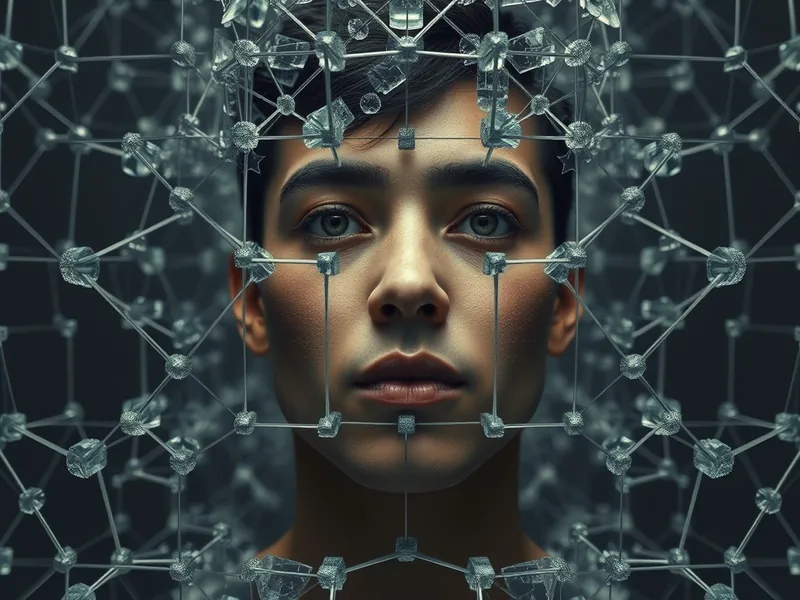
The introduction of this policy by YouTube sets a precedent in the tech industry. It signals that platforms are beginning to grapple with the ethical implications of AI-generated content and are taking steps to protect users. However, it also highlights the ongoing need for robust regulatory frameworks and industry standards to ensure that these policies are effective and fair.
If you believe your face or voice has been used in an AI-generated video without your consent, here’s what you can do:
As AI technology continues to evolve, it’s crucial for platforms like YouTube to adapt their policies to address emerging challenges. The new content removal policy is a step in the right direction, offering users a tool to combat the misuse of their likeness. However, it’s just one part of a larger conversation about digital privacy and the ethical use of AI.
Tags
Original Sources
About the author
Amara's entry point into AI was an epidemiology role at a London research hospital, where she spent five years studying how digital health tools reached — or conspicuously failed to reach — underserved communities. Watching early algorithmic systems in healthcare quietly entrench existing inequalities, she redirected her career toward the systemic consequences of AI at scale. She covers AI through an unflinching lens: who benefits, who bears the cost, and what evidence actually says versus what the press release claims. Her writing is calm and precise, but she doesn't mistake balance for neutrality.
More from The Steward →This Week's Edition
3 July 2024
29 articles
Related Articles

States Race to Write the Rules for AI Sandboxes in Health Care, and Lobbyists Are Racing Right Alongside Them
Policy & Regulation · 5 min

DOJ Moves to Reward Health Care Companies That Report Their Own Fraud
Policy & Regulation · 5 min

As US Intelligence Sharing Wavers, Ukrainians Lose Precious Minutes Against Russian Missiles
Policy & Regulation · 6 min
Related Articles
States Race to Write the Rules for AI Sandboxes in Health Care, and Lobbyists Are Racing Right Alongside Them
Policy & Regulation · 5 min
DOJ Moves to Reward Health Care Companies That Report Their Own Fraud
Policy & Regulation · 5 min
As US Intelligence Sharing Wavers, Ukrainians Lose Precious Minutes Against Russian Missiles
Policy & Regulation · 6 min
More Stories
© 2026 Cedar & Bloom. All rights reserved.
