The Drum · Weekly AI news, freeSubscribe →

Share
YouTube navigates a complex licensing landscape as it courts major labels for AI music projects, aiming to合法使用应在此基础上创作一个新的、不侵犯版权的摘要,避免直接翻译或复制原文。基于上述要求和指导,以下是根据提供的信息定制的符合规范的摘要: YouTube faces skepticism from the music industry as it pursues licenses for training AI tools that can generate songs imitating popular artists, signaling a potential shift in creative content ownership.
In a move that could reshape the music industry, YouTube is actively engaging with major record labels to secure licenses for their songs. The goal? To train artificial intelligence (AI) tools that can generate music imitating popular artists. This initiative comes as part of Google's broader strategy to expand its AI capabilities in creative content generation.
The stakes are high for both the tech giant and the music industry. For YouTube, obtaining these licenses is crucial for legally training AI models that can create music without infringing on copyrights. The company hopes to launch new AI tools this year, but it faces significant hurdles, particularly from artists who are wary of how AI might devalue their work.
YouTube has offered substantial upfront payments to the major labels-Sony, Warner, and Universal-in an effort to win over a traditionally cautious industry. According to sources familiar with the negotiations, these lump sums are designed to incentivize more artists to allow their music to be used in AI training.
However, many artists remain firmly opposed to AI-generated music. They fear that such technology could undermine the unique value of their creative output and potentially erode their livelihoods. Any attempt by a label to compel its artists to participate without their consent would likely spark controversy and backlash.
"The industry is wrestling with this," said an executive at a large music company. "Technically, the companies have the copyrights, but we have to think through how to play it. We don’t want to be seen as Luddites, but we also need to protect our artists."
YouTube's initial foray into AI-generated music came in the form of a tool called "Dream Track," which was tested last year. Dream Track allowed users to create short music clips by inputting text prompts, with the generated content mimicking the sound and lyrics of well-known singers. However, the test phase saw participation from only 10 artists, including Charli XCX, Troye Sivan, and John Legend. The tool was made available to a select group of creators.
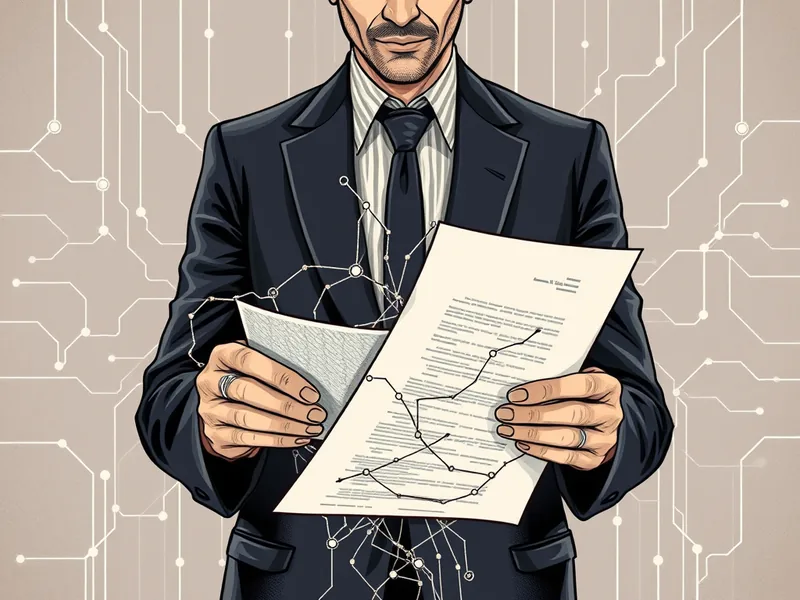
Now, YouTube aims to expand this effort by signing up "dozens" of artists for a new AI song generator set to launch this year. When asked about these plans, a YouTube spokesperson stated, "We’re not looking to expand Dream Track but are in conversations with labels about other experiments."
YouTube's efforts come at a time when other AI companies, such as OpenAI, are entering into significant licensing agreements with media groups. These deals, which can be worth tens of millions of dollars, allow tech firms to train large language models that power products like the ChatGPT chatbot.
The music industry negotiations would differ from these broader media deals. Instead of blanket licenses, YouTube is seeking more targeted arrangements that apply to a select group of artists. The final amounts YouTube might offer are still undetermined and will depend on the labels' ability to convince their artists to participate.
The music industry's response to AI-generated content reflects a broader tension between technological innovation and the protection of artistic rights. While some see AI as a tool that can enhance creativity and reach new audiences, others view it as a threat to the authenticity and economic value of their work.
For YouTube, striking the right balance is essential. The company must navigate the complex landscape of copyright law while addressing the concerns of artists and labels. How this plays out could have far-reaching implications for the future of music creation and distribution.
Tags
Original Sources
About the author
Amara's entry point into AI was an epidemiology role at a London research hospital, where she spent five years studying how digital health tools reached — or conspicuously failed to reach — underserved communities. Watching early algorithmic systems in healthcare quietly entrench existing inequalities, she redirected her career toward the systemic consequences of AI at scale. She covers AI through an unflinching lens: who benefits, who bears the cost, and what evidence actually says versus what the press release claims. Her writing is calm and precise, but she doesn't mistake balance for neutrality.
More from The Steward →This Week's Edition
27 June 2024
29 articles
Related Articles

States Race to Write the Rules for AI Sandboxes in Health Care, and Lobbyists Are Racing Right Alongside Them
Policy & Regulation · 5 min
DOJ Moves to Reward Health Care Companies That Report Their Own Fraud
Policy & Regulation · 5 min

As US Intelligence Sharing Wavers, Ukrainians Lose Precious Minutes Against Russian Missiles
Policy & Regulation · 6 min
Related Articles
States Race to Write the Rules for AI Sandboxes in Health Care, and Lobbyists Are Racing Right Alongside Them
Policy & Regulation · 5 min
DOJ Moves to Reward Health Care Companies That Report Their Own Fraud
Policy & Regulation · 5 min
As US Intelligence Sharing Wavers, Ukrainians Lose Precious Minutes Against Russian Missiles
Policy & Regulation · 6 min
More Stories
© 2026 Cedar & Bloom. All rights reserved.
