The Drum · Weekly AI news, freeSubscribe →

Share
A growing number of Americans are turning to health-related apps and devices for daily wellness management, signaling a significant shift in how we approach personal health.
Digital health tools have become an integral part of most Americans' lives, with 71% of U.S. Adults using health-related apps and 64% using health-related devices, according to a new report from Reach3 Insights. The Digital Health Trends 2026 report surveyed 1,043 people across the U.S., aged 18 and up, who used the company’s platform.
Christine Nguyen, vice president of Reach3 Insights, emphasized the emotional connection people are forming with these tools. "Digital health tools are becoming deeply integrated into how people manage their daily lives," she said in a statement. "Consumers increasingly describe these tools as part of their routines, motivation, and peace of mind."
The survey revealed that while fitness-oriented wearables saw a slight decline from 28% in 2024 to 22% in 2026, holistic wearables increased from 20% in 2024 to 24% in 2026. This shift suggests a growing interest in tracking metrics beyond just physical activity.
Biometrics (51%), physical activity (50%), and sleep (49%) were the top aspects tracked among respondents. These tools are not just about staying fit; they are becoming essential for managing overall health and well-being. The data collected can help users make informed decisions about their lifestyle, diet, and healthcare.
Despite the overall positive trend, interest in some digital health services is on the decline. Telehealth service interest decreased from 48% of respondents in 2024 to 41% in 2026. Similarly, online pharmacies, DNA testing, and other services saw a drop in interest. This could be due to various factors, including changes in healthcare policies, user satisfaction, or the emergence of new technologies.
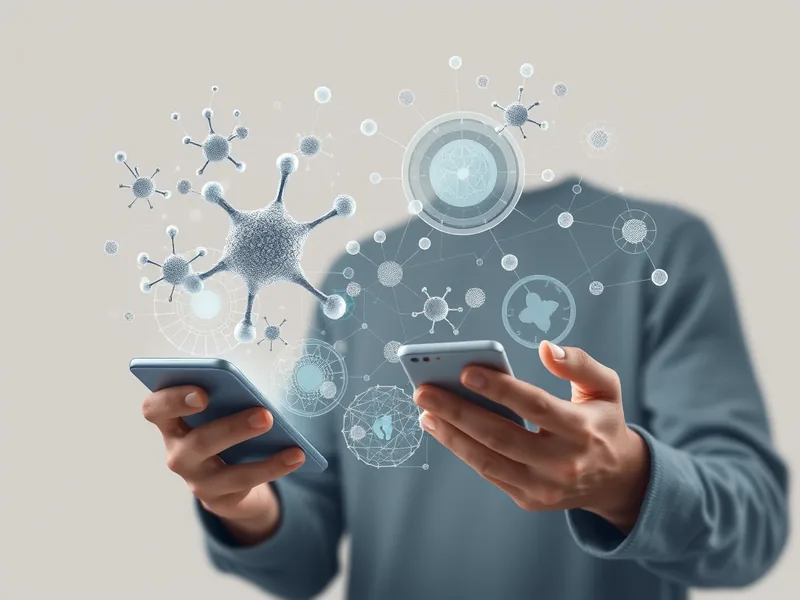
The report also highlights that a combined 88% of respondents want either more or the same amount of technology for health and wellness management over the next five to 10 years. This indicates a strong ongoing demand for digital health solutions and suggests that the industry will continue to evolve to meet these needs.
As digital health tools become more sophisticated, they have the potential to transform how we approach public health. By providing real-time data and personalized insights, these apps and devices can help individuals better manage chronic conditions, improve mental health, and enhance overall quality of life.
However, it's crucial to address concerns around data privacy and security. As more sensitive information is collected and shared, ensuring that this data is protected will be essential for maintaining user trust and adoption.
The future of digital health looks promising, with a clear trend toward more integrated and comprehensive tools. Whether through advanced wearables, AI-driven apps, or telehealth services, the goal remains the same: to empower individuals to take control of their health and well-being.
Tags
Original Sources
71% of US adults use health-related apps, 64% devices: report
↗ https://www.fiercehealthcare.com/digital-health/71-us-adults-use-health-related-apps-report
About the author
Amara's entry point into AI was an epidemiology role at a London research hospital, where she spent five years studying how digital health tools reached — or conspicuously failed to reach — underserved communities. Watching early algorithmic systems in healthcare quietly entrench existing inequalities, she redirected her career toward the systemic consequences of AI at scale. She covers AI through an unflinching lens: who benefits, who bears the cost, and what evidence actually says versus what the press release claims. Her writing is calm and precise, but she doesn't mistake balance for neutrality.
More from The Steward →This Week's Edition
22 May 2026
24 articles
Related Articles

A Heart Without Friction: Maglev Technology Moves Into Cardiac Care
Health & Science · 6 min

How a Stubborn Hiss of Radio Noise Helped Confirm the Big Bang
Health & Science · 5 min

AI Can Predict Chemotherapy Response in Aggressive Breast Cancer, But Not Yet Reliably Enough for the Clinic
Health & Science · 5 min
Related Articles
A Heart Without Friction: Maglev Technology Moves Into Cardiac Care
Health & Science · 6 min
How a Stubborn Hiss of Radio Noise Helped Confirm the Big Bang
Health & Science · 5 min
AI Can Predict Chemotherapy Response in Aggressive Breast Cancer, But Not Yet Reliably Enough for the Clinic
Health & Science · 5 min
More Stories
© 2026 Cedar & Bloom. All rights reserved.
