The Drum · Weekly AI news, freeSubscribe →
Share
Scientists have created an AI system that predicts epileptic seizures with unprecedented accuracy, offering hope for improved patient care and quality of life for millions affected by this unpredictable condition.
For individuals living with epilepsy, the unpredictability of seizures can be a constant source of anxiety and fear. However, a groundbreaking development in artificial intelligence (AI) is offering new hope. Researchers have developed an AI system that predicts epileptic seizures with 99 percent accuracy, potentially transforming patient care and quality of life.
Epilepsy affects over 50 million people worldwide, making it one of the most common neurological disorders. Seizures can occur at any time, often without warning, leading to physical injuries, social isolation, and a significant burden on mental health. The ability to predict seizures accurately could empower patients to take preventive measures, such as finding a safe place or taking medication, thereby reducing the risk of harm.
The AI system uses machine learning algorithms to analyze brain activity patterns recorded by electroencephalography (EEG) devices. These patterns are unique to each individual and can be detected hours before a seizure occurs. The system was trained on large datasets of EEG recordings from patients with epilepsy, allowing it to identify subtle changes that precede seizures.
To understand this better, imagine the brain as a symphony orchestra. Each instrument (neuron) plays its part in creating music (brain activity). When a seizure is about to occur, the instruments start to play out of tune. The AI system acts like a conductor who can detect these off-key notes and predict when the music will become chaotic.
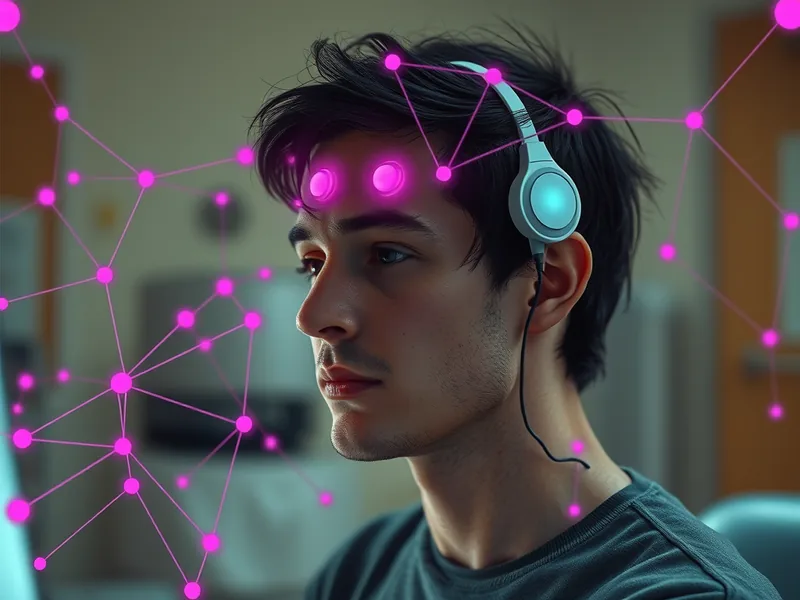
The benefits of this technology are profound. For patients, it means having more control over their condition. They can plan activities around predicted seizure times, reducing anxiety and improving their overall quality of life. Healthcare providers can use the predictions to adjust medication dosages or other treatments more effectively.
However, there are also risks to consider. The accuracy of 99 percent is impressive, but it's not perfect. False positives-predicting a seizure that doesn't occur-can lead to unnecessary stress and interventions. Conversely, false negatives-failing to predict a seizure that does occur-can have serious consequences. It's crucial for the AI system to be continuously monitored and refined to minimize these risks.
The long-term implications of this technology are significant. As it becomes more widely adopted, it could lead to a paradigm shift in how epilepsy is managed. Patients might no longer need to live with the constant fear of unexpected seizures, and healthcare systems could become more efficient by focusing resources on preventive care.
Moreover, the success of this AI system in predicting seizures opens up possibilities for its application in other neurological conditions, such as migraines or Parkinson's disease. The data-driven approach to healthcare is gaining momentum, and this development is a promising step forward.
The near-perfect accuracy of the AI system in predicting epileptic seizures represents a major breakthrough in medical technology. While it offers tremendous benefits, it also comes with responsibilities to ensure its reliability and ethical use. As we continue to advance in this field, the goal remains clear: improving the lives of those affected by epilepsy and other neurological disorders.
Tags
Original Sources
About the author
Amara's entry point into AI was an epidemiology role at a London research hospital, where she spent five years studying how digital health tools reached — or conspicuously failed to reach — underserved communities. Watching early algorithmic systems in healthcare quietly entrench existing inequalities, she redirected her career toward the systemic consequences of AI at scale. She covers AI through an unflinching lens: who benefits, who bears the cost, and what evidence actually says versus what the press release claims. Her writing is calm and precise, but she doesn't mistake balance for neutrality.
More from The Steward →This Week's Edition
29 April 2026
29 articles
Related Articles
Related Articles
More Stories
© 2026 Cedar & Bloom. All rights reserved.