The Drum · Weekly AI news, freeSubscribe →
Share
AI-driven analysis reveals a previously unknown extinct human ancestor hidden in modern DNA, reshaping our understanding of human evolution's complex interconnections.
In a groundbreaking discovery, researchers have identified the genetic signature of a third extinct human ancestor within the DNA of modern humans. This finding, made possible through advanced artificial intelligence (AI) analysis, sheds new light on the complex tapestry of human evolution and the diverse lineages that contributed to our species.
Understanding our evolutionary history is not just an academic exercise; it helps us grasp how we have adapted to different environments over millennia. This knowledge can inform fields such as medicine, public health, and even conservation efforts. For instance, knowing which genetic traits helped ancient humans survive in harsh conditions could lead to better treatments for modern diseases.
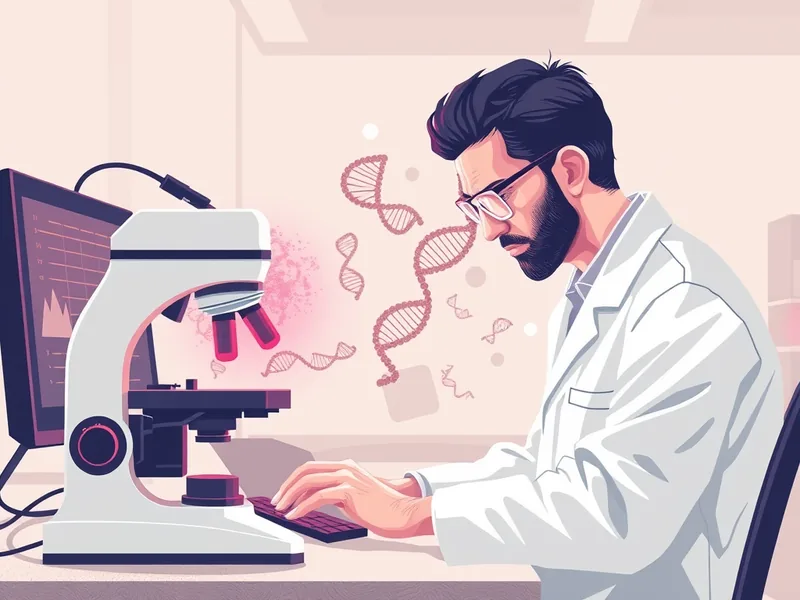
The research, conducted by a team of scientists from the University of California, Santa Cruz, and published in the journal Nature Communications, utilized AI algorithms to sift through vast amounts of genomic data. These sophisticated tools allowed researchers to detect subtle genetic patterns that would have been nearly impossible to identify using traditional methods.
Imagine you are trying to find a specific word in a massive library without any cataloging system. This task would be daunting, if not impossible. However, with an advanced search engine (analogous to AI), you can quickly locate the word and even understand its context within different books. Similarly, AI algorithms can scan through millions of genetic sequences to identify unique markers that indicate the presence of ancient human ancestors.
The newly identified ancestor is distinct from previously known extinct hominins such as Neanderthals and Denisovans. While these groups have been well-documented in the fossil record, this third ancestor has left no known physical remains, making its discovery through genetic analysis even more remarkable.
Benefits:
Risks:
This discovery has far-reaching implications for our understanding of human diversity. It suggests that the story of human evolution is more intricate than previously thought, with multiple lineages contributing to the genetic makeup of modern humans. As we continue to refine our AI tools and expand our genomic databases, we can expect even more revelations about our ancient past.
The identification of a third extinct human ancestor through AI analysis is a testament to the power of technology in advancing scientific research. It not only enriches our understanding of human evolution but also opens new avenues for exploring the genetic basis of health and disease. As we move forward, it is crucial to balance these advancements with ethical considerations and a commitment to responsible data use.
Tags
Original Sources
About the author
Amara's entry point into AI was an epidemiology role at a London research hospital, where she spent five years studying how digital health tools reached — or conspicuously failed to reach — underserved communities. Watching early algorithmic systems in healthcare quietly entrench existing inequalities, she redirected her career toward the systemic consequences of AI at scale. She covers AI through an unflinching lens: who benefits, who bears the cost, and what evidence actually says versus what the press release claims. Her writing is calm and precise, but she doesn't mistake balance for neutrality.
More from The Steward →This Week's Edition
29 April 2026
29 articles
Related Articles
Related Articles
More Stories
© 2026 Cedar & Bloom. All rights reserved.