The Drum · Weekly AI news, freeSubscribe →
Share
Researchers are harnessing AI and computer vision to fight malaria, with tools like the VectorCam app identifying disease-carrying mosquitoes more accurately than ever before.
Malaria remains a relentless foe, affecting millions of people worldwide, particularly in sub-Saharan Africa. Every year, this mosquito-borne disease claims thousands of lives, with children under five being the most vulnerable. However, there's new hope on the horizon as technology, specifically artificial intelligence (AI) and computer vision, is stepping up to help eradicate malaria once and for all.
One innovative tool leading this charge is the VectorCam app. Developed by researchers at the University of California, Riverside, and supported by organizations like the Bill & Melinda Gates Foundation, VectorCam uses AI and computer vision to identify different species of mosquitoes. This might seem like a small step, but it's a crucial one in the fight against malaria.
Not all mosquitoes are created equal. While there are thousands of mosquito species, only a handful transmit diseases like malaria. The Anopheles genus, for instance, is primarily responsible for spreading the malaria parasite. By accurately identifying these specific species, health workers can target their interventions more effectively.
Imagine you're playing a game where you need to catch a particular type of insect in a vast garden. If you don't know which one to look for, you'll waste time and resources catching the wrong ones. This is what happens without precise mosquito identification. VectorCam acts like a high-tech field guide, helping health workers focus their efforts on the right targets.
The app works by analyzing the unique patterns of mosquito wing beats. Each species has a distinct "wing beat signature," much like how different birds have unique songs. When a mosquito is detected, the app records its flight and processes the data to identify the species. This process is incredibly fast and can be done in real-time, even in remote areas with limited internet access.
The benefits of this technology are multifaceted. For one, it allows for more targeted surveillance and control measures. Instead of spraying insecticides indiscriminately, which can harm the environment and lead to resistance, health workers can focus on high-risk areas where disease-carrying mosquitoes are present.
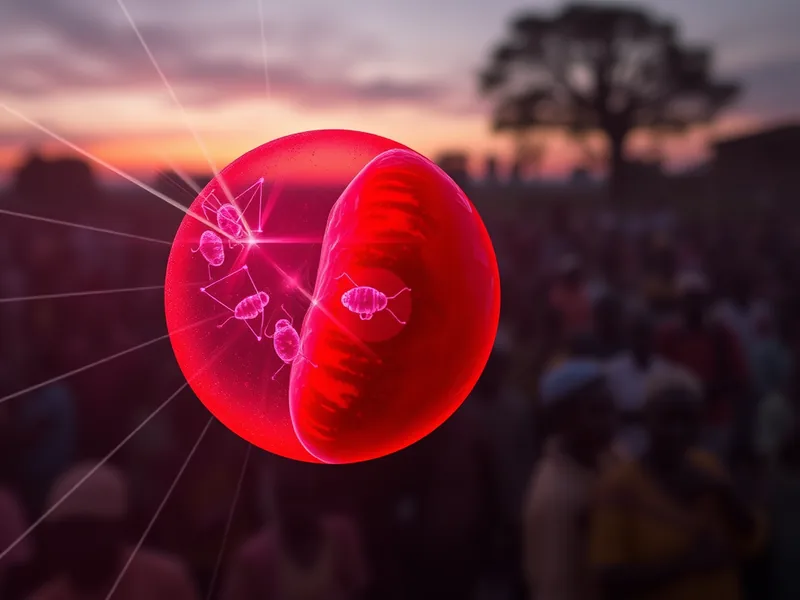
Moreover, VectorCam can help track the spread of malaria over time. By collecting data on mosquito populations, researchers can identify trends and predict outbreaks, enabling more proactive and effective public health responses.
While the potential of AI and computer vision in malaria eradication is exciting, there are also challenges to consider. One major issue is ensuring that the technology is accessible and user-friendly for health workers in resource-limited settings. Training programs and ongoing support will be essential to make sure that these tools are used effectively.
Another concern is data privacy. Collecting and analyzing large amounts of biological data raises ethical questions about how this information is stored and used. Transparent policies and robust security measures will be necessary to build trust among communities.
The ultimate goal is not just to control malaria but to eradicate it entirely. This ambitious target requires a multi-faceted approach, combining traditional methods like bed nets and insecticide treatments with cutting-edge technologies like VectorCam. By integrating these tools into comprehensive public health strategies, we can make significant strides toward a world free from the burden of malaria.
The fight against malaria is far from over, but with innovative solutions like VectorCam, we have powerful new allies in our arsenal. As we continue to refine and expand the use of AI and computer vision, we move closer to a future where no one has to suffer from this deadly disease.
Tags
Original Sources
About the author
Amara's entry point into AI was an epidemiology role at a London research hospital, where she spent five years studying how digital health tools reached — or conspicuously failed to reach — underserved communities. Watching early algorithmic systems in healthcare quietly entrench existing inequalities, she redirected her career toward the systemic consequences of AI at scale. She covers AI through an unflinching lens: who benefits, who bears the cost, and what evidence actually says versus what the press release claims. Her writing is calm and precise, but she doesn't mistake balance for neutrality.
More from The Steward →This Week's Edition
23 August 2024
29 articles
Related Articles
Related Articles
More Stories
© 2026 Cedar & Bloom. All rights reserved.