The Drum · Weekly AI news, freeSubscribe →

Share
AI technology has breathed new life into conservation efforts, spotting the elusive plains-wanderer in Melbourne for the first time in 30 years, offering a glimmer of hope for this critically endangered species.
In a quiet, sunlit field on the outskirts of Melbourne’s west, a small, ground-dwelling bird known as the plains-wanderer has been singing its unique song once again. This rediscovery after more than three decades is not just a moment of joy for conservationists; it's a beacon of hope for an entire ecosystem.
The plains-wanderer, often referred to as the ‘Goldilocks’ of the animal kingdom due to its very specific habitat requirements, has faced a precipitous decline. Over the years, their numbers have plummeted by over 85 per cent, primarily due to habitat loss, poor vegetation management, and extreme weather conditions. The species is ranked number one on the Zoological Society of London’s list of Evolutionarily Distinct and Globally Endangered birds, highlighting its unique genetic lineage and critical conservation status.
For decades, the plains-wanderer was thought to have vanished from Melbourne’s west. However, thanks to a groundbreaking collaboration between Zoos Victoria, Museums Victoria, Queensland University of Technology, and the state government’s Nature Fund, this elusive bird has been rediscovered. The key to this discovery lies in a sophisticated AI tool designed to identify the plains-wanderer's distinctive calls.
Zoos Victoria, leading the research efforts, deployed 35 audio recorders, known as "song meters," across Victoria’s Volcanic Plains. These devices are equipped with AI-powered call recognisers developed by Museums Victoria and Queensland University of Technology. The technology can sift through tens of thousands of hours of acoustic data to pinpoint the unique vocalizations of the plains-wanderer.
The journey began a few years ago when Zoos Victoria started gathering extensive acoustic data from both private and public sites. Over time, this monitoring led to the identification of plains-wanderer calls in Melbourne’s west for the first time since 1989. The monitoring will continue until the end of 2026, providing ongoing insights into the species' presence and behavior.
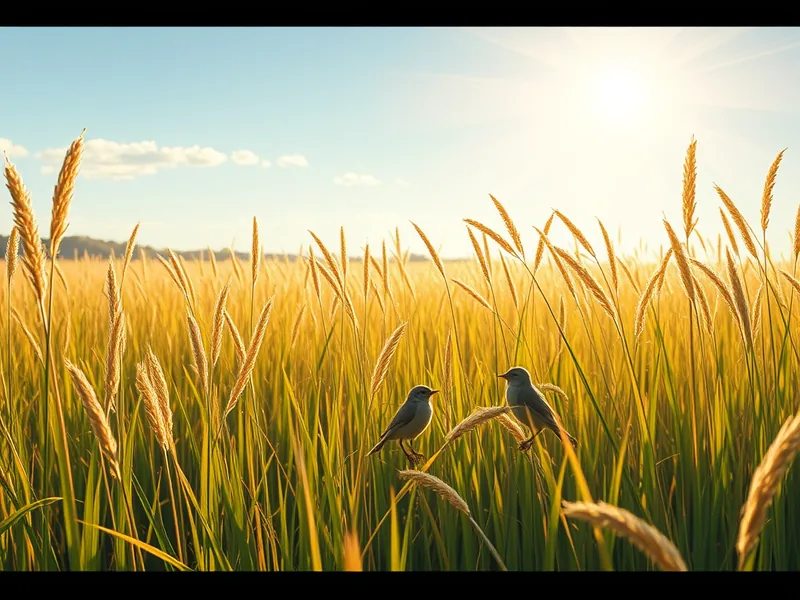
Dr. Sarah Jones, a conservation biologist at Zoos Victoria, explains the significance of this discovery: “The plains-wanderer is not just another bird; it’s a symbol of our grassland ecosystems. Its rediscovery in Melbourne’s west means we have a critical opportunity to protect and restore its habitat, which has been severely degraded over the years.”
Once widespread across Australia’s grasslands, the plains-wanderer is now found primarily in two regions: Victoria’s Northern Plains and the New South Wales Riverina. With fewer than 1,000 birds remaining in the wild, every sighting is a victory for conservation efforts.
The rediscovery also underscores the importance of preserving Melbourne’s precious grassland habitat, of which less than one per cent remains in Victoria. Dr. Jones adds, “This detection will support our future efforts to rebuild a self-sustaining wild population for the species. It’s a monumental step towards ensuring the plains-wanderer continues to thrive.”
The story of the plains-wanderer is more than just a tale of survival; it's a testament to the power of technology and human ingenuity in conservation. As we continue to face environmental challenges, this rediscovery offers a glimpse of what is possible when we combine cutting-edge tools with a deep commitment to protecting our natural world.
For the plains-wanderer and the communities that share its habitat, this discovery is just the beginning. It opens up new possibilities for research, conservation, and the restoration of one of Australia’s most unique and endangered species. The future looks brighter, thanks to the tireless efforts of those who believe in the power of hope and innovation.
Tags
Original Sources
About the author
Lena spent a decade working in international development before AI tools began showing up in the field programmes she was running — first as curiosity, then as something that genuinely changed outcomes. She writes about the moments where AI stops being a headline and starts being a lifeline: the early cancer detection in a rural clinic, the flood model that gave a village three extra days to evacuate, the translation tool that let a child speak to a doctor for the first time. She is not naive about the risks, but she believes the stories of AI doing real good deserve the same rigour and airtime as the cautionary ones.
More from The Optimist →This Week's Edition
30 April 2026
29 articles
Related Articles

Iambic Therapeutics Raises $150 Million in IPO to Fund AI-Designed Cancer Drugs
Finance & Markets · 5 min

Biotech's Summer Glow Fades as XBI Slips 11% From August Highs
Finance & Markets · 5 min

States Race to Write the Rules for AI Sandboxes in Health Care, and Lobbyists Are Racing Right Alongside Them
Policy & Regulation · 5 min
Related Articles
Iambic Therapeutics Raises $150 Million in IPO to Fund AI-Designed Cancer Drugs
Finance & Markets · 5 min
Biotech's Summer Glow Fades as XBI Slips 11% From August Highs
Finance & Markets · 5 min
States Race to Write the Rules for AI Sandboxes in Health Care, and Lobbyists Are Racing Right Alongside Them
Policy & Regulation · 5 min
More Stories
© 2026 Cedar & Bloom. All rights reserved.
