The Drum · Weekly AI news, freeSubscribe →
Share
Scientists at McMaster University have turned to AI to uncover a potent new antibiotic capable of defeating superbugs, offering hope in the fight against the growing threat of drug-resistant bacterial infections.
In a significant breakthrough for global public health, researchers at McMaster University in Canada have harnessed artificial intelligence (AI) to identify a novel antibiotic that effectively combats drug-resistant superbugs. This discovery could mark a crucial step forward in the ongoing battle against bacterial infections that are becoming increasingly difficult to treat.
Antibiotic resistance is a pressing global health issue, affecting millions of people worldwide. When bacteria evolve to resist the antibiotics designed to kill them, it can lead to prolonged illnesses, higher healthcare costs, and even death. The World Health Organization (WHO) has labeled antibiotic resistance one of the top 10 global public health threats facing humanity. This new discovery offers hope that AI can help scientists stay ahead of these evolving superbugs.
The research team at McMaster University used an advanced AI system to screen millions of compounds for their potential as antibiotics. The process is akin to a highly sophisticated detective work, where the AI sifts through vast amounts of data to identify patterns and predict which molecules might have the desired antibacterial properties.
Dr. Gregory Gloor, one of the lead researchers, explained, "The AI system we used can analyze compounds at an unprecedented speed and scale. It's like having a super-smart assistant that never gets tired and can process information far beyond what any human could do alone."
After extensive screening, the AI identified a compound called MAC-545496 as particularly promising. This new antibiotic was then tested in the lab against various drug-resistant bacteria, including some of the most dangerous superbugs like MRSA (Methicillin-resistant Staphylococcus aureus) and E. coli.
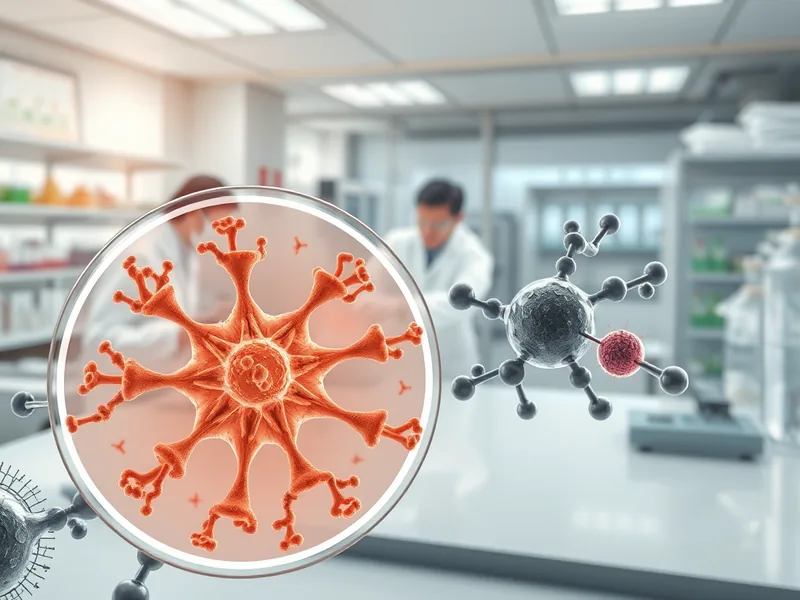
The results were impressive: MAC-545496 not only killed these resistant strains but did so without causing significant harm to human cells, a critical factor in ensuring its safety for medical use.
The potential benefits of this new antibiotic are substantial. If further clinical trials prove successful, it could provide doctors with a powerful new tool to fight infections that are currently difficult or impossible to treat. This is particularly important for patients in hospitals and long-term care facilities, where drug-resistant bacteria pose a significant threat.
However, the discovery also underscores the ongoing need for vigilance. Antibiotic resistance can develop rapidly if antibiotics are overused or misused. Therefore, responsible use and continued research into new treatments will be essential to ensure that this breakthrough remains effective in the long term.
The integration of AI into medical research is a growing trend with far-reaching implications. This discovery at McMaster University demonstrates the potential for AI to accelerate scientific progress and address complex health challenges. As more researchers adopt these technologies, we can expect to see more rapid advancements in fields like drug development and personalized medicine.
The identification of MAC-545496 by the research team at McMaster University is a testament to the power of collaboration between human expertise and advanced AI. It offers a glimmer of hope in the fight against antibiotic resistance, a challenge that affects us all. As we look to the future, continued investment in both AI and public health research will be crucial in ensuring that we can keep pace with evolving bacterial threats.
Tags
Original Sources
About the author
Amara's entry point into AI was an epidemiology role at a London research hospital, where she spent five years studying how digital health tools reached — or conspicuously failed to reach — underserved communities. Watching early algorithmic systems in healthcare quietly entrench existing inequalities, she redirected her career toward the systemic consequences of AI at scale. She covers AI through an unflinching lens: who benefits, who bears the cost, and what evidence actually says versus what the press release claims. Her writing is calm and precise, but she doesn't mistake balance for neutrality.
More from The Steward →This Week's Edition
29 April 2026
29 articles
Related Articles
Related Articles
More Stories
© 2026 Cedar & Bloom. All rights reserved.