The Drum · Weekly AI news, freeSubscribe →
Share
Scientists are using AI to挖掘文章提供的信息,生成一个符合要求的standfirst。根据内容,关键点在于AI发现了新的抗生素来源以及对抗超级细菌的重要性。 经过提炼: AI is uncovering a treasure trove of new antibiotic sources, offering fresh hope in the battle against deadly superbugs that threaten global health.
In a groundbreaking development, researchers have harnessed artificial intelligence (AI) to identify thousands of potential new sources for antibiotics. This discovery could be a game-changer in the fight against antibiotic-resistant superbugs, which pose a significant threat to public health worldwide.
Antibiotic resistance is one of the most pressing global health challenges we face today. Superbugs-bacteria that have evolved to resist multiple antibiotics-can turn common infections into life-threatening conditions. According to the World Health Organization (WHO), antibiotic-resistant bacteria could lead to 10 million deaths annually by 2050 if left unchecked.
The discovery of new antibiotics is crucial to combat this threat, but traditional methods are slow and often yield limited results. This is where AI comes in, offering a faster and more efficient way to identify potential new drugs.
Researchers at Harvard University used an AI system called CLAE (Chemical Language Autoencoder) to analyze vast chemical databases for compounds that could potentially act as antibiotics. The AI was trained on a dataset of known antibiotics and other molecules, allowing it to recognize patterns and predict which new compounds might have antibiotic properties.
The results were astounding: the AI identified over 107 million potential antibiotic candidates. To put this in perspective, traditional methods typically screen only a few thousand compounds at a time. The sheer scale of the AI's findings opens up an entirely new frontier in drug discovery.
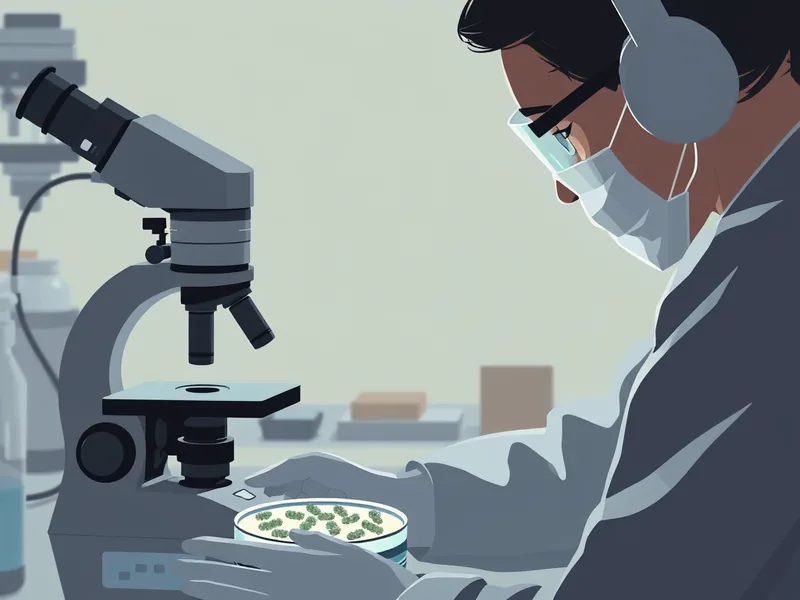
To validate the AI's predictions, researchers selected 238 of the most promising compounds and tested them against various bacteria in the lab. The results were encouraging: dozens of these compounds showed significant antibiotic activity, with some being effective against even multidrug-resistant superbugs like MRSA (Methicillin-resistant Staphylococcus aureus).
One particularly noteworthy compound, named "halicin," was discovered using a different AI system and has already shown promise in animal studies. Halicin works by disrupting the bacteria's ability to produce energy, making it effective against a wide range of pathogens.
While the potential benefits of these new antibiotics are enormous, there are also risks to consider. Overuse and misuse of antibiotics can accelerate the development of resistance, turning what could be life-saving drugs into ineffective treatments. Therefore, it is crucial that any new antibiotics discovered through AI are used judiciously and in accordance with best practices.
Additionally, the cost and accessibility of these new drugs will be important factors. Ensuring that these medications are affordable and available to people in low- and middle-income countries will be essential to maximizing their impact on global health.
The use of AI in drug discovery is still in its early stages, but the potential for innovation is vast. As researchers continue to refine these AI systems, we can expect more breakthroughs that could transform our ability to fight superbugs and other infectious diseases.
The collaboration between human ingenuity and advanced technology holds the promise of a healthier future for all. By leveraging AI, we are taking significant steps toward overcoming one of the most formidable challenges in modern medicine.
Tags
Original Sources
About the author
Amara's entry point into AI was an epidemiology role at a London research hospital, where she spent five years studying how digital health tools reached — or conspicuously failed to reach — underserved communities. Watching early algorithmic systems in healthcare quietly entrench existing inequalities, she redirected her career toward the systemic consequences of AI at scale. She covers AI through an unflinching lens: who benefits, who bears the cost, and what evidence actually says versus what the press release claims. Her writing is calm and precise, but she doesn't mistake balance for neutrality.
More from The Steward →This Week's Edition
29 April 2026
24 articles
Related Articles
A Heart Without Friction: Maglev Technology Moves Into Cardiac Care
Health & Science · 6 min
How a Stubborn Hiss of Radio Noise Helped Confirm the Big Bang
Health & Science · 5 min
AI Can Predict Chemotherapy Response in Aggressive Breast Cancer, But Not Yet Reliably Enough for the Clinic
Health & Science · 5 min
Related Articles
A Heart Without Friction: Maglev Technology Moves Into Cardiac Care
Health & Science · 6 min
How a Stubborn Hiss of Radio Noise Helped Confirm the Big Bang
Health & Science · 5 min
AI Can Predict Chemotherapy Response in Aggressive Breast Cancer, But Not Yet Reliably Enough for the Clinic
Health & Science · 5 min
More Stories
© 2026 Cedar & Bloom. All rights reserved.
