The Drum · Weekly AI news, freeSubscribe →
Share
Researchers have developed an open-source AI tool called ChatCPR that guides bystanders through life-saving CPR more effectively than human 911 dispatchers. This could revolutionize emergency response and improve patient outcomes.
When it comes to saving lives during a cardiac arrest, every second counts. Bystanders who can perform cardiopulmonary resuscitation (CPR) correctly can be the difference between life and death. However, in high-stress situations, even well-trained individuals can struggle to remember the steps. Now, researchers from UC San Diego, Johns Hopkins, and UPMC have developed an AI-powered CPR coaching tool called ChatCPR that outperforms human 911 dispatchers in guiding bystanders through this critical procedure.
The team behind ChatCPR believes their innovation could significantly improve emergency response times and patient outcomes. By providing clear, step-by-step instructions, the AI tool helps bystanders stay calm and perform CPR effectively, even if they have no prior training. This is particularly important because immediate CPR can double or triple a person's chances of survival.
ChatCPR uses advanced natural language processing (NLP) to understand and respond to the unique challenges faced by bystanders during a cardiac arrest. The tool listens to the caller’s voice, analyzes their situation, and provides real-time feedback on how to perform CPR correctly. Unlike traditional 911 dispatchers, who may struggle to provide consistent and accurate guidance in high-stress environments, ChatCPR can adapt its instructions based on the specific needs of each caller.
The researchers tested ChatCPR against human 911 dispatchers using a simulated cardiac arrest scenario. The results were striking: ChatCPR not only provided more accurate and timely instructions but also helped bystanders perform CPR with greater confidence and precision. This could mean the difference between life and death for many patients.
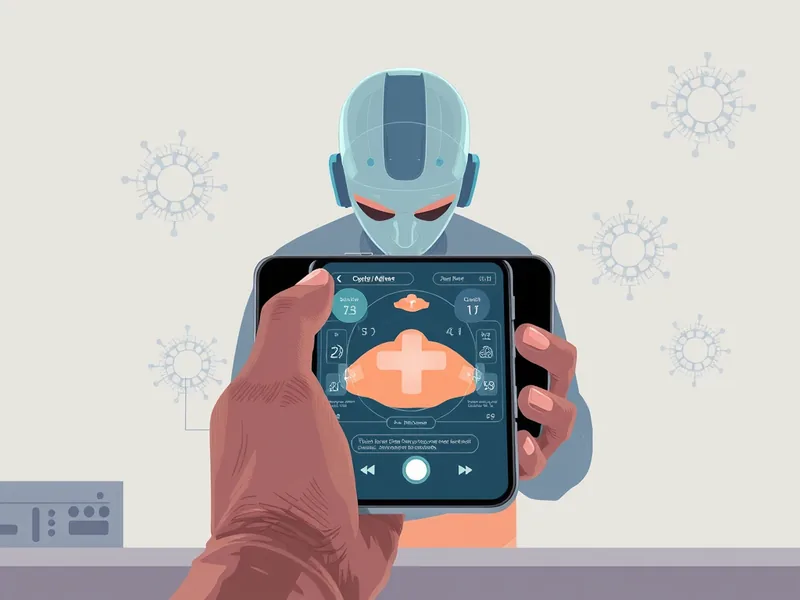
The tool is designed to be accessible and user-friendly. It can be integrated into existing 911 systems or used as a standalone app on smartphones, making it widely available to anyone who might need it. The researchers have released ChatCPR as an open-source resource, inviting companies and emergency-response organizations to adopt and adapt the technology.
The potential impact of ChatCPR is significant. By improving the quality of CPR provided by bystanders, this AI tool could save more lives in critical moments. However, there are also important considerations to address before widespread adoption. For example, ensuring that the tool works reliably across different languages and dialects will be crucial for its global deployment.
While ChatCPR has shown promising results in simulated environments, real-world testing is essential to validate its effectiveness. The researchers are already working with emergency response organizations to conduct pilot programs and gather data on how well the tool performs in actual emergencies.
The future of emergency care may well be shaped by innovations like ChatCPR. As AI continues to advance, we can expect more tools that enhance our ability to respond quickly and effectively in life-threatening situations. For now, the development of ChatCPR represents a significant step forward in improving public health and saving lives.
Tags
Original Sources
emergency care Coverage - MedCity News
↗ https://medcitynews.com/tag/emergency-care
About the author
Amara's entry point into AI was an epidemiology role at a London research hospital, where she spent five years studying how digital health tools reached — or conspicuously failed to reach — underserved communities. Watching early algorithmic systems in healthcare quietly entrench existing inequalities, she redirected her career toward the systemic consequences of AI at scale. She covers AI through an unflinching lens: who benefits, who bears the cost, and what evidence actually says versus what the press release claims. Her writing is calm and precise, but she doesn't mistake balance for neutrality.
More from The Steward →This Week's Edition
22 May 2026
29 articles
Related Articles
Related Articles
More Stories
© 2026 Cedar & Bloom. All rights reserved.