The Drum · Weekly AI news, freeSubscribe →
Share
AI is revolutionizing organ transplants by turning intricate medical data into clear, life-saving decisions, reducing risks of rejection and infection while improving patient safety and clinical accuracy.
Every year, hundreds of thousands of patients rely on organ transplants to survive. These life-saving procedures require precise coordination and up-to-date information to ensure the best possible outcomes. However, outdated or inaccurate data can have severe consequences, such as organ rejection or serious infections. This is where artificial intelligence (AI) comes in, transforming complex data into actionable insights that can save lives.
Imagine a scenario where a clinician makes a decision about medication dosages based on incorrect transplant data. The stakes are high: an error could lead to organ rejection or other life-threatening complications. AI has the potential to mitigate these risks by providing faster and more accurate results at every step of the transplantation process.
AI can significantly improve the efficiency and accuracy of organ transplantation by streamlining data analysis and decision-making. For example, AI models can help healthcare teams identify risk signals earlier, interpret immune and molecular data more quickly, and make better-informed decisions about patient care. In clinical settings, this technology supports clinicians in determining accurate dosing of immunosuppressants, setting appropriate timelines for follow-up testing, and flagging abnormal results.
One key application is the early detection of organ rejection. Studies from the National Library of Medicine have shown that AI and machine learning (ML)-based kidney allocation models are more accurate in predicting graft survival and waitlist mortality compared to traditional risk scores. This increased accuracy leads to more efficient use of donated kidneys, ultimately improving patient outcomes.
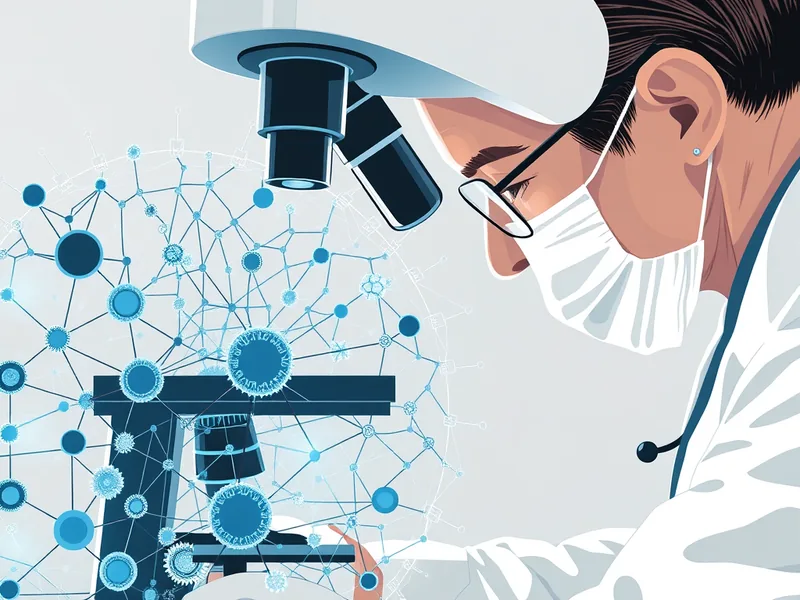
However, integrating AI into transplant diagnostics is a complex process. The stakes are higher in this field due to the critical nature of organ transplants and less standardized workflows. There are also strict regulatory requirements that must be met, such as those outlined by the Clinical Laboratory Improvement Amendments (CLIA). These regulations ensure that AI systems are properly validated and managed before they can be used in clinical settings.
While the benefits of AI in transplant diagnostics are clear, its adoption must be methodical to ensure patient safety. Every model, workflow, step, and output must be rigorously validated, documented, and safely implemented by lab managers and clinicians. This careful approach is essential given the high stakes involved.
Despite these challenges, the potential for AI to revolutionize transplant medicine is immense. By turning complex data into clinical clarity, AI can help healthcare providers make more informed decisions, improve patient outcomes, and ultimately save lives. As research continues and regulatory frameworks evolve, we can expect to see more widespread adoption of AI in this critical area of healthcare.
The journey toward fully integrating AI into transplant diagnostics may be slow, but it is a necessary step forward in the pursuit of better health outcomes for all patients.
Tags
Original Sources
AI in Transplant Diagnostics: Turning Complexity into Clinical Clarity - MedCity News
↗ https://medcitynews.com/2026/05/ai-in-transplant-diagnostics-turning-complexity-into-clinical-clarity
About the author
Amara's entry point into AI was an epidemiology role at a London research hospital, where she spent five years studying how digital health tools reached — or conspicuously failed to reach — underserved communities. Watching early algorithmic systems in healthcare quietly entrench existing inequalities, she redirected her career toward the systemic consequences of AI at scale. She covers AI through an unflinching lens: who benefits, who bears the cost, and what evidence actually says versus what the press release claims. Her writing is calm and precise, but she doesn't mistake balance for neutrality.
More from The Steward →This Week's Edition
14 May 2026
29 articles
Related Articles
Related Articles
More Stories
© 2026 Cedar & Bloom. All rights reserved.