The Drum · Weekly AI news, freeSubscribe →

Share
AI listening devices are revolutionizing wildlife protection by detecting poachers before they strike, offering a high-tech shield for endangered species in remote ecosystems.
In the ongoing battle against wildlife poaching, conservationists are turning to cutting-edge technology for a powerful new ally. State-of-the-art artificial intelligence (AI) listening devices are being deployed in vulnerable ecosystems to monitor and protect endangered species from illegal hunting. This innovative approach not only promises to enhance the effectiveness of anti-poaching efforts but also underscores the critical role that technology can play in preserving biodiversity.
Poaching remains one of the most significant threats to wildlife conservation globally. Each year, countless animals are killed for their tusks, horns, and other body parts, driven by demand from illegal markets. The consequences extend far beyond individual species; poaching disrupts ecosystems, threatens local communities, and undermines efforts to maintain ecological balance. By deploying AI listening technology, conservationists aim to detect and deter poachers more effectively, thereby safeguarding both wildlife and the environments they inhabit.
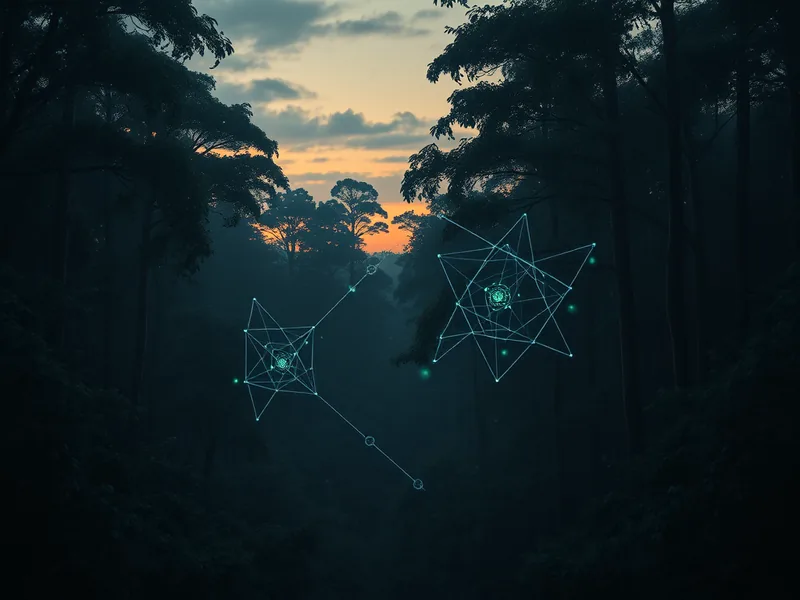
The AI listening devices are designed to capture and analyze sounds in real-time. These devices can distinguish between natural noises, such as bird calls and rustling leaves, and human activities that could indicate the presence of poachers. When a suspicious sound is detected, the system sends an alert to conservation teams, who can then respond quickly to investigate and intervene.
Think of it like having a highly sensitive set of ears spread across a vast area. Just as a forest ranger might listen for the distant sound of a gun or a vehicle, these AI devices can do the same but on a much larger scale and with greater precision. This technology allows conservationists to cover more ground with fewer resources, making it an invaluable tool in their arsenal.
The benefits of using AI listening technology are significant:
However, there are also potential risks and challenges:
The long-term implications of using AI listening technology in conservation efforts are promising. By reducing poaching, we can help stabilize endangered populations and preserve biodiversity. This, in turn, supports ecosystem health and resilience, which is crucial for maintaining the services that nature provides to human communities, such as clean air and water.
Moreover, successful implementation of this technology could serve as a model for other conservation challenges. For example, similar AI systems could be used to monitor illegal logging or detect early signs of forest fires. The potential applications are vast, and the benefits extend far beyond wildlife protection.
The deployment of AI listening technology represents a significant step forward in the fight against poaching. By combining human expertise with advanced technology, conservationists can better protect endangered species and their habitats. As we continue to develop and refine these tools, it is essential to balance innovation with ethical considerations and ensure that our efforts are sustainable and effective.
Tags
Original Sources
About the author
Amara's entry point into AI was an epidemiology role at a London research hospital, where she spent five years studying how digital health tools reached — or conspicuously failed to reach — underserved communities. Watching early algorithmic systems in healthcare quietly entrench existing inequalities, she redirected her career toward the systemic consequences of AI at scale. She covers AI through an unflinching lens: who benefits, who bears the cost, and what evidence actually says versus what the press release claims. Her writing is calm and precise, but she doesn't mistake balance for neutrality.
More from The Steward →This Week's Edition
29 April 2026
29 articles
Related Articles

Nuclear Plants Are Squeezing Out More Power, But It Won't Be Enough to Meet AI's Demand
Environment & Climate · 5 min

The Hidden Environmental Price Tag of Artificial Intelligence
Environment & Climate · 5 min

Iambic Therapeutics Raises $150 Million in IPO to Fund AI-Designed Cancer Drugs
Finance & Markets · 5 min
Related Articles
Nuclear Plants Are Squeezing Out More Power, But It Won't Be Enough to Meet AI's Demand
Environment & Climate · 5 min
The Hidden Environmental Price Tag of Artificial Intelligence
Environment & Climate · 5 min
Iambic Therapeutics Raises $150 Million in IPO to Fund AI-Designed Cancer Drugs
Finance & Markets · 5 min
More Stories
© 2026 Cedar & Bloom. All rights reserved.
