The Drum · Weekly AI news, freeSubscribe →
Share
The new AI model slashes detection time for missed brain tumors to mere seconds, offering surgeons crucial precision and potentially revolutionizing outcomes in complex neurosurgery.
In the high-stakes world of brain surgery, every second counts. A new artificial intelligence (AI) model is making a significant difference by detecting cancerous brain tumors that are often missed during surgery. This groundbreaking technology can identify these critical areas in just 10 seconds, potentially saving lives and improving patient outcomes.
Brain tumors are among the most challenging cancers to treat. Even with advanced surgical techniques, it's not uncommon for small, cancerous areas to be overlooked, leading to a higher risk of recurrence. For patients and their families, this can mean additional surgeries, more radiation therapy, and prolonged uncertainty about their health.
The new AI model, developed by researchers at the University of California, San Francisco (UCSF), aims to change that. By quickly and accurately identifying these missed tumors, surgeons can make more informed decisions during procedures, reducing the likelihood of leaving cancerous cells behind.
Imagine a surgeon performing a delicate brain surgery, meticulously removing what they believe to be all the cancerous tissue. However, some microscopic areas might still harbor malignant cells, invisible to the naked eye and even under a microscope. This is where the AI model steps in.
The AI uses a technique called "deep learning," which involves training the model on vast amounts of data from previous surgeries. By analyzing patterns and features that are often missed by human eyes, the AI can highlight areas that need further attention. The process is swift-taking just 10 seconds to provide a detailed analysis-and it integrates seamlessly into the surgical workflow.
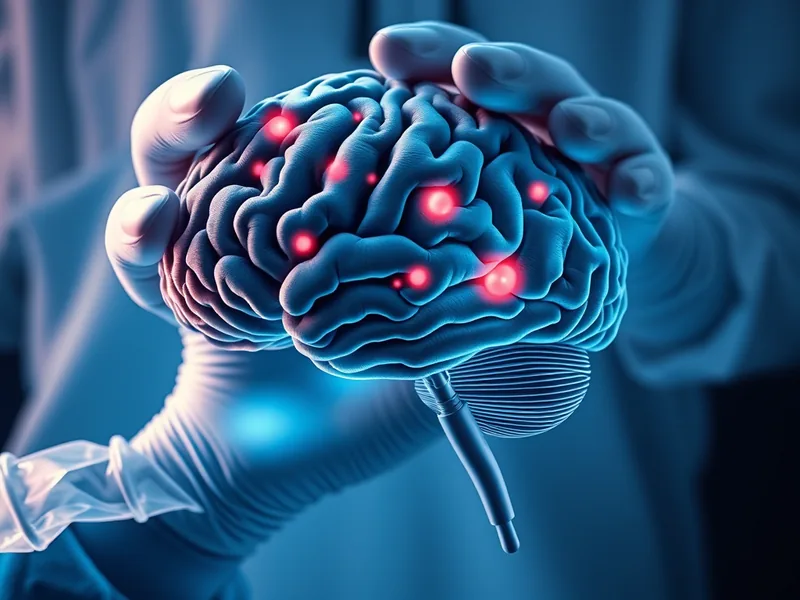
The benefits of this technology are clear. It enhances surgical accuracy, reduces the likelihood of cancer recurrence, and ultimately improves patient outcomes. For patients, this means fewer additional treatments and a better quality of life post-surgery.
However, like any new medical technology, there are risks to consider. The AI model must be rigorously tested to ensure it is reliable and consistent. There's also the potential for false positives-areas flagged by the AI that turn out not to be cancerous. These could lead to unnecessary additional procedures or anxiety for patients.
The long-term impact of this technology could be profound. As more hospitals adopt these AI tools, we may see a significant reduction in post-surgical cancer recurrence rates. This could translate into fewer repeat surgeries and improved survival rates for brain tumor patients.
Moreover, the success of this AI model could pave the way for similar technologies in other areas of medicine. If AI can help detect missed tumors in brain surgery, it might also be useful in identifying early signs of other cancers or conditions that are difficult to diagnose.
While the potential benefits are exciting, it's important to approach this technology with caution and responsibility. Ongoing research and clinical trials will be crucial to ensure that the AI model is as effective and reliable as possible. Patient safety must always remain the top priority.
For now, the development of this AI model represents a significant step forward in the fight against brain tumors. It's a testament to how technology, when used ethically and effectively, can make a real difference in people's lives.
Tags
Original Sources
About the author
Amara's entry point into AI was an epidemiology role at a London research hospital, where she spent five years studying how digital health tools reached — or conspicuously failed to reach — underserved communities. Watching early algorithmic systems in healthcare quietly entrench existing inequalities, she redirected her career toward the systemic consequences of AI at scale. She covers AI through an unflinching lens: who benefits, who bears the cost, and what evidence actually says versus what the press release claims. Her writing is calm and precise, but she doesn't mistake balance for neutrality.
More from The Steward →This Week's Edition
29 April 2026
29 articles
Related Articles
Related Articles
More Stories
© 2026 Cedar & Bloom. All rights reserved.